


I put this together because pregnancy comes with a lot of aches and questions. When you feel a twinge, you want a clear answer, not guesswork. This piece tackles a common worry: is that pain or cramp normal during pregnancy? And what you should do next.
If you’re pregnant for the first time, or you already have kids, cramps can scare you. If you care for someone who is pregnant, this will help you know what to look for and when to act. You deserve straight answers you can use in the moment.
In this guide you’ll learn what cramps are common and what feels normal. Cramps can come from growing ligaments, from a stretching uterus, or from Braxton Hicks contractions. There are red flags to watch for that mean you should seek care. Watch for red flags and act quickly.
Here are practical steps you can take today. Stay hydrated and eat balanced meals. Rest on your left side to ease pressure. If a cramp starts, try walking or shifting positions. A warm compress on the belly can help relax tight muscles, but avoid very hot heat.
People ask if this is round ligament pain or early labor. Braxton Hicks can feel like a tightening that comes and goes. Cramping after meals or at night has different clues. The answers are simple: listen to the timing, intensity, and location, and note any fever, bleeding, or severe pain.
Next steps are clear. Keep a simple log of when pain starts, how long it lasts, and what makes it better. Share the notes with your prenatal care team so they can guide you. If red flags appear, call your clinic or go to urgent care right away. You are not alone, and solid guidance can ease your worry.
What Causes Cramps During Early Pregnancy?

If you notice cramps in early pregnancy, you’re not alone. These sensations can be common as your body changes. Here is a clear look at what may cause them and what to do.
– Implantation cramps: When the fertilized egg sticks to the lining of your uterus, you might feel light, brief twinges near your lower belly. These are often short and mild.
– Uterine growth: Your uterus grows to fit your growing baby. This stretching can bring a dull, pulling feeling that lasts a moment or two.
– Hormonal changes: Rising pregnancy hormones can trigger mild cramps along with other signs like fatigue or breast tenderness.
– Digestive shifts: Hormones slow digestion, which can lead to gas or bloating. That pressure can show up as cramps in the abdomen.
– Internal adjustments: Early on, your body starts rearranging its muscles and ligaments. A few quick pulls or squeezes can feel like cramping.
Here is why these cramps happen: your body is making room for pregnancy. If cramps stay mild and don’t come with bleeding, they’re usually not a sign of trouble. But next steps matter.
When to seek care: If cramps become severe, or you have heavy bleeding, fever, or dizziness, call your doctor or midwife right away.
What you can do now:
– Rest, drink water, and stay as comfortable as you can.
– Use a warm, not hot, pad on your lower belly or back for 10–15 minutes.
– Keep moving gently if you feel up to it, like a short walk.
Trust your instincts. If something feels off, reach out to your healthcare team for guidance.
Cramps during early pregnancy are often just your body’s way of adjusting. From light twinges to dull pulls, these sensations are common and usually nothing to worry about. Embrace the changes, you’re not alone on this journey!
What Causes Cramps During Early Pregnancy?
Editor’s Choice

Heating Pad,Electric Heating Pads for Back,Neck,Abdomen,Moist Heating Pa…
 Amazon$16.99
Momcozy Pregnancy Pillows for Sleeping, U Shaped Full Body Maternity Pil…
Amazon$44.99Understanding Cramps in the Second Trimester

Understanding cramps in the second trimester
When you enter the second trimester, cramps can feel different. Here is why they pop up and what you can do.
– Round ligament pain: As the uterus grows, its supporting ligaments stretch. This can cause sharp twinges on the sides of your abdomen, especially with quick moves or a sudden twist.
– Constipation and gas: Digestive changes slow things down. You may feel pressure and bloating. Hydration and fiber help a lot.
– Increased activity: Energy returns, and you may move more. Muscles can strain as you pick up pace again.
These cramps are usually not dangerous, but keep track of how strong they are and how often they occur. If the pain gets very sharp or lasts a while, reach out to your health care provider for guidance.
What to watch for
– Mild, occasional cramps with no fever or bleeding are often normal.
– Pain that is constant, comes with heavy bleeding, or a gush of fluid needs quick care.
Next steps
– Track your cramps: note time, location, and intensity. Write down what you were doing and what helped.
– Stay comfy: drink water, eat fiber-rich foods like fruits, vegetables, and whole grains.
– Move gently: short walks, slow stretches, and careful repositioning in bed.
– Ease with warmth and support: a warm bath or a warm compress on your back. Use a pregnancy pillow to support your belly.
– When to call your provider: if you have severe pain, fever, bleeding, or fluid leakage, or if you have pregnancy risk factors.
By paying attention and acting now, you can manage cramps with confidence and keep your pregnancy comfortable and safe.
Understanding Cramps in the Second Trimester
Editor’s Choice

Momcozy Pregnancy Pillows for Sleeping, U Shaped Full Body Maternity Pil…
Amazon$44.99
Heating Pad,Electric Heating Pads for Back,Neck,Abdomen,Moist Heating Pa…
Amazon$16.99
Pink Stork Prenatal Fiber Gummies for Women – 3g Prebiotic Inulin from C…
Amazon$32.99Cramps in the Third Trimester: What’s Happening?

If you are in the last part of pregnancy, cramps can feel new and confusing. You want to know what is normal and what isn’t. Here is a simple guide to what you may notice and what it means.
– Braxton Hicks contractions: These are practice contractions. They tighten the belly for a few seconds and then go away. They come and go and do not follow a steady rhythm.
– Pelvic pressure: As the baby drops lower in the pelvis, you may feel more pressure and a mild cramping sensation.
– Back pain: A bigger belly can change how you stand and move. That can make your lower back ache in a way that feels like cramps.
Here is why understanding the signs helps. It helps you tell when to call your provider and when to rest.
– Braxton Hicks are irregular and do not form a steady pattern.
– Real contractions grow stronger, longer, and come in a regular rhythm.
– Also watch for other signs like fluid leakage or vaginal bleeding.
Next steps. What you can do now matters.
– Keep a simple pattern log to notice changes over time.
– Rest on your left side and drink water. Gentle movement can help.
– If contractions become regular every 5 to 10 minutes for about an hour, contact your health team.
– Seek care right away if you have vaginal bleeding, fluid leakage, fever, or severe pain.
Practical tips to try today: a warm bath (if you don’t have a fever), a light stretch, or a short walk. Stay hydrated and listen to your body. If you feel unsure, call your care provider for reassurance.
Cramps in the third trimester? You’re not alone! Remember, Braxton Hicks contractions are just your body’s way of preparing for the big day. Stay informed and embrace these changes!
Cramps in the Third Trimester: What’s Happening?
Editor’s Choice

ChongErfei Maternity Belt, Pregnancy 3 in 1 Support Belt for Back/Pelvic…
Amazon$15.99
Upgraded Heating Pad for Back Pain Relief, Comfytemp Birthday Gifts for …
Amazon$29.98When to Worry About Cramps: Signs That Require Attention
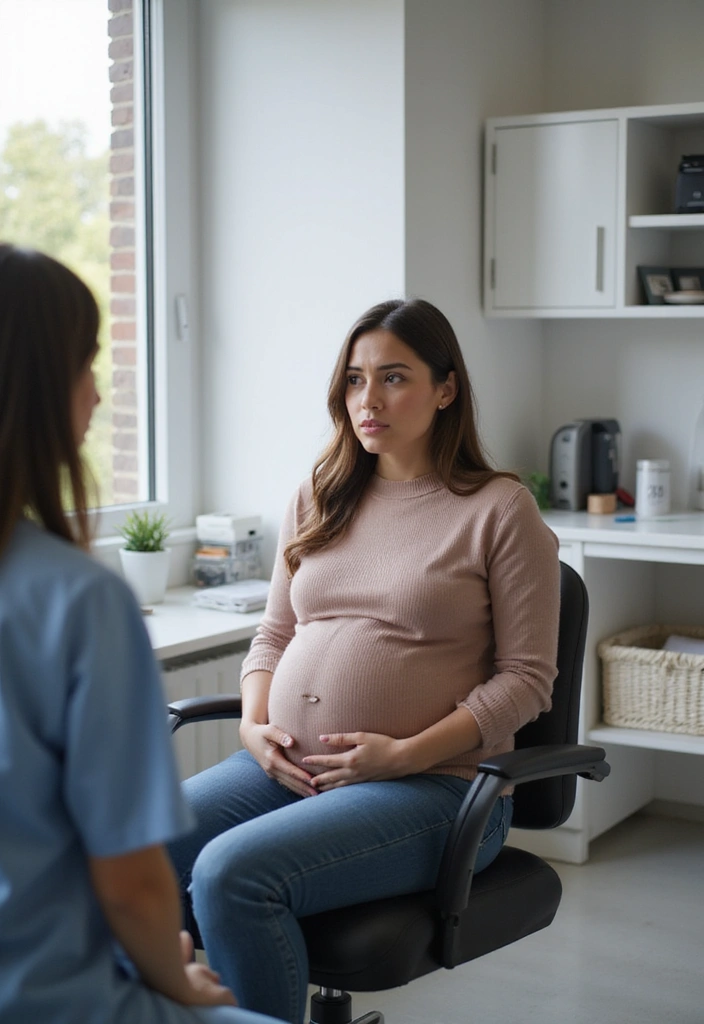
You’re trying to stay safe and calm during pregnancy. You want clear signs that tell you when to seek care. This simple guide helps you decide what to do next.
– Severe or persistent pain: If the cramps are so strong they stop you from getting through your day, contact your doctor or go to urgent care.
– Bleeding with cramps: Any blood with cramps needs quick attention.
– Fever or chills: A fever with cramps could mean an infection. Check your temperature and call your provider if it rises.
– Sudden changes in pain: A sharp rise in cramps, especially as you near full term, should be discussed with your care team.
Trust your gut. If something feels off, don’t wait to speak up.
Next steps you can take now:
– Keep a simple log. Write down when cramps start, how long they last, and rate the pain on a 1 to 10 scale.
– Hydrate and rest. Sip water, rest on your left side, and give your body a moment to reset.
– Move gently. A short, slow walk or light stretching may help if it feels right.
– Reach out to your care team. Call your midwife or OB and describe what you feel. If you have heavy bleeding, severe pain, or contractions every few minutes, seek urgent care or go to the ER.
Your health and your baby’s health come first.
When to Worry About Cramps: Signs That Require …
Editor’s Choice
ChongErfei Maternity Belt, Pregnancy 3 in 1 Support Belt for Back/Pelvic…
Amazon$15.99
Pregnancy Journal for First Time Moms Gifts – 90 Pages Hardcover Pregnan…
Amazon$18.96You might also like

10 Essential Pregnancy Precautions Every Mom-to-Be Must Know in Her First Trimester! – Mom Blush

The Truth About 3rd Month Miscarriage Concerns: What Every Mom Should Know! – Mom Blush
Expert Tips for Managing Cramps During Pregnancy

Feeling cramps? You’re not alone. These steps can ease discomfort safely today.
– Hydration helps cramps. Keep water handy and sip often. Aim for about 8 to 10 cups a day, unless your doctor suggests more or less. If you exercise, drink before, during, and after. Hydration can calm muscle spasms and support your body.
– Gentle Movement helps relief. Short walks, light leg stretches, or prenatal yoga loosen tight muscles. Move slowly if pain returns. Check with your clinician before starting new exercises.
– Warm Compress comforts the belly. A warm bottle or pad on the lower abdomen for 10 to 15 minutes can ease tension. Test heat on your forearm to avoid burns. Remove if you feel numbness or swelling.
– Rest and Relaxation make a difference. Rest helps. Pause when you need. Try breathing, a warm bath, or quiet music. Rest on your left side for better blood flow.
What to watch for: cramps that are severe, come with heavy bleeding, or make you feel faint. Call your care team right away. Every pregnancy is different, so track what helps you and share it at your next visit.
Use what fits your body and talk to your doctor.
Cramps during pregnancy can be a common discomfort, but don’t forget—staying hydrated and gentle movement can make a world of difference. Your body is working hard; give it the care it deserves!
Expert Tips for Managing Cramps During Pregnancy
Editor’s Choice

samply Hot Water Bottle with Knitted Cover, 2L Hot Water Bag for Hot and…
Amazon$9.99
Sahara Sailor Water Bottle, 32/25/17oz Durable and Leakproof Water Bottl…
Amazon$9.99Natural Remedies for Cramping Relief

Here is how you can ease cramps safely during pregnancy. You want relief that fits your body and your baby.
Natural remedies you can try
Here is why these options work: they use gentle touch, warmth, and simple routines you can do at home.
– Essential oils: Lavender and chamomile can help you relax. Use them in a diffuser for a soft scent and mood lift. If you want a massage, mix a few drops into a carrier oil first. Always dilute before touching skin. Keep oils away from your belly and store them safely. If you have any worry, ask your healthcare provider before using them in pregnancy.
– Herbal teas: Ginger tea can settle the stomach and warm you up. Peppermint tea feels calming for many, but start with a small cup. Sip slowly and count your servings. Avoid caffeine or any tea your doctor warns against.
– Epsom salt baths: A warm bath with Epsom salt can ease tight muscles. Soak for about 10 to 15 minutes in a calm, dim room. Test the water first to avoid burns. Do not soak if your water has broken or you have an infection risk; ask your doctor first.
– Acupuncture and massage: A prenatal massage therapist or licensed acupuncturist can help with cramps when done safely. Tell them you are pregnant and share any concerns. Stop if you feel pain, dizziness, or discomfort. Choose providers who regularly work with pregnant clients.
Next steps: Always check with your health team before trying new remedies. If cramps worsen or do not improve, contact your provider right away.
Natural Remedies for Cramping Relief
Editor’s Choice

SALKING Essential Oil Diffuser, 100ml Small Aromatherapy Diffuser with A…
Amazon$11.54
Twinings Herbal Tea Variety Pack – 26 Individually Wrapped Herbal Tea Ba…
Amazon$12.95
Amazon Basics Epsom Salt Soak, Unscented, Magnesium Sulfate USP, Muscle …
Amazon$3.54The Importance of Regular Check-Ups
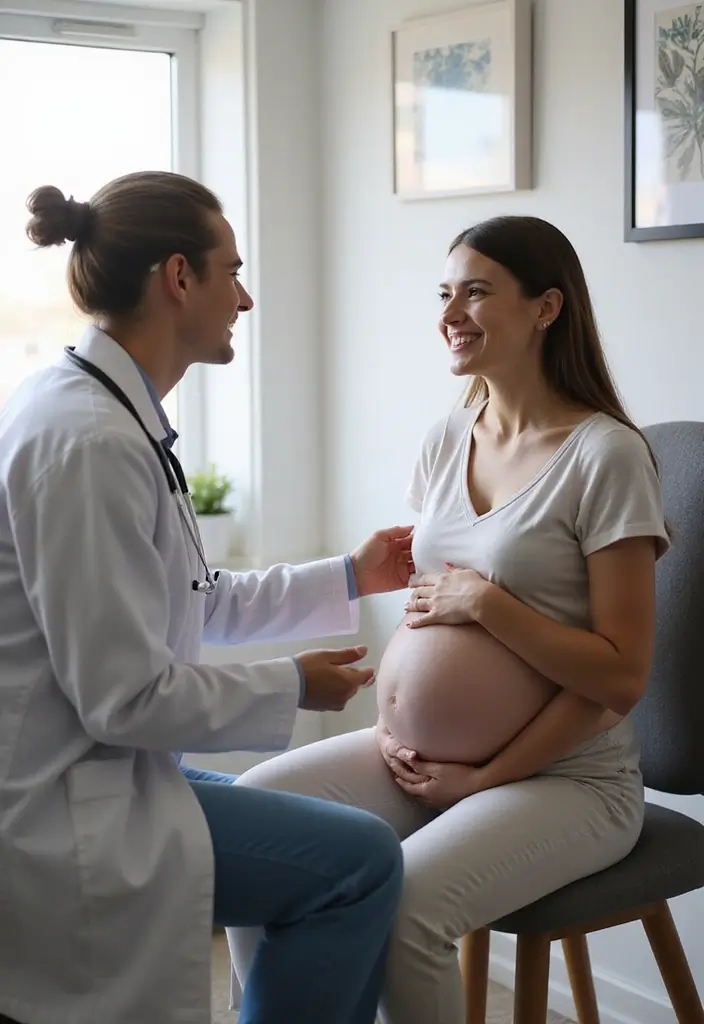
If cramps scare you, regular prenatal check-ups give clarity. They track you and your baby as you grow.
Here is why:
– Symptom check-ins: Talk openly about cramps. Note when they start, how long they last, and if you have bleeding or fever. This helps your clinician choose the right care quickly.
– Screening for problems: Visits look for signs of preterm labor, dehydration, infections, or placenta issues. Early cues show up in exams and tests.
– Support system: A steady care team gives you practical advice, reliable contact info, and a plan for both normal days and urgent moments.
To get the most from each appointment, keep a cramps log with time, duration, and what you were doing. Bring a list of questions and your concerns. Learn red-flag signs that need urgent care, like severe pain, heavy bleeding, or fever. Ask how often you should come in, what tests to expect, and how to stay comfortable between visits. Regular check-ups empower you to care for yourself and your baby.
These visits fit into your daily life. You can plan ahead to reduce stress. If you feel unsure, call your clinic after hours. Staying informed helps you know when to rest and when to seek care. You deserve clear care.
Regular check-ups during pregnancy can turn fear into understanding. Discussing cramps openly with your clinician is key to ensuring a healthy journey for both you and your baby!
The Importance of Regular Check-Ups
Editor’s Choice
Expecting and Organized New Baby Planner – Pregnancy Organizer and Check…
Amazon$69.99You Might Also Like

Your Comprehensive Guide to Fetal Growth Restriction Prevention: Start Planning Now! – Mom Blush

When to Seek Help for Infertility: 10 Life-Changing Signs You Can’t Ignore! – Mom Blush
The Positive Side of Cramps: Embracing Your Journey

Cramps during pregnancy can be tough, but they often come with a chance to tune in to your body. You can turn this into a calm, helpful routine.
– Mindfulness moments: spend 5 minutes with your breathing. Notice where the pain sits and how your body moves. A simple body scan helps you stay present and feel connected to your baby.
– Keep a simple symptom journal: jot the day, where cramps are, and how strong they feel. Note when they start, what you ate, and how you rested. This quick log helps you spot patterns and talk clearly with your doctor or midwife.
– Reach out to other moms: share tips with a friend, class, or online group. Hearing real stories can lessen worry and give you new ideas for comfort, like gentle stretches or warm baths.
– If cramps turn sharp, call your doctor.
– Breathing breaks: try calm breathing during small breaks at work or at home.
– Gentle stretches: pair that with a warm, gentle stretch to ease tightness.
Embracing the ups and downs of pregnancy builds a steady routine. Small habits like calm breathing, simple notes, and friendly chat add up. You gain confidence, stay grounded, and keep your focus on the journey ahead.
The Positive Side of Cramps: Embracing Your Jou…
Editor’s Choice
Momcozy Pregnancy Pillows for Sleeping, U Shaped Full Body Maternity Pil…
Amazon$44.99
The Anatomy of Stretching, Second Edition: Your Illustrated Guide to Fle…
Amazon$18.60Conclusion: You’re Not Alone on This Journey

Experiencing cramps during pregnancy is common, and it’s important to know that you’re not alone. With the right knowledge and support, you can navigate these changes confidently.
Listen to your body, prioritize your health, and always seek professional advice when needed. Embrace this journey with all its ups and downs.
You’re bringing a new life into the world, and that’s something to celebrate!
Note: We aim to provide accurate product links, but some may occasionally expire or become unavailable. If this happens, please search directly on Amazon for the product or a suitable alternative.
This post contains Amazon affiliate links, meaning I may earn a small commission if you purchase through my links, at no extra cost to you.
Frequently Asked Questions
What Causes Cramps During Early Pregnancy?
Cramps during early pregnancy can be quite common and are often attributed to processes such as implantation cramps as the fertilized egg attaches to the uterus. Other factors like hormonal changes and the stretching of the uterus can also contribute to these sensations.
If you experience mild, occasional cramps, it is usually nothing to worry about. However, keep an eye on the intensity and frequency, and consult your healthcare provider if you have concerns.
How Can I Differentiate Between Normal Cramps and Warning Signs?
It’s essential to listen to your body. Normal cramps during pregnancy might feel like light twinges or pulling sensations, especially during the early and later stages. However, you should be cautious if you experience severe or persistent pain, bleeding, or any other unusual symptoms.
If you’re ever in doubt, contact your doctor for expert advice. They can help you determine what’s normal and what may require attention.
What Are Some Effective Ways to Manage Cramps During Pregnancy?
Managing cramps during pregnancy can be done with some simple practices. Staying hydrated is crucial—aim for about 8 to 10 cups of water daily. Gentle stretching, warm baths, and using heat pads can also provide relief. Additionally, engaging in mindfulness moments can help ease discomfort and stress.
Always remember to consult your healthcare provider before trying new remedies to ensure they are safe for you and your baby.
When Should I Seek Medical Attention for Cramps During Pregnancy?
You should seek medical attention if you experience severe cramps that don’t subside, accompanied by heavy bleeding, or if you have any other concerning symptoms like high fever or dizziness. It’s always better to err on the side of caution and consult your doctor if you’re unsure about your symptoms.
Your healthcare provider can offer reassurance and advice tailored to your specific situation.
Are There Any Natural Remedies to Relieve Cramps During Pregnancy?
Absolutely! There are several natural remedies you can try to relieve cramps safely. Options like ginger tea and chamomile tea can soothe muscle tension. Gentle prenatal yoga or stretching can also be beneficial.
Incorporating a balanced diet rich in magnesium and potassium, found in foods like bananas and spinach, can help prevent cramps. Always check with your healthcare provider before starting any new remedies to ensure they are safe during your pregnancy.
Related Topics
cramps during pregnancy
early pregnancy discomfort
second trimester cramps
third trimester pain
when to worry
expert advice
natural remedies
pregnancy care tips
hydration during pregnancy
prenatal check-ups
managing pregnancy symptoms
calming techniques




Thanks for sharing this! I remember when I was pregnant, I thought every little pain meant something was wrong. How do you tell what’s normal and what’s not?