


I put this together because new moms deserve clear, practical info about postpartum hypertension. After birth, this topic can feel overwhelming. You want to know what to watch for and how to stay safe. This post lays out real-life steps you can take in the days and weeks after delivery.
If you’re a new mom, a partner, or someone who helps care for the baby, this is for you. If you care about recovery, safety, and peace of mind, you’ll find guidance here. You’ll get simple facts you can act on right away.
Here are six things you should know about postpartum hypertension and what they mean for you. I’ll explain what it is, why it can pop up after birth, and how to tell if it needs medical care. You’ll learn about common signs, how doctors monitor it, and the kind of help you might receive.
Knowing these points helps you feel in control. You’ll spot warning signs like a persistent headache, vision changes, or swelling that won’t go down. It also covers who is most at risk, and why some women develop high blood pressure after delivery. The post also walks you through what to expect at doctor visits and how care plans may look.
Along with facts, you get practical steps you can use today. Keep a simple log of your blood pressure if your clinician asks you to. Hydrate, rest when you can, and choose foods that support steady pressure. If you are breastfeeding, you may wonder how meds fit in; the post touches on that and when to pause and call your doctor.
Let’s be honest about limits. This isn’t a replacement for medical care, and you should reach out if anything feels off. If you have symptoms that worry you, pick up the phone and contact your clinician now. Here is why this guide matters: it gives you a clear map for the first weeks after birth. Next steps: keep reading to learn the six points, with tips you can apply today.
1. What is Postpartum Hypertension?

You just had a baby. After delivery, your blood pressure can rise. This condition is called postpartum hypertension. It may show up in the first days or weeks after birth. Early care helps you heal.
Here is why you should pay attention. High blood pressure after birth can bring risks if you ignore it. You may not feel every problem right away, so watch the trend.
– Signs to watch: severe headache
– Signs to watch: blurred vision
– Signs to watch: chest pain
– Signs to watch: shortness of breath
If you notice any of these, call your doctor or go to the emergency room now.
Next steps for staying safe. Check your blood pressure as your clinician advised. Write down the numbers with date and time. Take readings at the same time each day.
– Use a cuff that fits your arm
– Sit with your back supported and feet uncrossed
– Record systolic and diastolic readings
What to do after you go home. Rest when you can. Drink water. Eat regular meals. Follow your care plan and take medicines if told to. Avoid heavy lifting until you hear it is safe.
Keep your plan simple. If symptoms flare, seek care fast. If not, share your log at your next checkup.
Next steps: stay alert, ask questions, and reach out when you need help.
Postpartum hypertension can sneak up on you after delivery, but recognizing the signs—like severe headaches or blurred vision—can make all the difference. Stay alert, because your health matters just as much as your little one’s!
1. What is Postpartum Hypertension?
Editor’s Choice

iHealth Track Smart Upper Arm Blood Pressure Monitor with Wide Range Cuf…
 Amazon$27.98
BookFactory Personal My Medical Journal History Logbook Daily Medication…
AmazonCheck Price2. Recognizing the Symptoms
Symptoms to watch for
– Severe, persistent headache that won’t fade
– Confusion or trouble thinking clearly
– Nausea with or without vomiting
– Dizziness or blurred vision
– Sudden swelling in hands, feet, or face
– Feeling unusually tired or weak
Here is how you stay on top of it:
Keep a simple daily health log. Write down how you feel, how you slept, meals, and any blood pressure readings. Note the date and time. The notes help your health team see patterns fast.
When to seek care:
If any warning signs appear, call your clinician right away. If symptoms are severe or you have chest pain, trouble breathing, or vision changes, go to urgent care or call emergency services now.
Next steps:
– Work with your provider to make a safe plan for monitoring blood pressure in the first weeks after birth
– Learn how to check your blood pressure at home and what numbers matter
– Build small daily habits: a short walk, good fluids, and enough rest to support heart health
Recognizing the signs of postpartum hypertension can be a game-changer. A persistent headache or sudden swelling could signal a need for care—your health and your baby’s safety depend on it!
2. Recognizing the Symptoms
Editor’s Choice
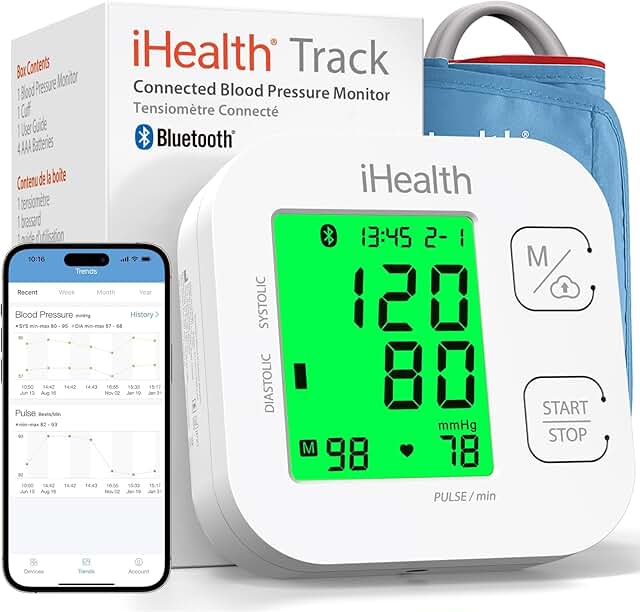
iHealth Track Smart Upper Arm Blood Pressure Monitor with Wide Range Cuf…
Amazon$27.98
Personal Medical Logbook: Health Record Keeper for Tracking Medical Hist…
Amazon$9.993. The Importance of Monitoring Your Blood Pressure
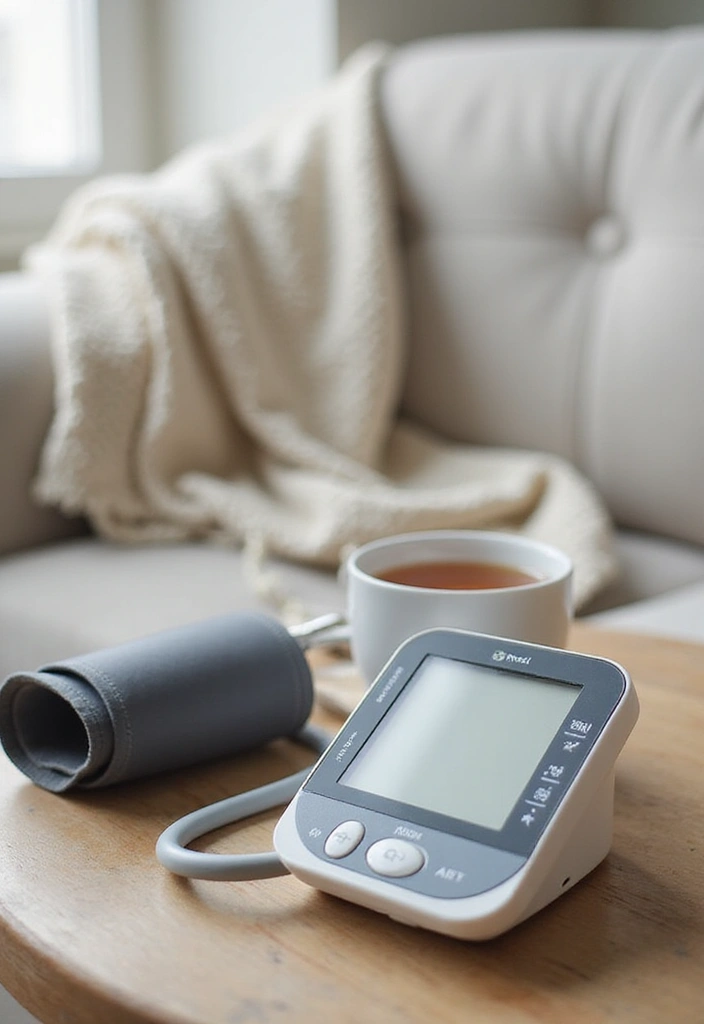
Here is why this matters. After you have your baby, postpartum blood pressure can change quickly. You may feel fine, but high numbers can sneak up. Tracking your BP helps you stay on top of recovery and keeps your care team informed.
– Get a home blood pressure monitor. Pick one with an upper arm cuff. A simple device that stores readings makes it easy to see trends.
– Make it part of your daily routine. Check your pressure once a day. Do it after you wake with a cup of coffee or while you wash your face. Quick checks fit into busy mornings.
– Keep a log of readings. Write down the date, time, and number. Jot any symptoms you notice, like headaches or dizziness. A clear log helps your doctor read the pattern.
– Know what the numbers mean. Your target range is set by your clinician. If readings stay high across several checks, contact your doctor.
– Watch for warning signs. Call your health team right away if you have severe headache, vision changes, chest pain, trouble breathing, or swelling that worsens.
– Share the data with your care team. Bring the log to visits or send it between appointments. This helps them tailor your plan.
Next steps: choose a monitor, set a daily time, and start your BP log. Your health matters as much as your baby’s.
3. The Importance of Monitoring Your Blood Pres…
Editor’s Choice
iHealth Track Smart Upper Arm Blood Pressure Monitor with Wide Range Cuf…
Amazon$27.98
Blood Pressure Log Book: Simple Daily Blood Pressure Log | Record & Moni…
Amazon$8.99
iHealth Track Smart Upper Arm Blood Pressure Monitor with Wide Range Cuf…
Amazon$27.984. Tips for Managing Postpartum Hypertension

If you just gave birth and notice higher blood pressure, you may feel overwhelmed. Postpartum hypertension is common, but you can manage it with steady steps. Here is a practical plan you can start today.
– Rest and recovery
Rest helps your body heal. Try to nap when your baby naps. Ask someone you trust to watch the baby so you can take a quiet break.
– Hydration and salt balance
Drink water often. Keep a bottle nearby. Watch added salt in meals; choose herbs to flavor instead. Fresh fruit, vegetables, and lean proteins support steady blood pressure.
– Healthy, simple meals
Eating well supports recovery. Half your plate should be vegetables. Add whole grains and lean protein. Plan easy meals to cut the worry during busy days.
– Gentle movement
Move only if your doctor says it is safe. Short walks work. Light stretching or calm chores can lower stress and keep your body active.
– Mindfulness and mood
Breathing, short meditations, or a few minutes of calm each day can quiet worry. Try postpartum yoga or slow stretches after meals.
– Lean on your support network
Talk with friends or family about how you feel. Accept help with chores or baby care. A mom group can share tips and hope.
If blood pressure stays high or you notice headaches, vision changes, or swelling, contact your care team right away.
4. Tips for Managing Postpartum Hypertension
Editor’s Choice

Pure Life Purified Water Bottles, 12 Pack – Still Bottled Water Enhanced…
Amazon$3.96
Yoga for Pelvic Floor and Postpartum Health: An Iyengar Yoga Approach to…
Amazon$13.99
Bentgo Prep – 20-Piece 1-Compartment Reusable Meal Prep Containers with …
Amazon$12.535. Communicating with Healthcare Providers

Here is how you can talk with your health team after birth. You want safety and clear care. Use these steps to guide every visit.
– Before visits. Prepare a simple health log. This log helps you track postpartum hypertension and other symptoms. If told to check blood pressure at home, write those numbers down. Keep the log in your purse or diaper bag.
– Describe the impact. Be direct about symptoms. Explain how they slow your day and routines. Note effects on feeding, sleep, and energy.
– Ask about medications. List every pill, patch, or supplement you take. Ask how each one supports recovery and breastfeeding. Check for side effects and drug interactions. Tell your clinician if a med feels off.
– Know red flags. Learn warning signs that need quick care. Chest pain, sudden heavy swelling, fainting, or trouble breathing require action. Ask for clear instructions on when to seek help.
– Use supports. See if your hospital offers groups or classes. These can share tips from other moms with postpartum hypertension. If you feel overwhelmed, call the nurse line.
– Plan ahead. Request a clear care plan with next steps and follow-up dates. Bring your log to every visit.
Open communication is key! Prepare your health log and share how postpartum hypertension impacts your daily life. Your voice is vital for safe and effective care!
5. Communicating with Healthcare Providers
Editor’s Choice

Personal Medical Journal | Log Office Visits, Track Medical Expenses, Ch…
Amazon$16.99
Medline Digital Wrist Blood Pressure Monitor, Wearable, Digital LCD Disp…
AmazonCheck Price
Amazon Basic Care (7-Day) AM/PM Pill Organizer, Vitamin Case, And Medici…
Amazon$3.566. Long-Term Health Considerations

Long-Term Health Considerations for Postpartum Hypertension
After birth, your body can calm down. Your blood pressure may settle. Yet long-term heart health still matters to you.
Here is why you should keep care up after the early weeks. Staying on top now lowers chances of future problems. You can build a simple plan that fits a busy life.
– Schedule regular checkups beyond the early postpartum weeks.
– Track your blood pressure at home and keep a small chart you review with your clinician.
– Eat a heart-friendly diet with vegetables, fruit, whole grains, and lean protein.
– Limit salt and processed foods.
– Move your body most days, about 30 minutes a day.
– Find ways to ease stress and improve sleep.
– Join a postpartum fitness class or mom group for support.
Keep it simple and let it fit your life. Small tweaks today add up to big gains over time.
Next steps
– Talk with your clinician to plan long term care.
– Set tiny goals you can hit this week and month.
– Share your plan with a friend or family member for help.
– Keep a simple log of readings, meals, and mood.
Stay curious about your health. Stay kind to yourself. Your effort today helps your life tomorrow.
6. Long-Term Health Considerations
Editor’s Choice
Medline Digital Wrist Blood Pressure Monitor, Wearable, Digital LCD Disp…
AmazonCheck Price
Bentgo Prep – 20-Piece 1-Compartment Reusable Meal Prep Containers with …
Amazon$12.53
Gaiam Print Yoga Mat, Non Slip Exercise & Fitness Mat for All Types of Y…
Amazon$14.43Conclusion

Postpartum hypertension is a significant aspect of postpartum care that requires attention and awareness. By understanding its symptoms, engaging in monitoring, and fostering open communication with healthcare providers, you can empower your recovery journey. Take these insights to heart and remember that prioritizing your health is not just vital for you, but also for your little one.
Embrace this new phase with confidence, knowing that every step you take towards better health is a step towards a brighter future for both you and your baby.
Note: We aim to provide accurate product links, but some may occasionally expire or become unavailable. If this happens, please search directly on Amazon for the product or a suitable alternative.
This post contains Amazon affiliate links, meaning I may earn a small commission if you purchase through my links, at no extra cost to you.
Frequently Asked Questions
What is Postpartum Hypertension and How Does It Affect New Moms?
Postpartum hypertension refers to high blood pressure that can occur in the days or weeks following childbirth. It’s crucial to understand that even if you feel fine, your blood pressure can rise unexpectedly.
Being aware of this condition helps ensure that you take the necessary steps to monitor your recovery and maintain your health.
What Symptoms Should I Watch For with Postpartum Hypertension?
Recognizing the symptoms of postpartum hypertension is essential for your safety. Look out for signs like severe headaches, vision changes, or swelling in your hands and face.
If you notice any of these symptoms, it’s important to contact your healthcare provider immediately to get the necessary care.
How Can I Effectively Monitor My Blood Pressure After Giving Birth?
Monitoring your blood pressure is a key part of managing postpartum hypertension. You can do this by regularly checking your blood pressure at home with a reliable monitor.
Keep a simple health log to track your readings and note any symptoms, which will help you communicate effectively with your healthcare provider.
What Practical Tips Can Help Manage Postpartum Hypertension?
Managing postpartum hypertension can feel overwhelming, but there are actionable steps you can take! Focus on maintaining a healthy diet, staying hydrated, and getting adequate rest.
Additionally, consider light physical activity, like short walks, as this can help lower your blood pressure and promote recovery.
What Long-Term Health Considerations Should I Keep in Mind After Postpartum Hypertension?
After dealing with postpartum hypertension, it’s important to think about long-term health. High blood pressure can increase your risk for heart issues later in life.
Regular follow-ups with your healthcare provider and adopting a heart-healthy lifestyle can significantly benefit your overall well-being and help reduce future risks.
Related Topics
postpartum hypertension
blood pressure management
new mom health
postpartum care
symptoms awareness
health monitoring
recovery tips
communication with providers
long-term health
maternal health
postpartum recovery
health tips for moms




Thanks for sharing this info! I had no idea postpartum hypertension was so common. Have you ever encountered a situation where you just wished you had more support after giving birth?
This post is super helpful! It reminds me of the time when I panicked over everything after my baby was born. Why do they say sleep like a baby when babies wake up every two hours?