


Choosing how to bring your baby into the world is a big decision, and it can feel overwhelming. With so much information out there, you might be questioning what the best option is for your unique situation. That’s why I created this post—to clear up the confusion around vaginal delivery and C-sections. I want to help you understand these childbirth options so you can make an informed decision that feels right for you.
If you’re a soon-to-be parent or planning for pregnancy, this post is just for you. You likely care about your baby’s health and your own well-being, and you want to feel confident in your choices. Whether you’re leaning towards a vaginal delivery or considering a C-section, knowing the pros and cons of each method can empower you to make a choice that aligns with your values and goals.
In this blog, we’ll explore what each method involves, discuss recovery times, and even touch on emotional and physical health considerations. You’ll gain insights into what to expect and learn about the support systems that can make this time easier for you. By the end, you’ll have a clearer picture of your options and be ready to embrace this exciting journey of parenthood.
So, let’s dive in and unpack the details of vaginal delivery and C-sections. You won’t believe the surprising aspects we’ll uncover!
Key Takeaways
– Understanding Both Options: Learn the key differences between vaginal delivery and C-section, including the risks and benefits of each option.
– Recovery Insights: Get practical tips on recovery after both types of childbirth, helping you prepare for the days following delivery.
– Emotional Considerations: Explore how each option may affect your emotional well-being and what support systems can help.
– Future Pregnancies: Consider the implications of both methods on future pregnancies, which might influence your choice.
– Real-Life Perspectives: Hear from others who faced this decision, providing relatable experiences that can guide your path.
1. Understanding Vaginal Delivery
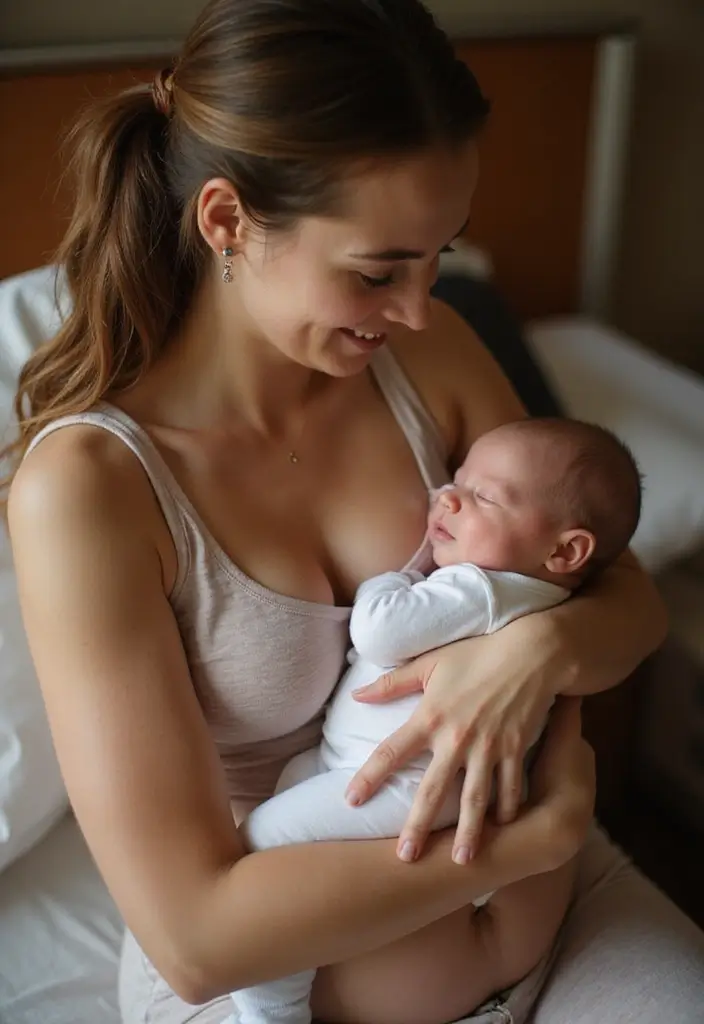
Vaginal delivery is often viewed as the classic way to welcome a baby. This method involves going through labor and giving birth through the birth canal. Many parents cherish this experience for its natural feel, allowing them to hold their baby right after birth, promoting a special bond.
One major benefit of vaginal delivery is how quickly mothers recover. Most women can get back on their feet within hours, which helps with bonding and starting breastfeeding. This method is also less invasive than a C-section, lowering the risks related to surgery. Plus, babies born this way might gain advantages like exposure to healthy bacteria that can aid in their immune development. Still, complications can happen, leading to the need for a C-section.
Consider these points when thinking about vaginal delivery:
– Faster recovery time
– Immediate connection with your baby
– A more natural birthing experience
If you’re leaning towards a more natural birth, vaginal delivery may suit you best. Always talk to your healthcare provider about your birth plan for personalized guidance.
❝ Fun fact: vaginal delivery often means a quicker recovery. About 60-80% of first-time moms can walk within 6 hours, and many start breastfeeding within the first hour after birth. ❞
Understanding Vaginal Delivery
Editor’s Choice

Frida Mom 11pc Postpartum Essentials Kit Gift Set, Hospital Bag Must Hav…
 Amazon$29.98
My Brest Friend Nursing Pillow – Deluxe – Enhanced Comfort w/ Slipcover …
Amazon$56.952. The C-Section Option
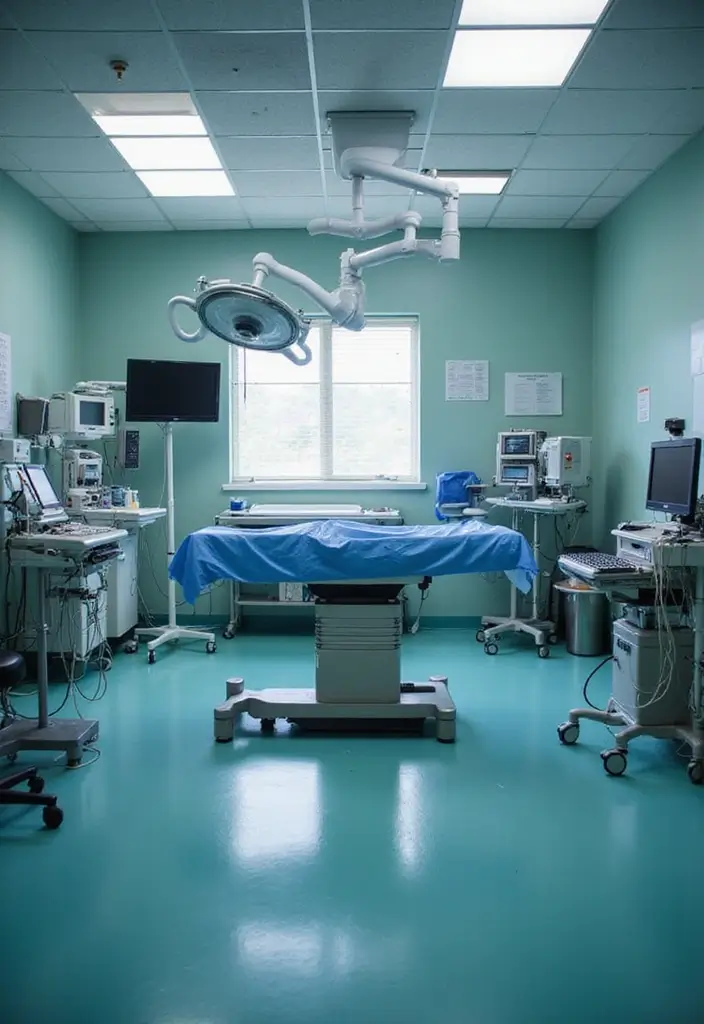
A C-section, or cesarean section, is a surgical way to deliver a baby through an incision in the abdomen and uterus. Doctors often recommend this method in emergencies, like fetal distress or unusual baby positions.
While a C-section can be lifesaving, it carries risks like longer recovery times and possible complications like infections. Many parents appreciate the control that comes with planned C-sections, allowing them to schedule their baby’s arrival with their medical team.
Here are some reasons why parents might choose a C-section:
– Scheduled delivery without the unpredictability of labor
– Increased safety for mothers and babies in specific situations
– Less stress for those with past complications during births
If you’re considering this option, it’s important to discuss the benefits and drawbacks with your healthcare provider to make an informed choice.
Fun fact: About 1 in 3 births around the world involve a C-section in some regions. Scheduled births can help with timing, but recovery often takes longer than vaginal delivery.
The C-Section Option
Editor’s Choice

MOYOAMA 2 Pcs Hysterectomy Pillow Set – Incl 1 Gel Packs for Soothing Re…
Amazon$37.99
Frida Mom 11pc Postpartum Essentials Kit Gift Set, Hospital Bag Must Hav…
Amazon$29.98
Belly Binder, Postpartum Essentials for Natural and C-Section Recovery, …
Amazon$28.983. The Recovery Journey

Recovery after childbirth can look very different depending on whether you had a vaginal delivery or a C-section. Many mothers feel back to their normal selves quickly after vaginal delivery. In contrast, recovering from a C-section often takes longer due to the surgical nature of the procedure.
Women who give birth vaginally usually face some soreness but can manage it with over-the-counter pain relief. They often return to their routines within weeks. C-section recovery can take several weeks or even months, as mothers must avoid heavy lifting and strenuous activities to ensure proper healing.
Here are a few recovery facts to consider:
– Vaginal delivery typically involves less pain and quicker movement
– C-section recovery requires careful monitoring of the surgical site
– Support from loved ones is especially important for C-section moms
Being aware of the recovery process can help you prepare mentally and physically for what lies ahead.
The Recovery Journey
Editor’s Choice
Frida Mom 11pc Postpartum Essentials Kit Gift Set, Hospital Bag Must Hav…
Amazon$29.98
Frida Mom Belly Binder, Postpartum Essentials for Natural and C-Section …
Amazon$28.98
Medline Perineal Cold Packs for Postpartum Care (24 Count) Each Absorben…
Amazon$33.494. Emotional Considerations

Childbirth is not just about the physical aspect; it’s also about emotions. The choice between vaginal delivery and C-section can greatly affect how mothers feel about their birthing experience. Many women have strong feelings about one method over the other, often shaped by personal or cultural beliefs.
A vaginal delivery can leave mothers feeling empowered and accomplished. Conversely, some may feel disappointment or loss if they have to undergo a C-section, especially if it wasn’t their choice. It’s vital for expectant parents to recognize these feelings and share them with their partners and healthcare providers.
Here are some thoughts to reflect on:
– What are your feelings about different childbirth methods?
– Are there any fears you want to discuss beforehand?
– What emotions do you want to prepare for?
Taking time to understand these feelings can lead to a more positive birthing experience, no matter what method you choose.
Emotional Considerations
Editor’s Choice

Keepsake Pregnancy Journal to Cherish Forever – A Pregnancy Book to Capt…
Amazon$22.95
Practical Pregnancy & Postpartum PLANNER: Natural Childbirth Education S…
Amazon$24.50
Stress Balls (5 Pack) for Kids and Adults – Stress Relief Balls with Mot…
Amazon$8.995. Considerations for Future Pregnancies

How you choose to deliver your baby can influence future pregnancies. If you’ve had a C-section, you might need to think about your options for future births. Some doctors may recommend repeat C-sections due to scarring on the uterus.
However, vaginal birth after cesarean (VBAC) is possible for some women, allowing them to experience vaginal delivery after a C-section. This option does have its risks, and not everyone is a good candidate, so discussing your options with your healthcare provider is crucial.
Key factors to think about include:
– Your medical history and any health issues
– The type of previous C-section
– Consulting specialists for VBAC discussions
Being well-informed can help you make the best choices for your future pregnancies, giving you more control over your birthing experiences.
Considerations for Future Pregnancies
Editor’s Choice

The Simplest Pregnancy Book in the World: The Illustrated, Grab-and-Do G…
Amazon$18.75You might also like

C-Section Recovery Timeline: How Long Bleeding Lasts and What to Expect Next – MomBlush

Constipation After Delivery: 11 Causes Every New Mom Should Be Aware Of! – MomBlush
6. Physical Health Considerations
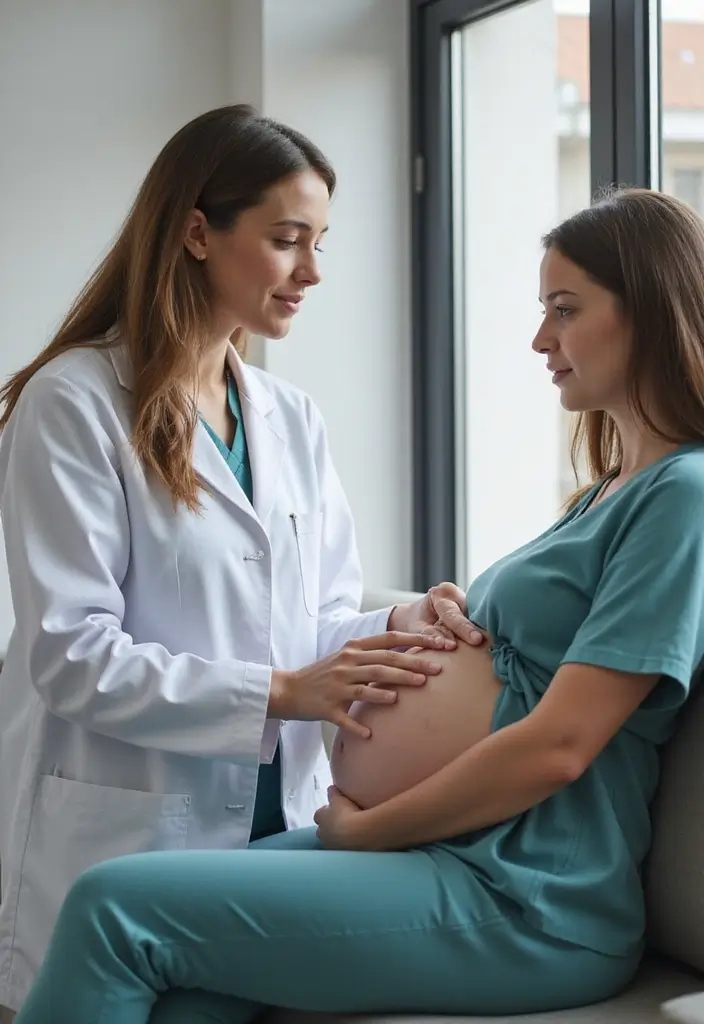
Your health is a key factor in deciding between vaginal delivery and C-section. Certain medical conditions, like high blood pressure or gestational diabetes, might influence your doctor’s recommendation. If you’ve had complicated pregnancies or surgeries before, these will also impact your choices.
For example, if you have specific heart issues, your doctor might suggest a C-section to avoid the stress of labor. If you’re generally healthy, your provider might support vaginal delivery as the preferred option.
Important health considerations include:
– Existing conditions that might complicate labor
– Past pregnancy troubles
– Conversations about your fitness and any limitations
Keeping your health in mind can help tailor the birthing experience to suit your unique needs.
Your physical health often guides your birth plan more than vibes or guesses. If you have high blood pressure or gestational diabetes, your doctor might suggest a C-section to protect you and baby; if you are healthy, vaginal delivery can be a strong option with careful planning.
7. Support Systems Matter

Having a solid support system during pregnancy and childbirth is essential. Whether you choose a vaginal delivery or C-section, support from friends, family, or doulas can make a huge difference. They can offer help, encouragement, and a listening ear as you get closer to the big day.
Your support network might also influence your decision. They can share their experiences and perspectives, helping you lean towards one option or the other. A partner who understands your needs can help ease any stress and prepare you for childbirth.
Consider these forms of support:
– Emotional support from loved ones
– Informational support through classes or reading
– Physical help during recovery
A strong support system can enhance the birthing experience and create a nurturing environment for both you and your baby.
Support Systems Matter
Editor’s Choice
Birth It Up: The BIG Book of Birth Education: Everything You Need to Kno…
Amazon$0.00
The Birth Guy’s Go-To Guide for New Dads: How to Support Your Partner Th…
Amazon$8.888. Birth Plans: More Than Just a Wish List

Creating a birth plan allows expectant parents to express their wishes for labor and delivery. It’s more than a list; it’s a way to communicate your preferences while being ready for changes. A thoughtful birth plan helps ensure that you and your healthcare team are aligned.
Your birth plan can include details about pain management and your delivery method. It’s important to remember that plans may need to adjust based on real-life situations. Being open to changes can lead to a more positive experience.
Key elements of a birth plan:
– Preferences for labor and delivery positions
– Pain management choices (epidural, natural, etc.)
– Who you want present during delivery
Being clear about your wishes while staying adaptable can help you navigate the experience, no matter the outcome.
Birth Plans: More Than Just a Wish List
Editor’s Choice

Effective Position For Labour And Birth Poster, Labor Positions Handout,…
Amazon$15.99
5 Pcs Birthing Comb Gifts Set Includes Wooden Labor Comb Massage Roller …
Amazon$18.99
Frida Mom Labor and Delivery Gown for Hospital, Easy-Snap, Tagless Nursi…
Amazon$26.49You Might Also Like

15 Proven Ways to Heal Ingrown Hair on C-Section Scar (Secret Tips for Faster Relief!) – MomBlush

Why Is the First Milk Yellow? The Secret Behind Baby Colostrum Revealed! – MomBlush
9. Preparing for the Unexpected
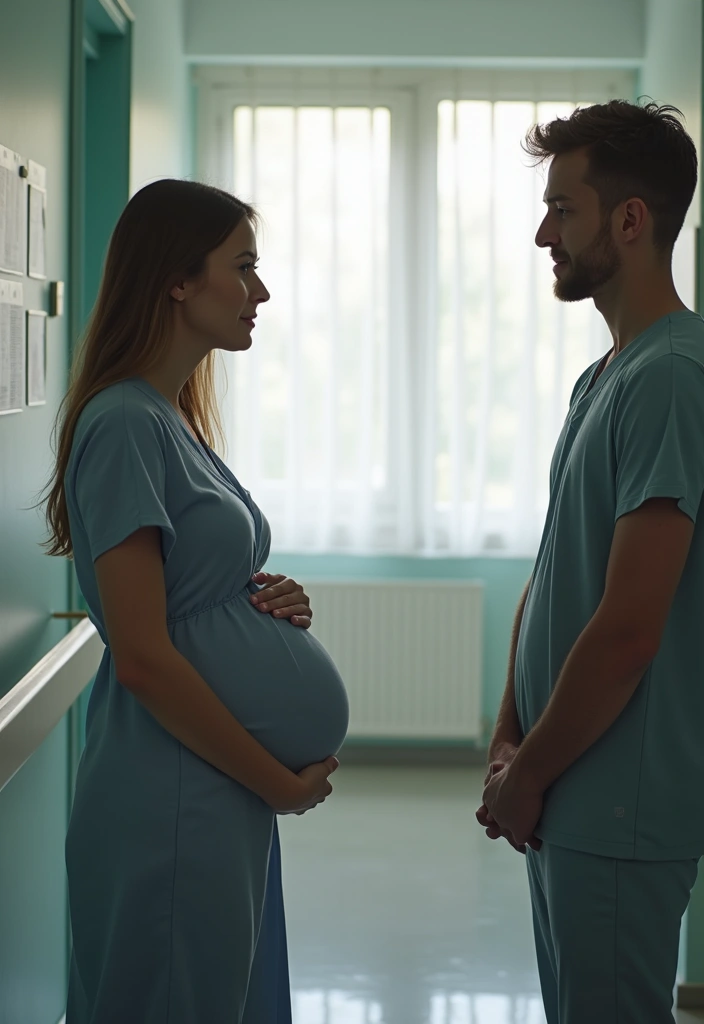
Childbirth can be thrilling but also full of surprises. No matter how much you plan, unexpected situations can pop up. Having a flexible mindset helps ease the stress that comes with these surprises.
For instance, if you planned a vaginal delivery, you might face a situation that requires a C-section. Understanding that adaptability is a part of the journey can help you manage these changes. Keep an open mind about the possibility of your ideal scenario shifting.
Some ways to prepare:
– Pack a versatile hospital bag for any situation
– Discuss backup plans with your healthcare provider
– Maintain a positive mindset ready to embrace changes
Being ready for the unexpected can lead to a more fulfilling experience, regardless of the path you take.
Preparing for the Unexpected
Editor’s Choice

Frida Mom 2-in-1 Postpartum Pads, Absorbent Perineal Ice Maxi Pads, Inst…
Amazon$13.29
INIU Portable Charger, Ultra Slim 10000mAh 45W PD Power Bank, USB C in&O…
Amazon$18.6910. The Bottom Line: Making Your Choice

In the end, choosing between vaginal delivery and C-section is a personal decision influenced by many factors, such as health, emotions, and personal preferences. It’s vital to approach this choice with as much knowledge as possible and trust your instincts and healthcare team.
Before deciding, take time to consider input from others, but remember that you are the one carrying the baby. Trust yourself to choose what’s best for your body, your baby, and your family.
Takeaway points include:
– Research both options carefully
– Talk to your healthcare providers
– Follow your instincts
Gathering information and trusting your judgment will empower you in your childbirth experience, no matter which route you choose.
The Bottom Line: Making Your Choice
Editor’s Choice

Pregnancy Journal for First Time Moms Gifts – 90 Pages Hardcover Pregnan…
Amazon$18.96
Practical Pregnancy & Postpartum PLANNER: Natural Childbirth Education S…
Amazon$24.50Conclusion: Embracing Your Journey

The journey to parenthood is filled with unique choices and experiences, from the method of delivery to the support systems involved. By understanding the differences between vaginal delivery and C-section, you can engage in meaningful conversations with your healthcare team and make the best decision for your family.
Remember, every birth story is exceptional, and there’s no one-size-fits-all answer. Embrace your path, celebrate your choices, and prepare to welcome your little one into the world!
Note: We aim to provide accurate product links, but some may occasionally expire or become unavailable. If this happens, please search directly on Amazon for the product or a suitable alternative.
This post contains Amazon affiliate links, meaning we may earn a small commission if you purchase through our links, at no extra cost to you.
Frequently Asked Questions
What Are the Main Differences Between Vaginal Delivery and C-Section?
The main difference between a vaginal delivery and a C-section lies in how the baby is born. Vaginal delivery is a natural process where the baby passes through the birth canal, while a C-section involves a surgical procedure where the baby is delivered through an incision in the mother’s abdomen.
Each option has its own set of benefits and risks, so it’s essential to discuss with your healthcare provider to find out which method might be best for you.
What Factors Should I Consider When Choosing Between Vaginal Delivery and C-Section?
When deciding between vaginal delivery and a C-section, consider factors like your overall health, any pregnancy complications, the baby’s position, and your personal preferences. Discussing your birth plan with your healthcare provider can help clarify the safest and most suitable option for you.
Additionally, understanding the recovery times and potential risks associated with both methods can guide your decision-making process.
Are There Any Risks Associated With Vaginal Delivery or C-Section?
Yes, both vaginal delivery and C-section come with their own risks. Vaginal delivery may lead to issues like tearing or prolonged labor, while a C-section carries risks related to surgery, such as infection or longer recovery time.
It’s important to weigh these risks with your healthcare provider, who can provide personalized insights based on your specific situation and health history.
How Does Recovery Differ Between Vaginal Delivery and C-Section?
Recovery times can vary significantly between vaginal delivery and C-section. Generally, women tend to recover faster from vaginal deliveries, often going home within a day or two. In contrast, recovery from a C-section usually takes longer due to the surgical nature of the procedure, with hospital stays typically lasting 3 to 4 days.
Post-operative care is crucial for C-section recovery, as you’ll need to manage pain and avoid strenuous activities for several weeks.
Can I Plan for a Vaginal Delivery After a Previous C-Section?
Yes, many women can successfully plan for a vaginal delivery after a C-section, a practice known as Vaginal Birth After Cesarean (VBAC). However, it’s essential to discuss this option with your healthcare provider, as specific factors, such as the type of incision made during your C-section and your overall health, will influence the safety and feasibility of a VBAC.
Understanding the risks and benefits can help you make an informed decision for your next childbirth experience.
Related Topics
vaginal delivery
C-section
childbirth options
pregnancy choices
natural birth
surgical delivery
birth methods
maternal health
labor tips
postpartum care
pregnancy planning
patient education




Thanks for breaking this down so well! I’ve been on the fence about which option to choose. Have you had any friends who went through both and can share their experiences?
This post was super informative! I have to admit, the thought of a C-section always made me think of the scene from that movie where the guy says, ‘It’s not a surgery, it’s a surprise party!’ Haha!
I found it interesting that C-sections have been around since ancient times. Did you know Julius Caesar was supposedly born that way? No wonder they named it after him!