


Raising a baby is a beautiful journey filled with joy, challenges, and countless decisions. One decision that weighs heavily on many parents is how to foster healthy habits right from the start. I created this post because I want to shed light on a pressing issue: baby obesity. It’s alarming to see how many little ones are at risk of developing unhealthy eating habits early on. By understanding the surprising reasons behind this trend, you can take proactive steps to ensure your baby’s health.
If you’re a parent, caregiver, or even an expectant parent, this information is especially for you. You likely care deeply about your child’s well-being and want to set them up for a healthy future. Every choice you make—whether it’s about feeding habits or daily activities—can impact your child’s weight and health. It’s vital to be aware of these factors so you can make informed decisions.
In this post, we’ll explore 10 shocking reasons your baby might be heading towards obesity. From the role of processed baby foods to the influence of family eating habits, these insights will empower you to create a healthier environment for your little one. Plus, I’ll provide practical tips on how to change these habits to promote a healthier lifestyle for your baby. Together, we can help our children thrive and build a solid foundation for a lifetime of health.
Let’s dive into the surprising world of baby obesity and discover how we can all contribute to a healthier future for our little ones.
Key Takeaways
– Processed baby foods can be high in sugar and unhealthy fats, influencing weight gain from an early age.
– Excessive screen time is linked to sedentary behavior, leading to increased obesity risk in young children.
– A consistent feeding schedule helps regulate your baby’s appetite and prevents overeating.
– Emotional eating may start early; teaching your child healthy ways to cope with emotions is key.
– Introducing solid foods too late can impact your baby’s ability to recognize hunger cues, affecting their long-term eating habits.
1. Overreliance on Processed Baby Foods
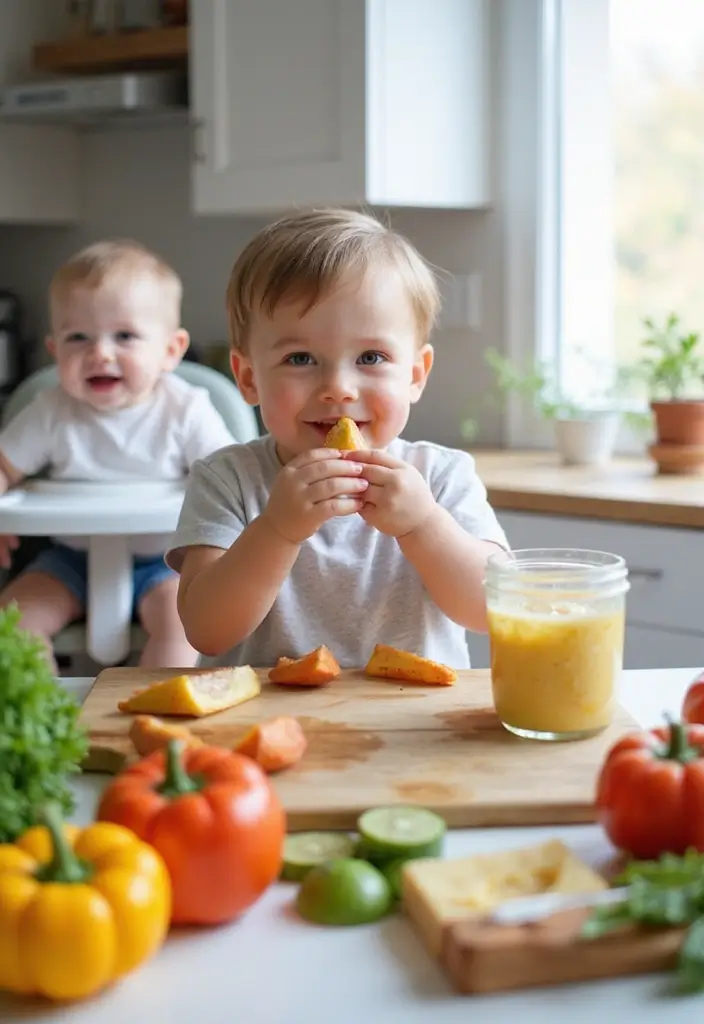
Processed baby foods offer convenience for busy parents, but they come with hidden dangers. These foods are often high in sugars and preservatives that can shape your baby’s taste preferences. Instead, think about making fresh baby food at home. You could blend colorful fruits and veggies to create tasty meals without the additives. Pinterest is full of ideas for homemade baby food that are both healthy and delicious.
Making your own baby food doesn’t have to be expensive. Buy seasonal fruits and veggies, and prepare them in batches. Freeze small portions for easy access later. Pairing this approach with feeding practices from other nutritious diets can help your baby form a positive relationship with food early on. This method makes mealtime enjoyable and ensures your little one gets the nutrients they need.
• Choose fresh fruits and vegetables for purees
• Steam and mash veggies for easy meals
• Freeze portions in ice cube trays for convenience
• Introduce soft chunks as they grow to promote chewing
With these tips, you can create healthy meals that set a strong foundation for your baby’s eating habits.
Overreliance on Processed Baby Foods
Editor’s Choice

GROWNSY Baby Food Maker with Steam Basket, One Step Baby Food Processor …
 Amazon$78.99
Ice Cube Trays for Freezer – 3 Pack 42 Cubes, Easy to Release Silicone I…
Amazon$5.89
Vegetable Steamer Basket, Premium Stainless Steel Veggie Steamer Basket …
Amazon$7.982. Excessive Screen Time
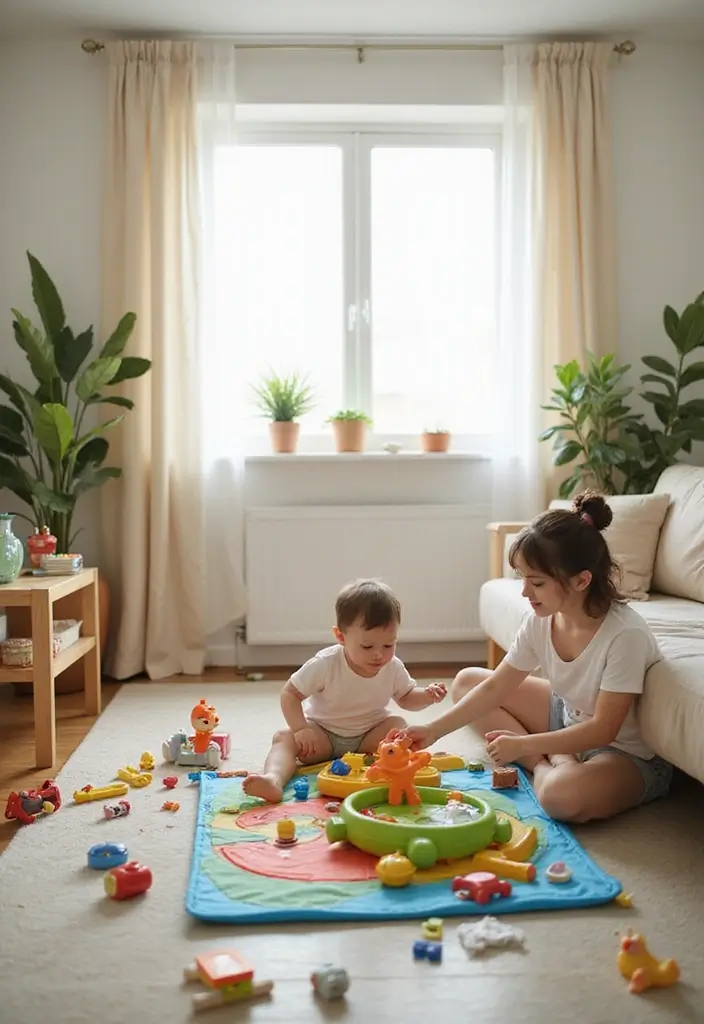
In today’s world, it’s easy for babies to spend too much time in front of screens. Too much screen time can lead to less physical activity, contributing to weight gain. Instead of turning on the TV, try engaging your baby with interactive play. Use bright toys that encourage movement and keep screen time to less than an hour a day.
Set a daily routine that includes active play, both indoors and outdoors. Go for walks in the fresh air or dance around the living room to their favorite songs. Sensory play with materials like water or sand can also keep them entertained and active. This not only helps with physical fitness but can also boost their brain development.
• Limit screen time to one hour daily
• Encourage tummy time for muscle development
• Plan outdoor activities for fresh air
• Use hands-on games to promote engagement
By keeping your baby active, you’re helping them build a healthy lifestyle from the start.
Fact: Babies with more than 1 hour of screen time daily tend to be less active, increasing baby obesity risk. Swap TV time for interactive play and bright toys to spark movement—aim for under an hour of screens and plenty of real play.
Excessive Screen Time
Editor’s Choice

Baby Einstein 4-in-1 Kickin’ Tunes Music and Language Play Gym and Piano…
Amazon$42.97
Creativity for Kids Sensory Pack: Outer Space – Toddler Activities and S…
Amazon$9.97
Baby Einstein Take Along Tunes Musical Toy, Ages 3 months +
Amazon$9.963. Inconsistent Feeding Schedules
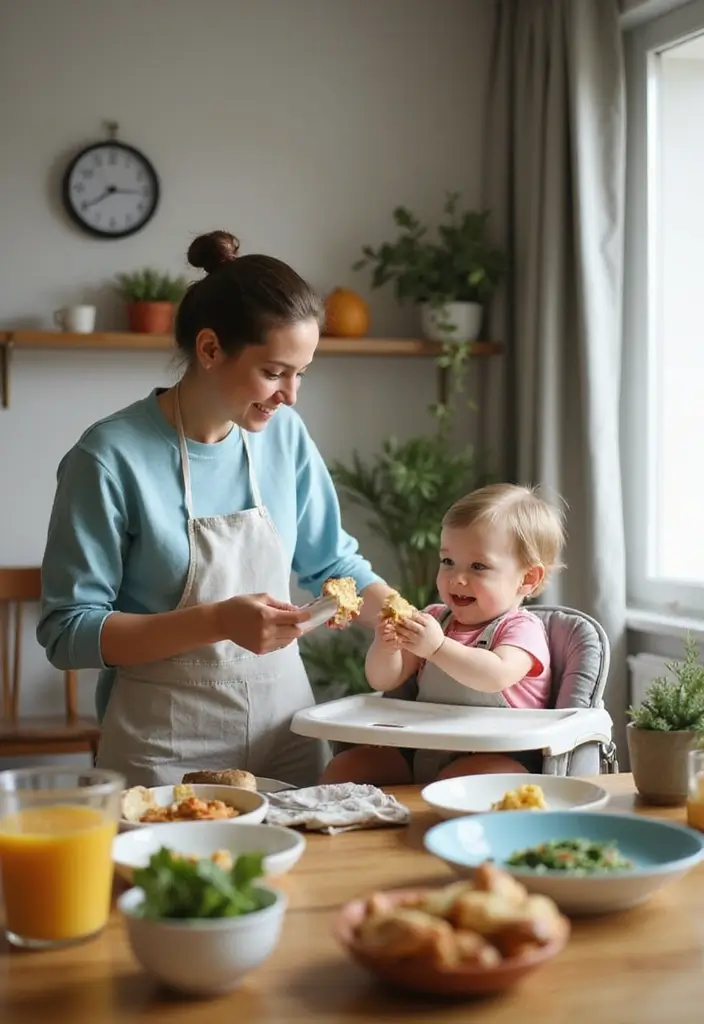
Babies thrive on routine, and inconsistent feeding can lead to overeating or not eating enough. When mealtimes are irregular, your baby may struggle to understand their hunger signals. Establishing a consistent feeding schedule helps them know when to expect meals.
Create a daily routine with set times for breakfast, lunch, and dinner. Include healthy snacks in between to prevent hunger-driven overeating. Pay attention to your baby’s cues—encourage them to eat when hungry and stop when full. This practice sets the stage for healthy eating habits.
• Set consistent meal times each day
• Provide healthy snacks between meals
• Encourage babies to eat when hungry
• Teach them to stop when they are full
These simple steps help your baby develop a balanced relationship with food that lasts a lifetime.
Consistency over chaos: set 3 meal times and 2 healthy snacks each day so your baby can read hunger cues and stop heading towards obesity. A steady schedule helps prevent baby obesity and makes mealtimes calmer for you both.
Inconsistent Feeding Schedules
Editor’s Choice

Baby’s Daily Log Book – A5 Baby Care planner for Newborns, Schedule for …
Amazon$8.97
Happy Baby Organics Yogis Freeze-Dried Yogurt & Fruit Snacks, 3 Flavor V…
Amazon$9.36
PandaEar Silicone Baby Feeding Set | 9PCS Baby Led Weaning Supplies Self…
Amazon$16.954. Lack of Breastfeeding

Breastfeeding can significantly lower the risk of obesity in children. It provides essential nutrients and helps regulate appetite. If possible, aim to breastfeed for at least six months to give your baby a healthy start. If breastfeeding isn’t an option, look for a high-quality infant formula that mimics breast milk.
Breastfeeding offers many benefits, including healthier weight gain and protection against infections. If you need support, local lactation consultants can help. As your baby grows, gradually introduce solids while continuing to breastfeed to maintain a balanced diet.
• Aim for at least six months of breastfeeding
• Seek help from lactation consultants if needed
• Gradually introduce solids while breastfeeding
• Focus on nutrient-rich foods later
These early choices can have a lasting impact on your baby’s health.
Lack of Breastfeeding
Editor’s Choice

Similac 360 Total Care Infant Formula, Has 5 HMO Prebiotics, Our Closest…
Amazon$9.97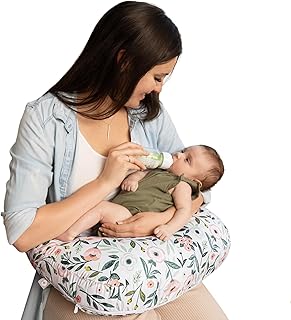
Boppy Nursing Pillow – Ergonomic Bottle & Breastfeeding Pillow with High…
Amazon$49.995. Sugary Drinks
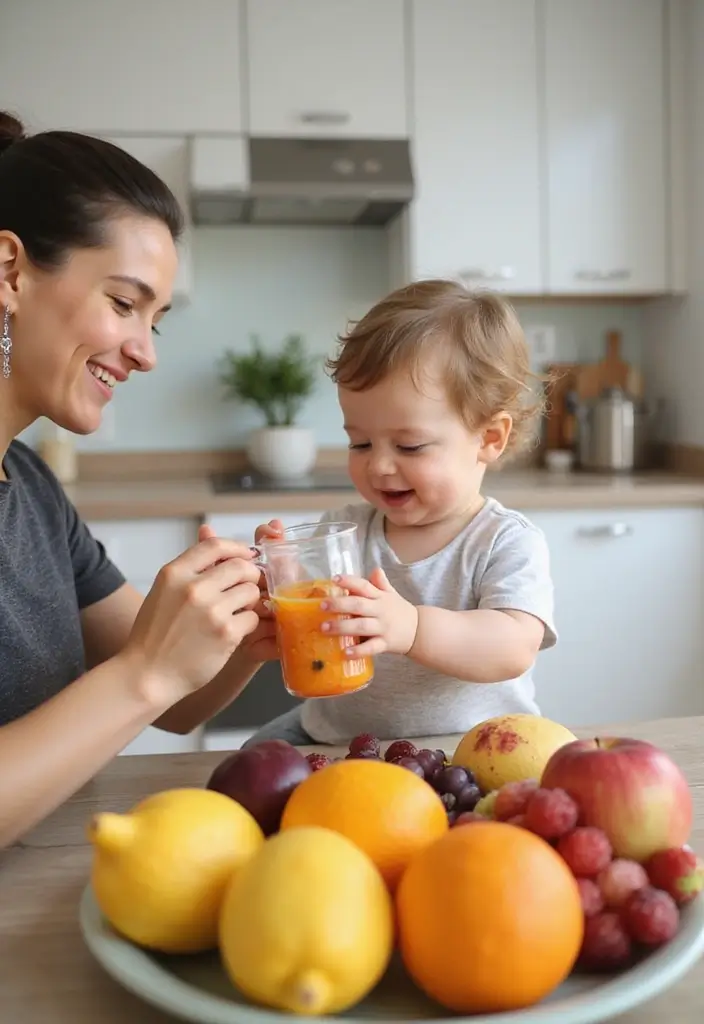
Many parents overlook the impact of drinks on their baby’s diet. Sugary drinks, like fruit juices and sweetened waters, can add unnecessary calories without nutrients. Instead, encourage your baby to drink water as their main beverage. If they enjoy juice, dilute it with water and limit how much they have.
Make hydration fun by offering fresh fruit blends with water for a tasty twist. Keep sodas and sugary drinks out of reach to avoid temptation. Teaching your child good habits early on can set the tone for their drinking choices later.
• Offer water as the main drink
• Dilute juice with water for less sugar
• Blend fresh fruits for natural flavors
• Make water fun with colorful cups
These practices ensure your baby develops healthy drinking habits from the beginning.
Sugary Drinks
Editor’s Choice

12oz Kids Water Bottle for School, Toddler Bottles with Straws, Stainles…
Amazon$9.99
Zulay Fruit Infuser Water Bottle – 34oz – Leakproof With Full-Length Inf…
Amazon$15.99
Silipint: Silicone Pint Glasses: 2 Pack Moon Beam – 16oz Unbreakable Cup…
Amazon$24.95You might also like
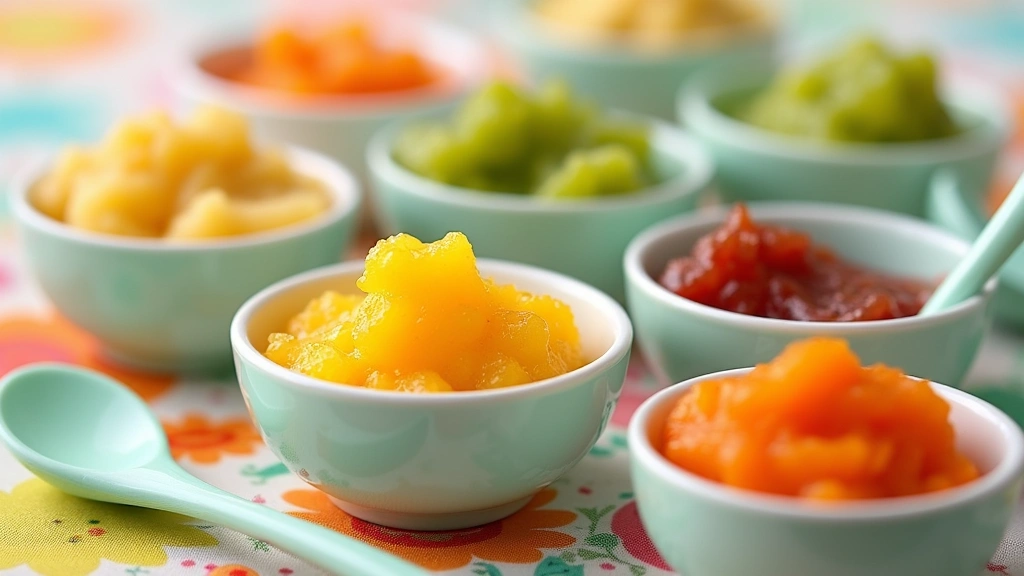
10 Homemade Baby Food Recipes That Your Little One Will Love (You Won’t Believe #4!) – MomBlush

10 Baby Led Weaning First Foods That Will Have Your Little One Asking for More! – MomBlush
6. Emotional Eating
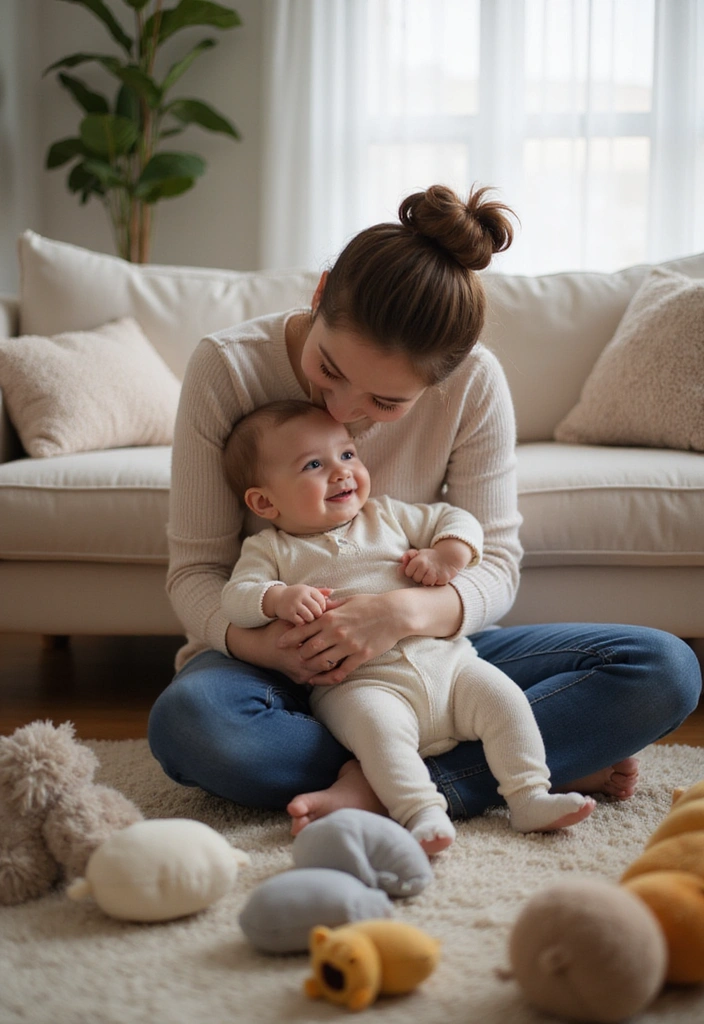
Like adults, babies can also develop emotional eating habits. If they often receive food for comfort, they might struggle with healthy eating later. Instead of using food as a reward, try comforting them through cuddles or play.
Learn to recognize the difference between hunger and other emotions like boredom or tiredness. Introduce comforting activities that don’t involve snacks, such as reading together or singing. Set a good example by expressing emotions openly and discussing feelings instead of turning to food.
• Recognize hunger cues versus emotional needs
• Offer comforting routines without food
• Use playtime as a source of comfort
• Talk about feelings instead of using food
Building these habits helps your child develop a healthy mindset towards food.
Emotional Eating
Editor’s Choice

American Baby Company Heavenly Soft Chenille Security Blanket, 2-Layer D…
Amazon$7.99
The Storybook of Inspiring Tales: 10 Heartwarming Stories Exploring Them…
Amazon$11.99
Baby Einstein 4-in-1 Kickin’ Tunes Music and Language Play Gym and Piano…
Amazon$42.977. Inadequate Physical Activity
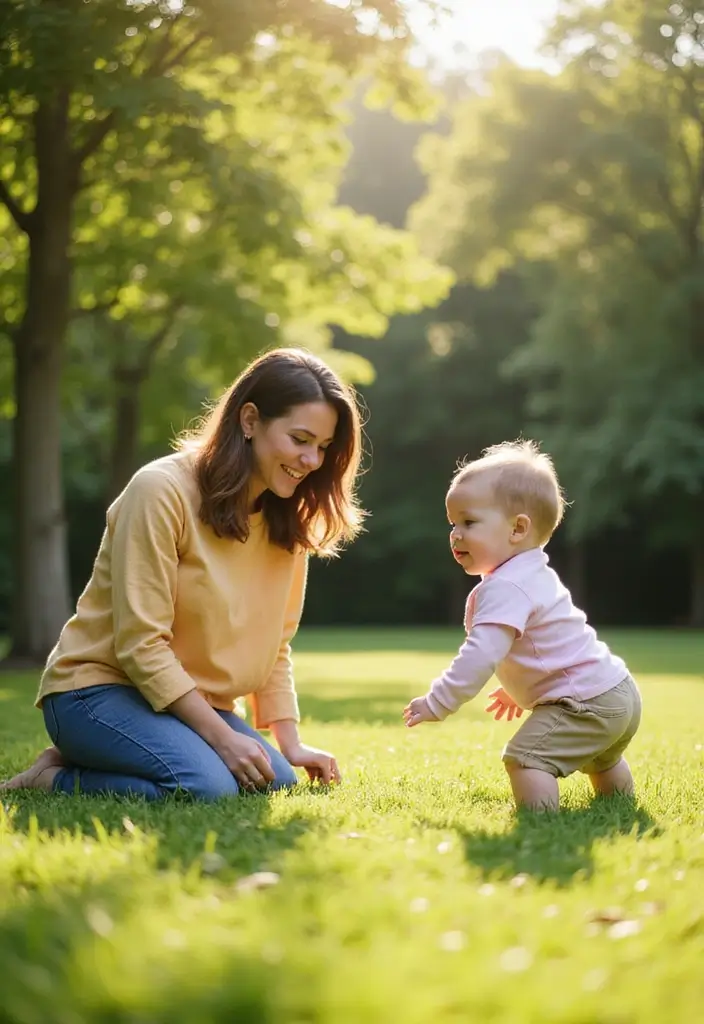
Physical activity is essential for babies, even from an early age. Limited movement can lead to weight gain, so it’s crucial to encourage play. Make sure your baby gets plenty of tummy time and the chance to explore their surroundings safely.
Incorporate age-appropriate toys that encourage movement, like soft balls or rattles. Join in on simple exercises, like stretching or gentle movements, to keep them active. Take walks outside and let them feel different textures, like grass or sand. This encourages a love for movement that can last a lifetime.
• Provide interactive toys for play
• Join in on baby workouts for fun
• Explore nature on walks together
• Let them feel different textures during play
Encouraging movement now builds a foundation for a healthy lifestyle later on.
Inadequate Physical Activity
Editor’s Choice

Sensory Balls for Baby Sensory Baby Toys 6 to 12 Months for Toddlers 1-3…
Amazon$19.99
Baby Einstein 4-in-1 Kickin’ Tunes Music and Language Play Gym and Piano…
Amazon$42.97
SmartNoggin NogginStik Light-up Developmental Rattle – Color Changing, T…
Amazon$24.958. Family Eating Habits
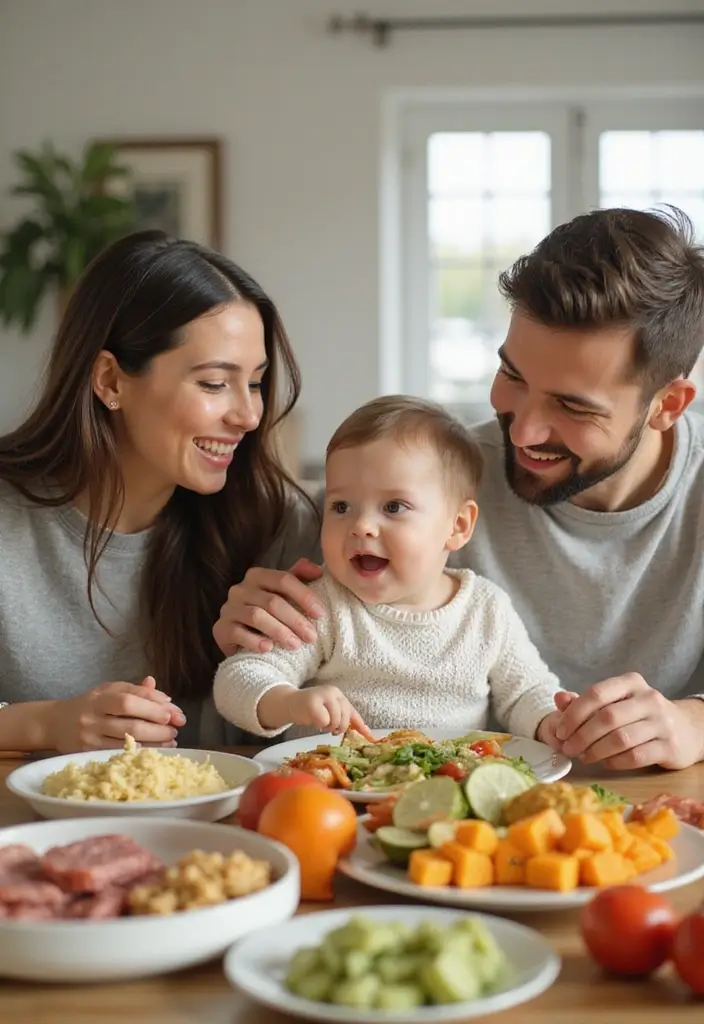
Children often imitate their parents’ behavior, especially when it comes to eating. If your family has unhealthy eating habits, it’s likely your baby will pick them up too. This is why leading by example is so important. Make sure to eat balanced meals and show healthy portion sizes.
Share family meals together to encourage conversation and good eating practices. Stock your kitchen with fresh fruits, vegetables, and whole grains instead of junk food. As your baby grows, involve them in meal prep to help them understand where their food comes from.
• Eat balanced meals together as a family
• Stock up on healthy foods at home
• Involve your baby in meal prep as they grow
• Set healthy portion sizes during meals
These habits can help your child develop a healthy lifestyle from the start.
Did you know that kids who share 5+ family meals weekly are 25% less likely to develop unhealthy eating habits? Lead by example with balanced portions and fresh produce, and involve your baby in meal prep—small steps add up to big changes for baby obesity prevention.
You Might Also Like

Can Breastmilk Really Come Back? Discover the Signs Relactation is Working! – MomBlush
Eat Your Way to More Milk: Increase Milk Supply with Lactation Foods You Can Enjoy and Hydration Hacks – MomBlush
9. Late Introduction of Solid Foods
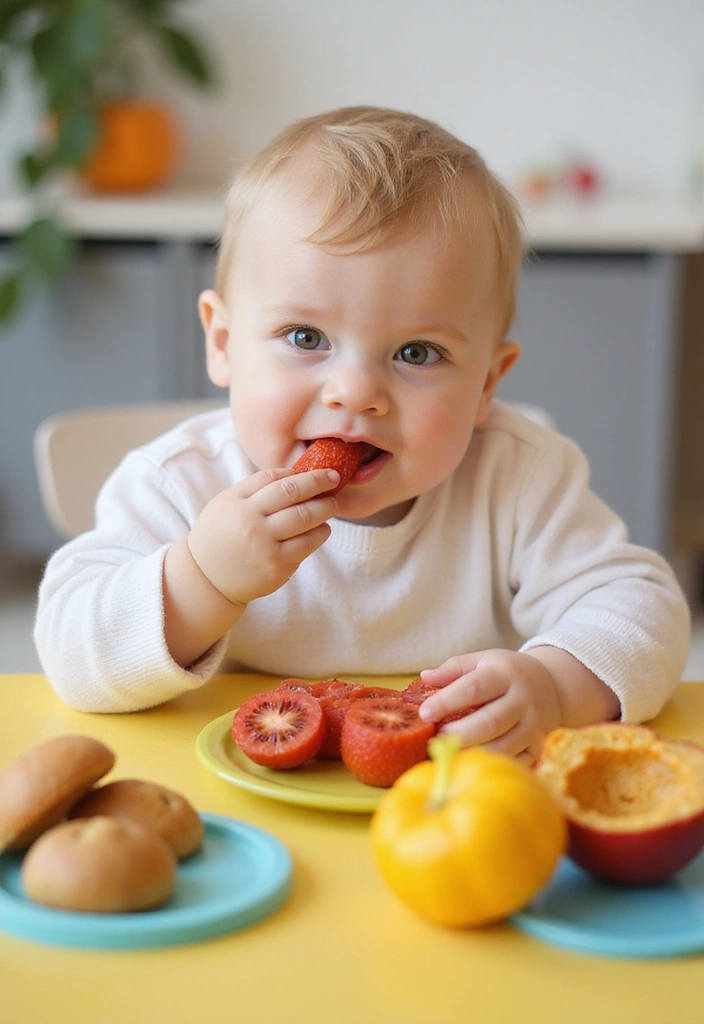
Introducing solid foods too late can create an unbalanced diet for your baby. This may lead to a preference for calorie-dense foods later on. Start introducing solids around six months, mixing different textures and flavors for variety.
Pair purees with finely chopped foods to expose your baby to new sensations. Encourage a wide range of fruits, vegetables, and grains to develop a well-rounded palate. Let your baby explore their food at their own pace to make mealtime enjoyable.
• Introduce solids around six months of age
• Mix purees with finely chopped foods
• Offer a variety of fruits and veggies
• Allow them to explore their food during meals
These practices help prevent obesity and set your baby up for a lifetime of healthy eating.
Late Introduction of Solid Foods
Editor’s Choice
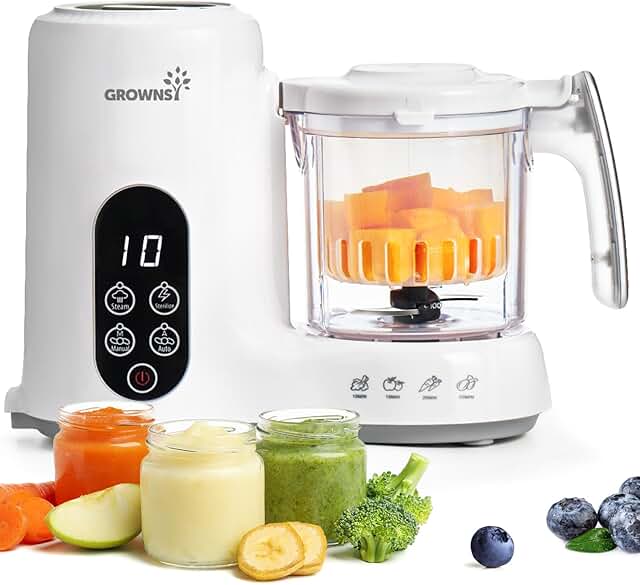
GROWNSY Baby Food Maker with Steam Basket, One Step Baby Food Processor …
Amazon$78.99
PandaEar Silicone Baby Feeding Set | 9PCS Baby Led Weaning Supplies Self…
Amazon$16.95
Happy Baby Organics Teether, 3 Flavor Variety Pack, 12 Count (Pack of 3)
Amazon$14.3710. Genetics and Family History

Some children may have a genetic predisposition to obesity due to their family history. While you can’t control genetics, you can still take positive steps to reduce risks. Focus on promoting healthy eating and active living at home.
Consult your pediatrician for personalized nutrition advice tailored to your child. Involve the whole family in healthy activities to create a supportive environment. Keep an eye on your baby’s growth patterns and adjust their diet and activity as needed.
• Discuss dietary concerns with a pediatrician
• Promote family activities to stay active
• Monitor your baby’s growth trends regularly
• Adjust diet and activity levels as necessary
Being informed and proactive can help your baby lead a healthier life.
Genetics and Family History
Editor’s Choice

The Big Book of Organic Baby Food: Baby Purées, Finger Foods, and Toddle…
Amazon$8.19
Funwares Original 237 Minute of Fun Games – Minute to Win It Family Part…
Amazon$27.29
Mibote Baby Growth Height Chart Handing Ruler Wall Decor for Kids, Canva…
Amazon$8.99Conclusion

Understanding the roots of baby obesity is crucial for shaping a healthy future for your child. Each small change made today can lead to significant improvements in their overall health tomorrow.
By adopting positive feeding habits and encouraging active play, you can steer your baby towards a healthier lifestyle.
Let’s commit to making every meal, snack, and playtime an opportunity for growth and good health!
Note: We aim to provide accurate product links, but some may occasionally expire or become unavailable. If this happens, please search directly on Amazon for the product or a suitable alternative.
This post contains Amazon affiliate links, meaning we may earn a small commission if you purchase through our links, at no extra cost to you.
Frequently Asked Questions
What Are the Main Causes of Baby Obesity in Early Stages?
It might surprise you to learn that several factors contribute to baby obesity in the early stages. These can include poor feeding habits, lack of physical activity, and even the influence of family eating patterns.
Additionally, genetics can play a role, and sometimes, environmental aspects like easy access to unhealthy foods can sneak into your baby’s diet. Being aware of these causes can help you take proactive steps to promote healthier habits from the start!
How Can I Change My Baby’s Feeding Habits to Prevent Obesity?
Changing your baby’s feeding habits is a great way to prevent obesity early on! Start by introducing a variety of fruits and vegetables and limit sugary snacks and drinks.
Also, focus on portion sizes and encourage regular meal times. Make mealtime enjoyable and interactive, as this can help your little one develop a healthy relationship with food. Remember, consistency is key, so stay patient and positive as you guide your baby towards healthier choices!
What Role Does Family Influence Play in Baby Obesity?
Family influence is significant when it comes to baby obesity. Children often mimic the eating habits and lifestyle choices of their parents and siblings.
If your family engages in regular physical activity and prioritizes nutritious meals, your baby is more likely to adopt those habits. Conversely, if unhealthy eating is the norm, it can lead to obesity. So, be a positive role model by making good nutritional choices and staying active together!
Are There Specific Foods That Can Help Prevent Obesity in Babies?
Absolutely! Incorporating specific foods into your baby’s diet can help prevent obesity. Focus on whole foods like fruits, vegetables, whole grains, and lean proteins.
These foods are nutrient-dense and help keep your baby fuller for longer, reducing the likelihood of overeating. Avoid processed foods high in sugars and unhealthy fats, which can contribute to unhealthy weight gain. Emphasizing variety and balance is essential for establishing healthy eating patterns early on!
How Important is Physical Activity for Preventing Baby Obesity?
Physical activity is crucial for preventing baby obesity! Encouraging movement from an early age helps develop strong muscles and bones, and it fosters a love for being active.
Simple activities like tummy time, crawling, and playing with age-appropriate toys can keep your baby engaged and moving. As they grow, introduce fun activities like dancing or outdoor play. The more active they are, the better their chances of maintaining a healthy weight in the future!
Related Topics
baby obesity
child nutrition
feeding habits
early stages
healthy eating
obesity prevention
parenting tips
infant diet
nutrition education
weight management
baby health
lifestyle changes




Wow, this really opened my eyes! I had no idea that certain snacks could be so sneaky. Have you found any good alternatives for kids’ snacks?
This post is both shocking and eye-opening! Speaking of shocking, why did the baby cookie cry? Because its mom was a wafer (wafer, get it?)!
Did you know that kids are more likely to eat what’s on their parents’ plates? It’s true! Maybe we should start eating healthier ourselves!
I remember when my little one would only eat mac and cheese every day! It took some creative cooking, but now they love veggies too! Anyone else have a similar experience?