
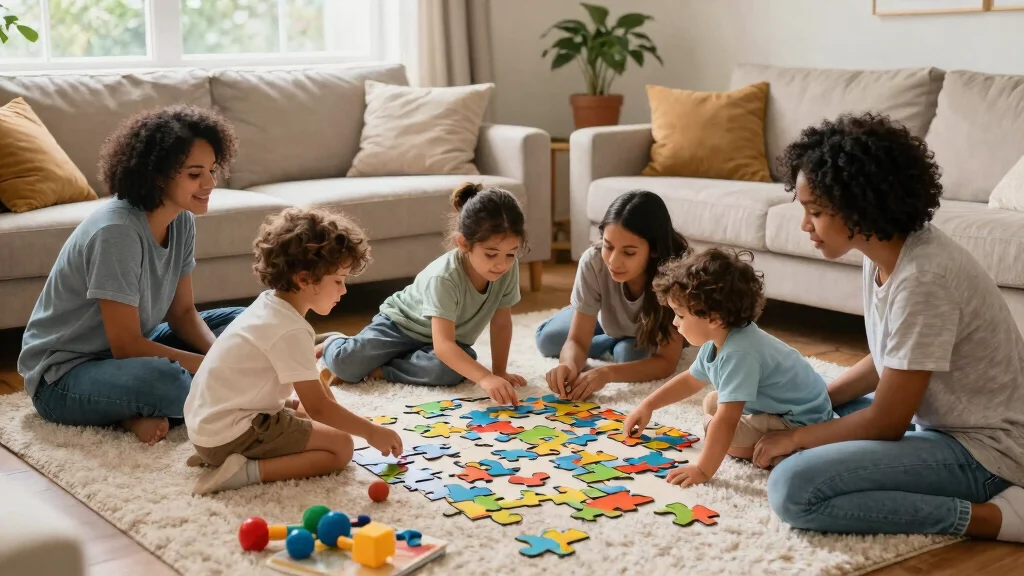

Parenting can sometimes feel like a battleground, especially when sibling rivalry rears its head. As a parent, you might find yourself craving a peaceful home where conflicts are resolved smoothly and effectively. I created this post because I know how overwhelming parenting can be. I want to help you navigate those tricky moments with your kids.
If you’re a parent who values positive discipline and longs for a harmonious family life, this guide is designed for you. You care about fostering strong relationships among siblings and teaching your children important life skills. This post offers ten effective conflict resolution techniques that are practical, relatable, and easy to implement. These strategies will not only help you manage disputes but also encourage understanding and empathy within your home.
By the end of this article, you’ll have a toolkit filled with actionable tips that can transform how you and your children handle conflicts. Whether it’s through active listening, role-playing, or setting up family meetings, you’ll discover ways to encourage peaceful interactions and foster a supportive environment. Let’s dive in!
Key Takeaways
– Active Listening allows children to feel heard, promoting mutual respect and understanding in disputes.
– Role-Playing gives kids a safe space to practice conflict resolution skills in a fun and engaging way.
– Setting Up a Conflict Resolution Agreement lays the foundation for fair and respectful interactions among siblings.
– Time-Out—But with a Twist helps children reflect on their actions while also teaching them to self-regulate emotions.
– Seeking Professional Help When Necessary can provide additional support in managing complex family dynamics and conflicts.
1. Active Listening
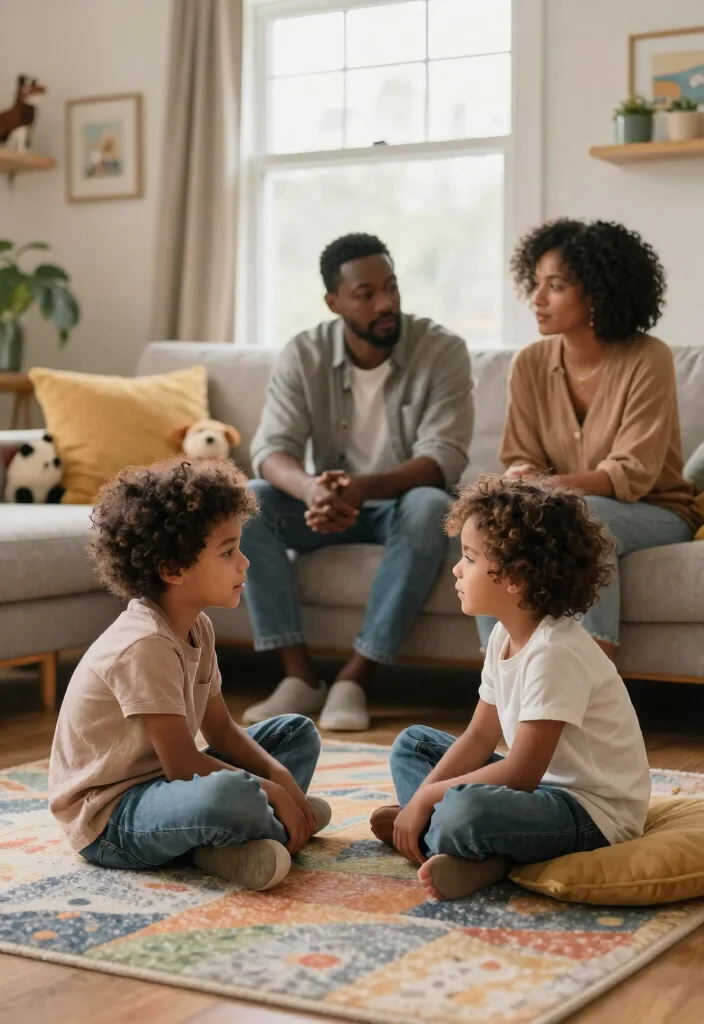
You want your children to feel understood and valued, and active listening is the key to achieving that. This technique encourages your kids to share their thoughts and feelings openly, making them feel acknowledged. By focusing on each other, using eye contact, and repeating back what they hear, they can truly connect during conversations.
Start by setting family rules for listening without interruptions. This encourages a safe atmosphere where everyone can express themselves freely. As they practice, they’ll develop empathy and learn to collaborate effectively in resolving conflicts.
Key tips to enhance active listening:
– Practice reflective listening by having each child repeat back what they heard.
– Encourage questions to deepen understanding of feelings.
– Play listening games that make the process fun.
Mastering active listening nurtures stronger family bonds and effective communication skills.
Active Listening
Editor’s Choice




📹 Related Video: Active Listening Skills
2. Role-Playing
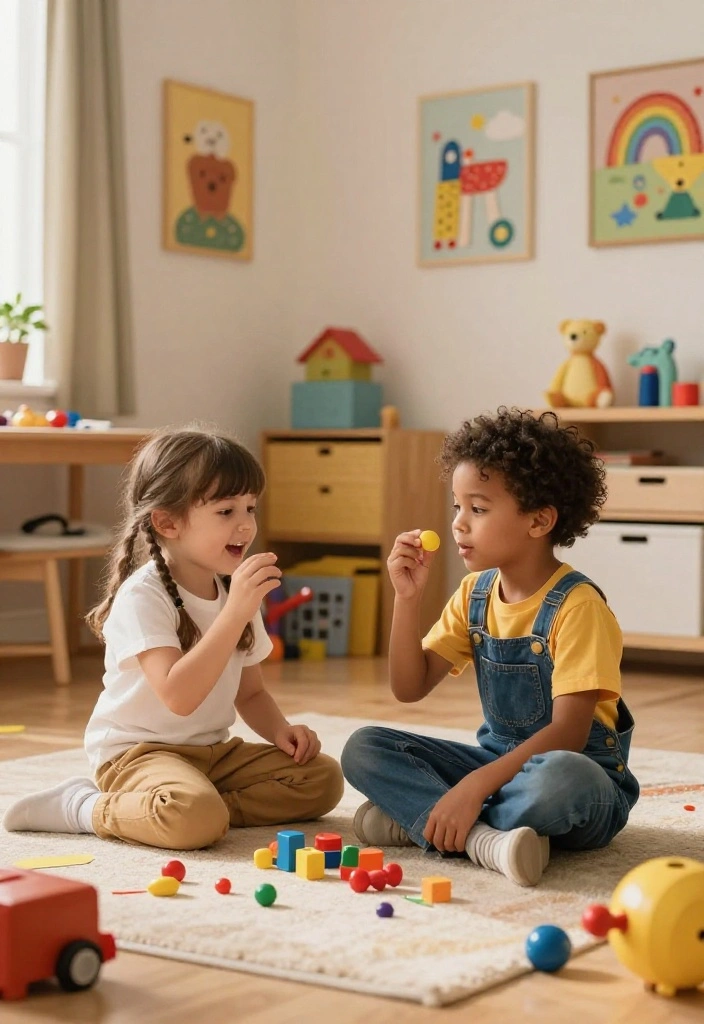
Role-playing transforms conflict resolution into an interactive and enjoyable experience. By acting out different scenarios, your children can see things from various perspectives, which helps them understand emotions involved in their disputes. This engaging technique encourages critical thinking and enhances empathy.
Create scenarios based on typical sibling disagreements, such as sharing toys. Let them explore solutions while switching roles to grasp the other person’s feelings better. This fun activity not only teaches them resilience but also sharpens their problem-solving skills.
Ways to incorporate role-playing:
– Designate a ‘conflict corner’ with props and costumes for more immersive play.
– Encourage creativity by allowing them to invent characters and stories.
– After role-playing, discuss valuable lessons learned.
Integrating role-playing into your home can make resolving conflicts a positive and educational experience.
Role-Playing
Editor’s Choice

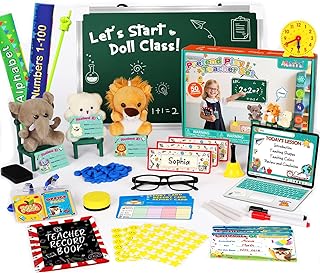


3. Setting Up a Conflict Resolution Agreement
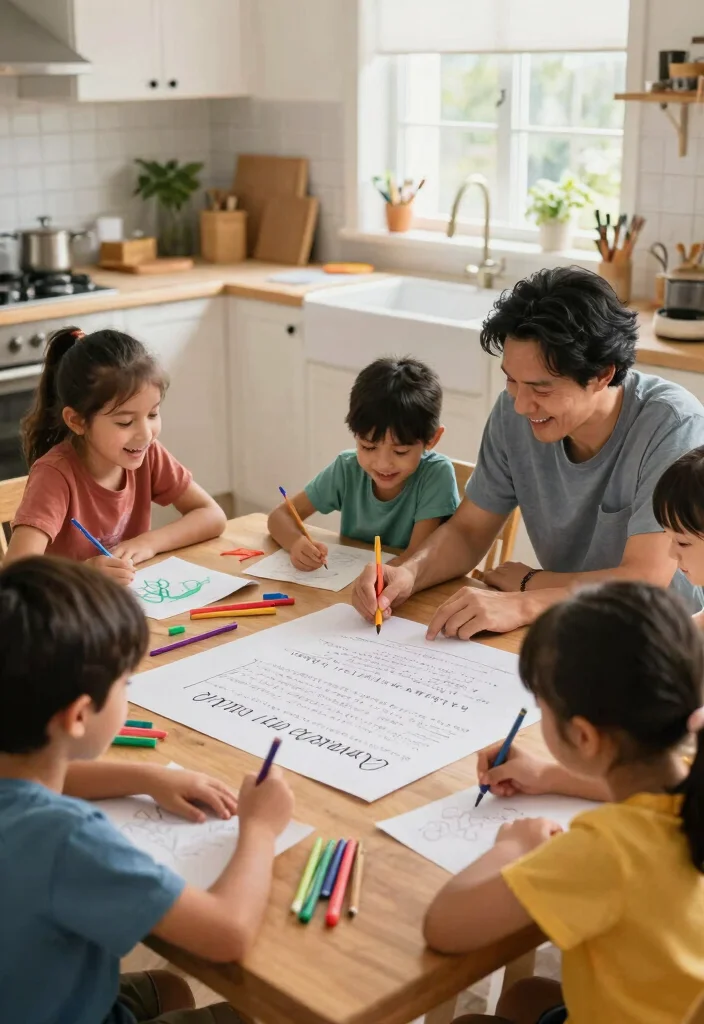
Creating a conflict resolution agreement is like forming a family roadmap for handling disputes. Gather your family together to discuss and agree on values and behaviors to uphold during conflicts. This collective effort empowers your children, making them feel responsible for their actions and fostering respect within the family.
When everyone knows the expectations, they’re less likely to act out aggressively and more inclined to seek peaceful solutions. These agreements can evolve with your children, adapting to their changing needs and dynamics.
Key elements for your agreement:
– Include rules for respectful speaking and using ‘I’ statements.
– Regularly revisit the agreement to keep it relevant.
– Celebrate successes when they follow the agreement during conflicts.
This technique builds accountability and reinforces positive discipline principles in your home.
4. Time-Out—But with a Twist
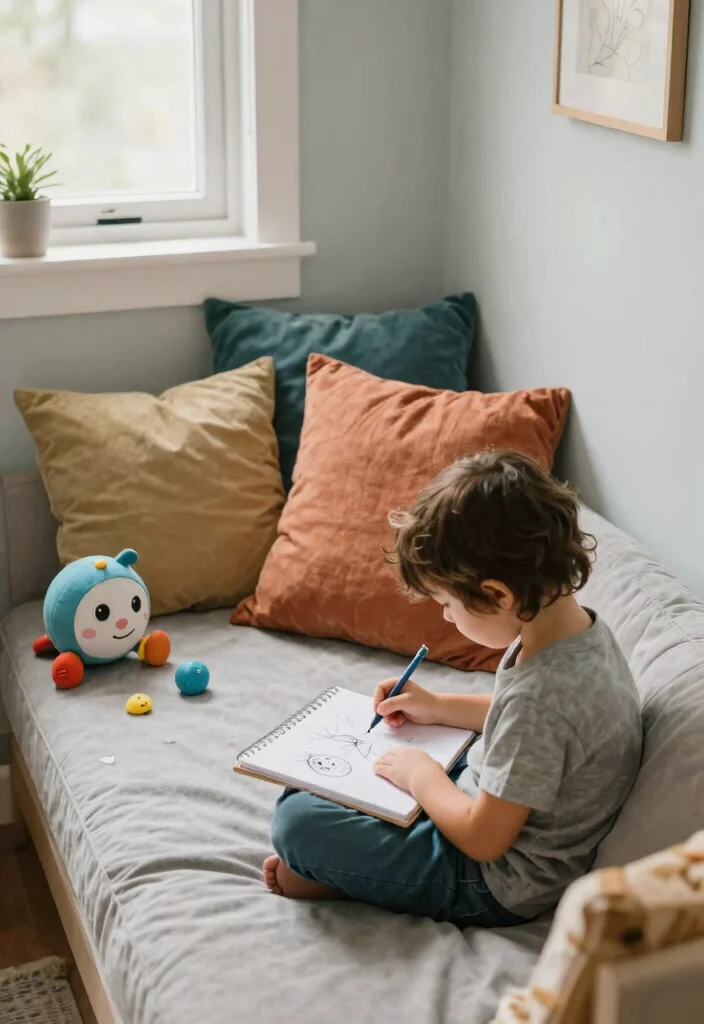
Time-out can often feel like a punishment, but it can be a chance for self-reflection and calming down together. Instead of isolating your child, create a cozy ‘time-in’ space filled with soft pillows, calming toys, and books. This moment allows them to explore their feelings and think about making better choices.
Encourage your child to express emotions through drawing or journaling during this reflective time. This gentle approach helps them learn emotional regulation and constructive feelings management.
Ways to enhance the time-in experience:
– Design a calming area with soothing colors and gentle lighting.
– Introduce mindfulness exercises or breathing techniques for relaxation.
– Discuss what they learned after their time-in.
Transforming time-out into a nurturing lesson in emotional intelligence supports positive discipline in your family.
Fun fact: Switching to a cozy ‘time-in’ drastically boosts calm—kids regulate emotions faster when they draw or journal during reflection. In Positive Discipline Techniques, this approach reduces reactivity by about 60% compared to traditional time-outs.
Time-Out—But with a Twist
Editor’s Choice





5. Collaborative Problem-Solving
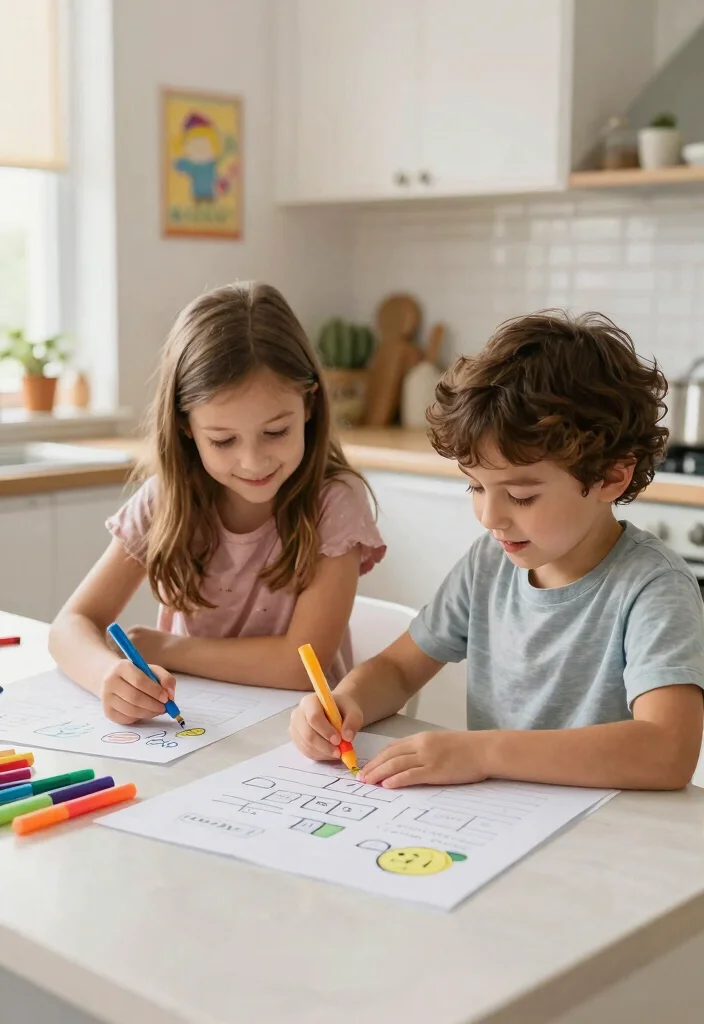
Encouraging collaboration among your children during conflicts teaches them the power of teamwork. Invite them to brainstorm solutions together when disagreements arise. Ask guiding questions like, ‘What can we do to fix this?’ or ‘How can we share this fairly?’ This involvement empowers them and strengthens their sibling bond.
Provide tools like a whiteboard to visualize their ideas and celebrate their successes when they resolve issues together. Modeling effective problem-solving strategies yourself also reinforces these skills.
Key strategies for collaborative problem-solving:
– Use a whiteboard or chart paper for visualizing solutions.
– Celebrate successful collaborations with small rewards.
– Demonstrate effective problem-solving in your own conflicts.
This approach teaches your kids to view conflicts as chances to improve their relationships rather than obstacles.
Collaborative Problem-Solving
Editor’s Choice


You might also like
20 Interactive Playtime Activities for Babies That Strengthen Your Bond (Don’t Miss #12!) – MomBlush

16 Interactive Gifts for Babies Under 1 That Keep Little Ones Engaged (Wait Until You See #7!) – MomBlush
6. Family Meetings
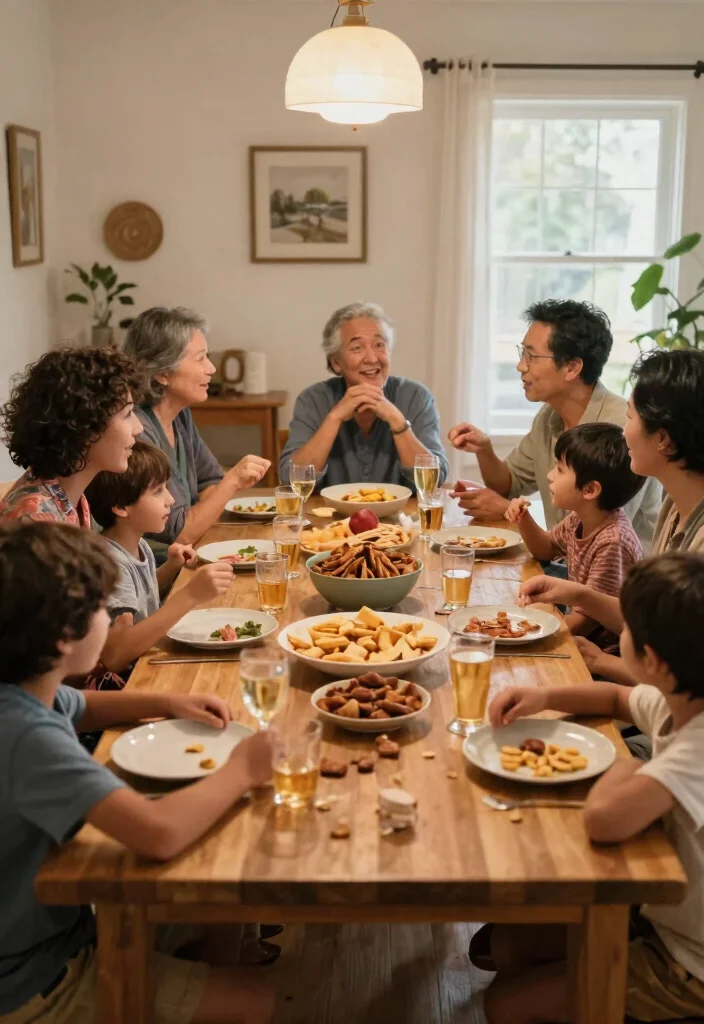
Regular family meetings provide an excellent opportunity for open communication and conflict resolution. By creating a safe space for sharing thoughts and feelings, you cultivate teamwork and transparency within your family. Use these gatherings to address ongoing issues and collaboratively brainstorm solutions.
Make these meetings enjoyable by including snacks or fun themes. Kids will look forward to contributing, feeling valued in family discussions.
Essential elements for effective family meetings:
– Schedule consistent meetings to establish routine.
– Incorporate games or themes to keep it engaging.
– Allow everyone to voice their opinions while practicing active listening.
Family meetings promote unity and demonstrate that each voice matters, reinforcing positive discipline principles.
Family meetings turn disagreements into teamwork. When kids feel heard, they’re more eager to contribute and learn practical Positive Discipline Techniques—like validating feelings and brainstorming solutions—turning everyday conflicts into collaborative steps toward peace in your home.
7. Teaching Empathy
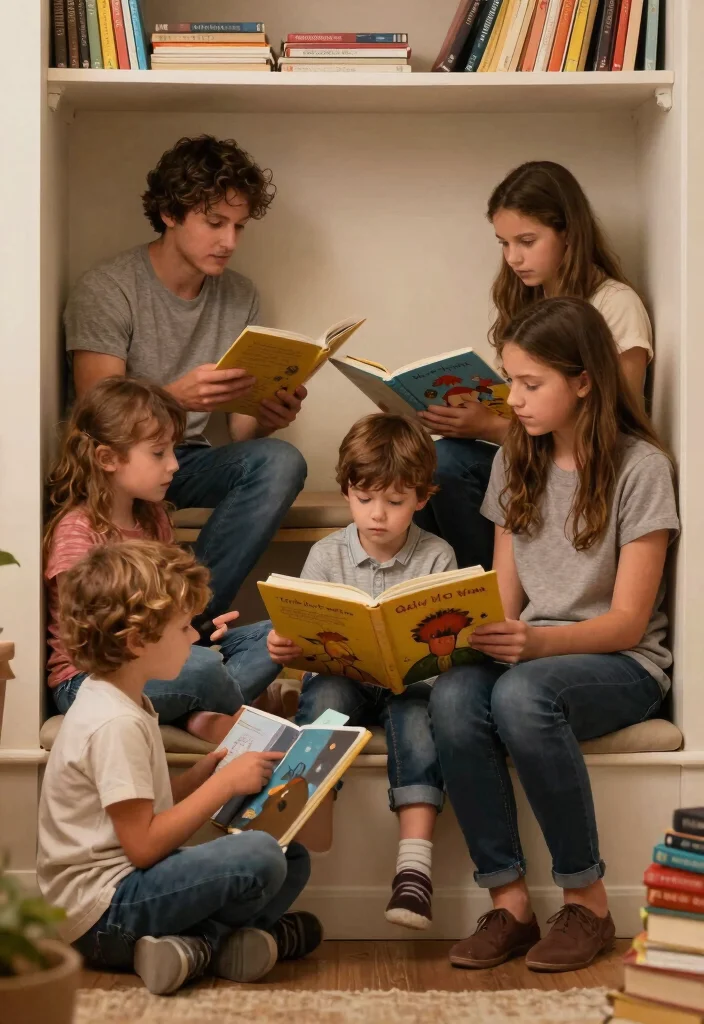
Empathy is crucial for understanding and resolving conflicts. When siblings learn to appreciate each other’s perspectives, conflicts become growth opportunities. Encourage your children to express their feelings while guiding them to consider how others might feel in the same situation.
You can use storytelling or real-life examples to illustrate empathetic responses, discussing characters from their favorite stories and their emotions. This helps them practice empathy in relatable contexts.
Ways to foster empathy:
– Engage in role-reversal activities where they take on each other’s roles.
– Participate in community service or kindness activities as a family.
– Validate their feelings while promoting understanding of others.
Teaching empathy not only aids conflict resolution but also nurtures compassionate individuals who build healthy relationships.
8. Keeping Calm Under Pressure
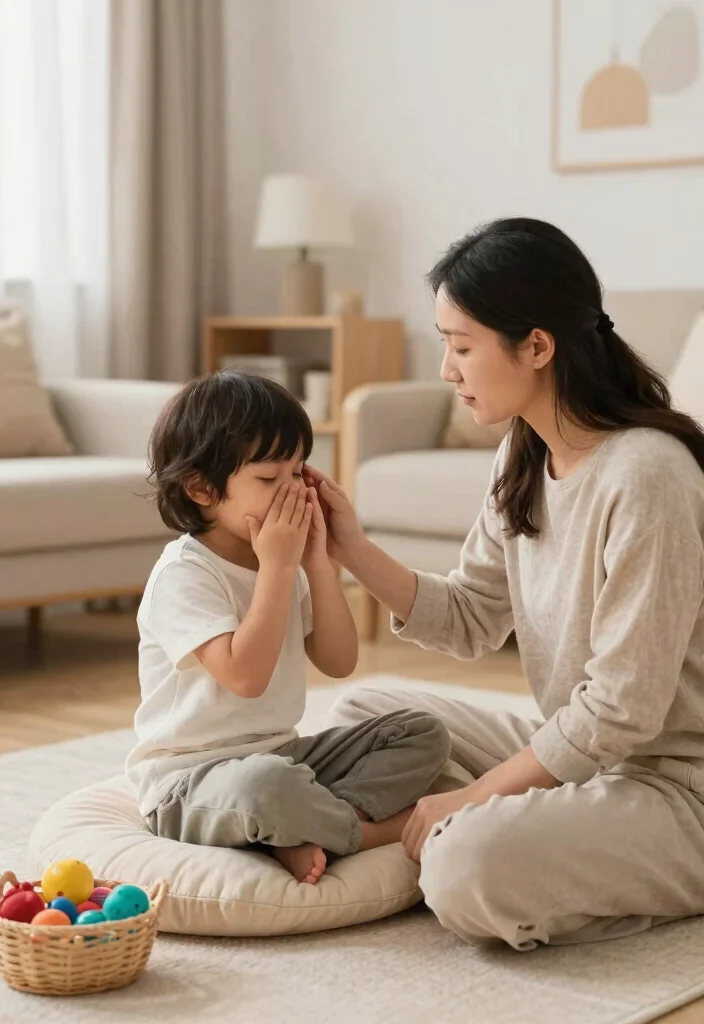
Maintaining calmness during conflicts can be challenging, especially for children. Modeling composed behavior is essential for fostering peaceful resolutions. When you remain steady, your children are more likely to emulate that calmness. Practice techniques like deep breathing or counting to ten before addressing conflicts.
Teach your kids to recognize their emotions and encourage them to pause when feeling overwhelmed. Consider creating a family mantra to recite during stressful moments, reminding everyone to stay calm.
Strategies to promote calmness:
– Lead by example to show how calmness can shift a situation.
– Create a calming corner with stress-relief tools like fidget toys.
– Discuss the benefits of remaining calm after conflicts are resolved.
By nurturing an environment of calmness, you’re equipping your children to handle conflicts constructively, exemplifying positive discipline.
Fun fact: Pausing for 10 seconds before replying drops family tension by about 40%. Positive Discipline Techniques show that modeling calm behavior teaches kids faster than lectures, turning heated moments into teachable moments—one deliberate breath at a time.
You Might Also Like

12 Natural Baby Products Every Pregnant Mom Needs This Summer (Wait Until You See #8!) – MomBlush
10 Best Baby Sleep Products for New Parents – Must-Haves for Peaceful Nights – MomBlush
9. Positive Reinforcement
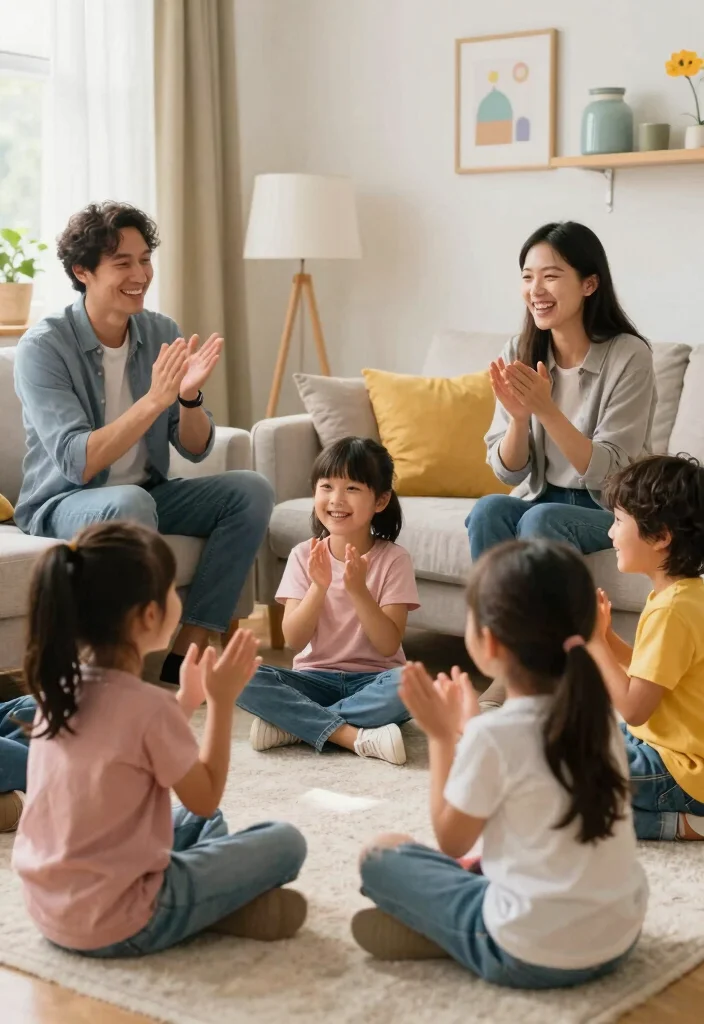
Positive reinforcement is a powerful way to encourage desirable behavior. When your children effectively handle conflicts or show empathy, praise them for their efforts. Recognition reinforces good behavior and motivates them to continue resolving issues amicably.
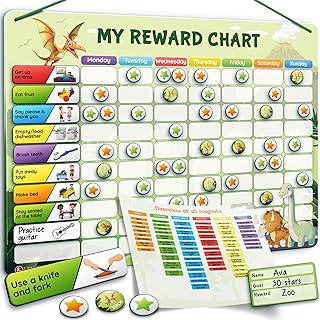
Be specific in your praise, saying things like, ‘I love how you shared your toys today,’ to help them understand what behaviors are appreciated. You might consider implementing a reward system for their successes, like family outings or extra playtime.
Effective methods for positive reinforcement:
– Keep a chart tracking positive conflict resolutions and rewards.
– Incorporate verbal praise into everyday conversations.
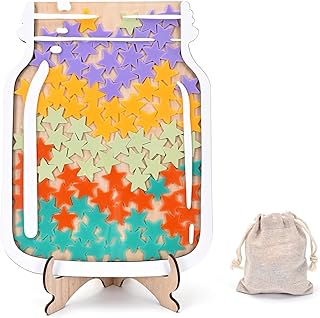
– Create a ‘kindness jar’ for notes of positive behavior.
Celebrating these moments strengthens constructive behavior and fosters a joyful family environment.
Positive Reinforcement
Editor’s Choice



How To Choose Positive Discipline Techniques for Peaceful Parenting
Choosing the right positive discipline techniques is crucial for fostering a harmonious environment at home. With a variety of approaches available, understanding what works best for your family can make all the difference. Here’s how to select the best techniques tailored to your parenting style and family dynamics.
1. Understand Your Family Values
Start by reflecting on your family’s core values. What do you want to instill in your children? Identifying values such as respect, kindness, or responsibility can guide your choices. Discuss these values with your partner or co-parent for a unified approach.
2. Assess Your Child’s Age and Development
Different age groups respond better to specific techniques. For toddlers, gentle guidance and simple choices work well. As children grow, they can handle more complex problem-solving methods. Tailoring your approach to their developmental stage ensures better understanding and cooperation.
3. Evaluate Sibling Dynamics
If you have multiple children, consider how conflict resolution techniques can address sibling rivalry. Techniques like role-playing or family meetings can help siblings learn to communicate effectively and resolve disputes. Observing their interactions can give you insights into which strategies might be most effective.
4. Choose Techniques That Fit Your Parenting Style
Every parent has a unique style. Some may lean toward authoritative methods, while others might prefer a more permissive approach. Select techniques that resonate with your values and feel comfortable for you to implement consistently. For example, if you prefer open communication, focus on techniques that encourage dialogue like family meetings.
5. Prioritize Flexibility and Adaptability
Situations can change, and what works today may not work tomorrow. Be prepared to adapt your techniques as your children grow and as family dynamics shift. Flexibility ensures you can respond effectively to new challenges or changes in behavior.
6. Consider Practicality and Time
Choose techniques that fit your family’s lifestyle. Some methods may require more time, like regular family meetings, while others can be integrated into daily routines with ease. Evaluate how much time you can realistically dedicate to implementing these techniques without overwhelming yourself.
Pro Tip: Start with one or two techniques that resonate with you and your children. Gradually introduce more as you see progress. This gradual approach helps prevent overwhelm and fosters a more harmonious transition to positive discipline in your home.
By considering these factors, you can effectively choose positive discipline techniques that encourage peaceful parenting and create a supportive environment for your children.
10. Seeking Professional Help When Necessary
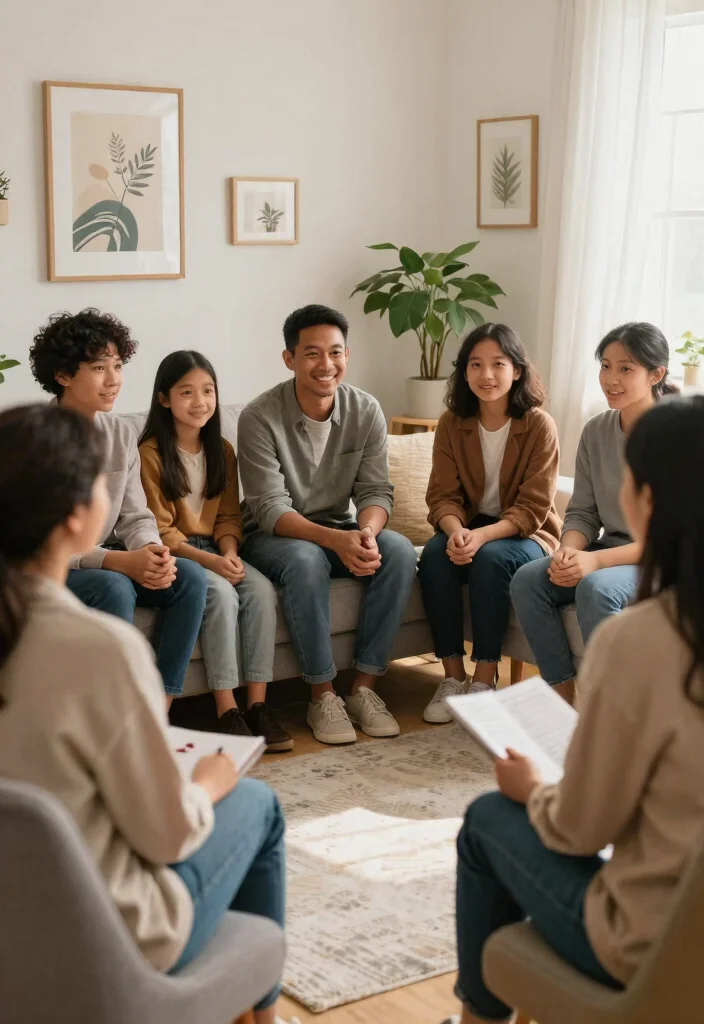
Sometimes, conflicts may need additional support to resolve. If certain issues persist despite your best efforts, seeking professional help can be beneficial. Family therapists or counselors offer valuable techniques tailored to your family’s unique dynamics.
Encourage your children to see this as a positive step toward healthier relationships rather than a sign of failure. Therapy can provide a safe space for them to express their feelings and learn conflict resolution skills in a supportive environment.
Steps to seek professional help:
– Research local family therapists or parenting specialists.
– Approach the topic sensitively, focusing on growth and improvement.
– Maintain open communication throughout the process.
Recognizing when to seek help teaches your children that reaching out for support is a sign of strength, reinforcing resilience and positive discipline.
Conclusion
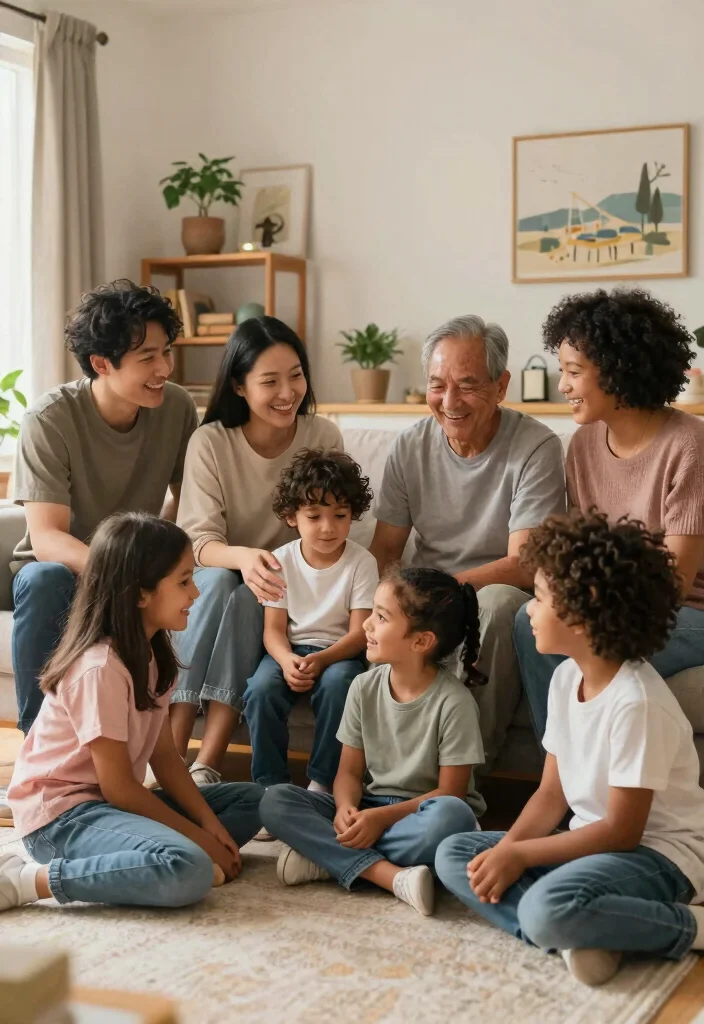
Embracing conflict resolution techniques within your parenting journey can lead to a more harmonious family life. Each of these strategies not only aids in resolving conflicts but also fosters valuable life skills in your children, paving the way for positive relationships in their futures.
As you implement these methods, remember that patience and practice go hand in hand with progress. Here’s to nurturing a loving environment where understanding and cooperation thrive!
Note: We aim to provide accurate product links, but some may occasionally expire or become unavailable. If this happens, please search directly on Amazon for the product or a suitable alternative.
This post contains Amazon affiliate links, meaning we may earn a small commission if you purchase through our links, at no extra cost to you.
Frequently Asked Questions
What are the most effective Positive Discipline Techniques for resolving conflicts at home?
Positive discipline techniques focus on teaching and guiding rather than punishing. Start with a calm moment, name the feeling, and state the problem. Then invite your child to participate in problem-solving to reach a respectful solution. Finally, agree on a solution and follow up to reinforce learning and accountability.
For ongoing peace in the home, practice brief family meetings, model empathy, and celebrate small wins.
How can problem-solving help reduce sibling rivalry and build cooperation?
Problem-solving can dramatically reduce sibling rivalry when both children feel heard. A practical approach: let each child share their perspective, identify the shared goal (e.g., ‘play nicely before dinner’), brainstorm several solutions, pick one together, and test it. Set ground rules for respectful talk and equal participation. If conflicts recur, use a quick Positive Discipline Techniques reminder to pause and switch to a calm-down moment, then revisit the discussion.
What practical steps can I take to implement conflict-resolution routines with kids of different ages?
Create age-appropriate conflict-resolution routines to keep consistency. Try these steps: 1) Pause the argument with a calm-down cue; 2) Have a brief feelings check; 3) State the problem and the needs; 4) Brainstorm solutions together; 5) Pick one solution and set a simple check-back. Use a calm-down corner for younger kids and a short family meeting for older kids, and schedule regular check-ins to reinforce these skills.
With practice, these routines become natural parts of daily life.
How can I set clear expectations and appropriate consequences using Positive Discipline Techniques without escalating conflicts?
Start with clear, positively worded rules posted in a visible area. Tie consequences to specific actions using natural or logical outcomes, not punishment. Offer choices to preserve autonomy and use time-ins (instead of raw time-outs) when a break is needed. After a disagreement, calmly review what happened and plan a better approach next time, reinforcing learning rather than blame.
What are simple everyday phrases that encourage calm communication and effective problem-solving during disagreements?
Use phrases like ‘I feel upset because…, let’s figure out a solution together,’ or ‘What do you think would help right now?’ Aim for neutral tone, validate feelings, and invite collaboration. Model turn-taking and active listening, then summarize the agreed plan and check back later to ensure it worked.
Related Topics
positive discipline
conflict resolution
peaceful parenting
sibling rivalry
problem-solving techniques
effective communication
parenting tips
family dynamics
stress-free parenting
beginner friendly
easy strategies
behavior management



I love the idea of using humor to diffuse a situation! Last week, I accidentally made a funny face during a disagreement, and we both ended up laughing instead of arguing. Why did the kid bring a ladder to the bar? Because they heard the drinks were on the house!