
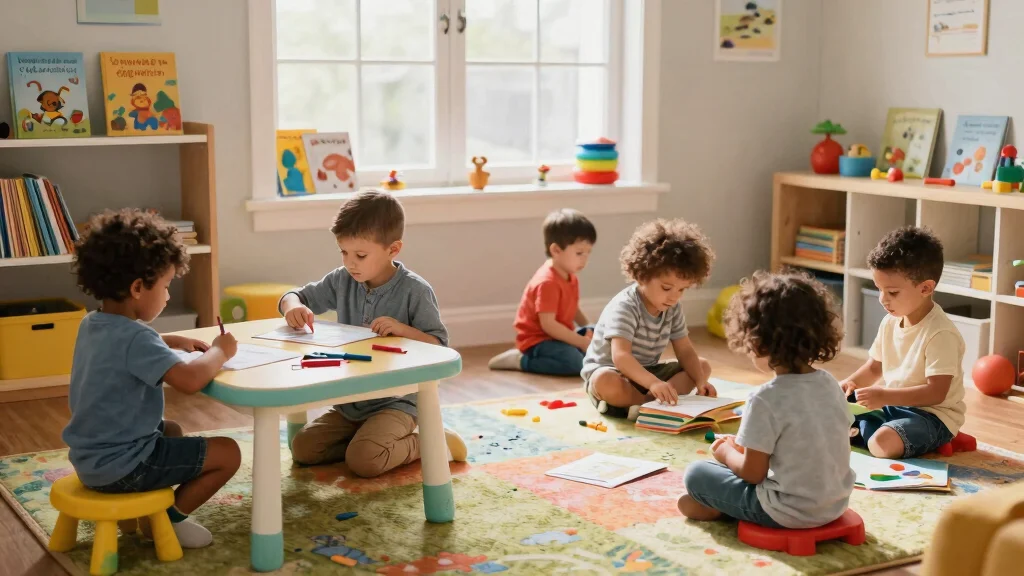

In today’s fast-paced world, the foundation of your child’s reading success starts early. This topic has me thinking about all the fun and effective ways we can nurture early literacy. If you’re a parent eager to guide your little one toward becoming a confident reader, you’re in the right place. The journey to reading doesn’t have to be a chore; it can be a delightful adventure filled with play and creativity.
This post is designed for parents and caregivers who want to engage their kids in simple, effective early literacy activities. You may find yourself searching for ways to make learning fun or wondering how to support your child’s reading journey. Look no further! I’ve pulled together 16 fantastic activities that are not only enjoyable but also effective for helping your child develop essential reading skills. These activities will lay a strong foundation for your child’s literacy skills in a way that’s engaging and memorable.
Let’s dive into these 16 simple early literacy activities that will prepare your child for reading success, with a special surprise at number 10 that will truly amaze you! Your child will be laughing, creating, and, most importantly, learning every step of the way.
Key Takeaways
– Engaging Activities: Each of the 16 activities is designed to engage your child’s interest and make learning fun. From treasure hunts to puppet shows, these ideas are sure to capture their imagination.
– Focus on Basics: Many of these activities emphasize fundamental skills like letter recognition, sound identification, and vocabulary building, which are crucial for early literacy.
– Creative Learning: The activities blend creativity with education. Kids can express themselves through crafts, stories, and music while they learn to read.
– Parental Involvement: These activities encourage parents to participate, creating bonding moments while also reinforcing learning at home. Your involvement can significantly impact your child’s literacy development.
– Flexible and Accessible: Most activities require simple materials that you likely already have at home, making them easy to implement without any major preparation or expense.
1. Alphabet Treasure Hunt
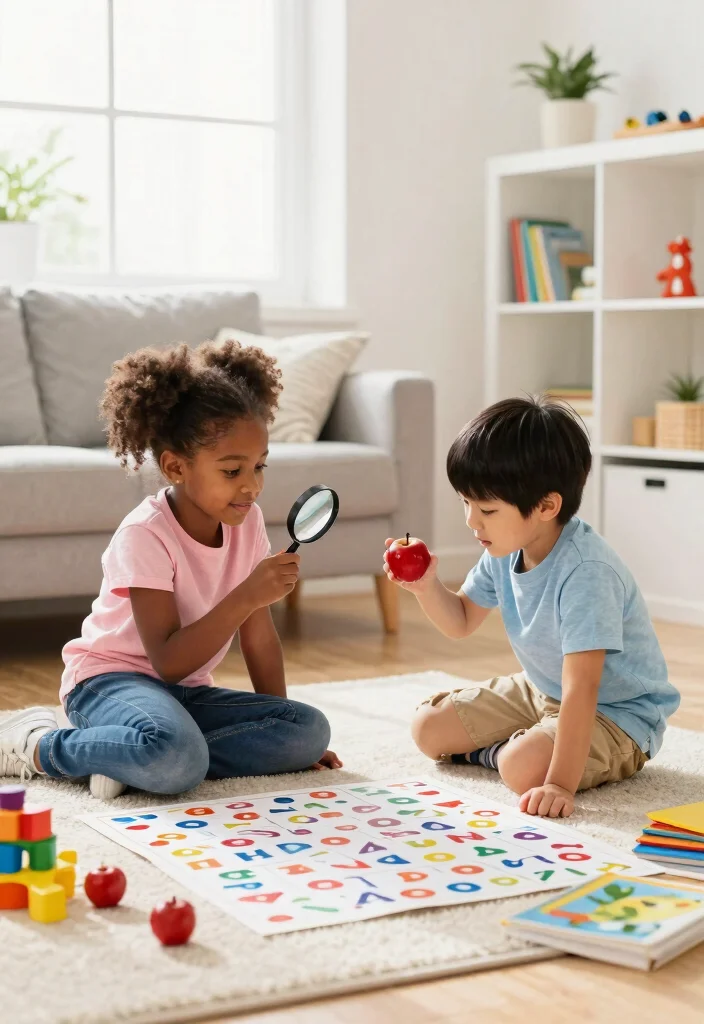
Turn learning into an exciting adventure with an Alphabet Treasure Hunt! This activity invites kids to recognize letters while having fun searching around your home or yard for items that start with each letter of the alphabet. Imagine the thrill of finding ‘A’ for apple or ‘B’ for ball as they explore! This playful approach not only reinforces letter recognition but also boosts their vocabulary in an engaging way.
Start by making a list of the alphabet. As your child discovers objects for each letter, encourage them to say the words out loud. This active participation enhances their memory and learning experience.
Key steps for a successful treasure hunt:
– Set a timer to increase excitement.
– Use clues for each letter to guide their search!
– Capture the finds with photos to create a fun scrapbook.
This activity promotes physical movement, observation skills, and fosters an awareness of their surroundings while they hunt for alphabetical treasures!
2. Storytime Theater
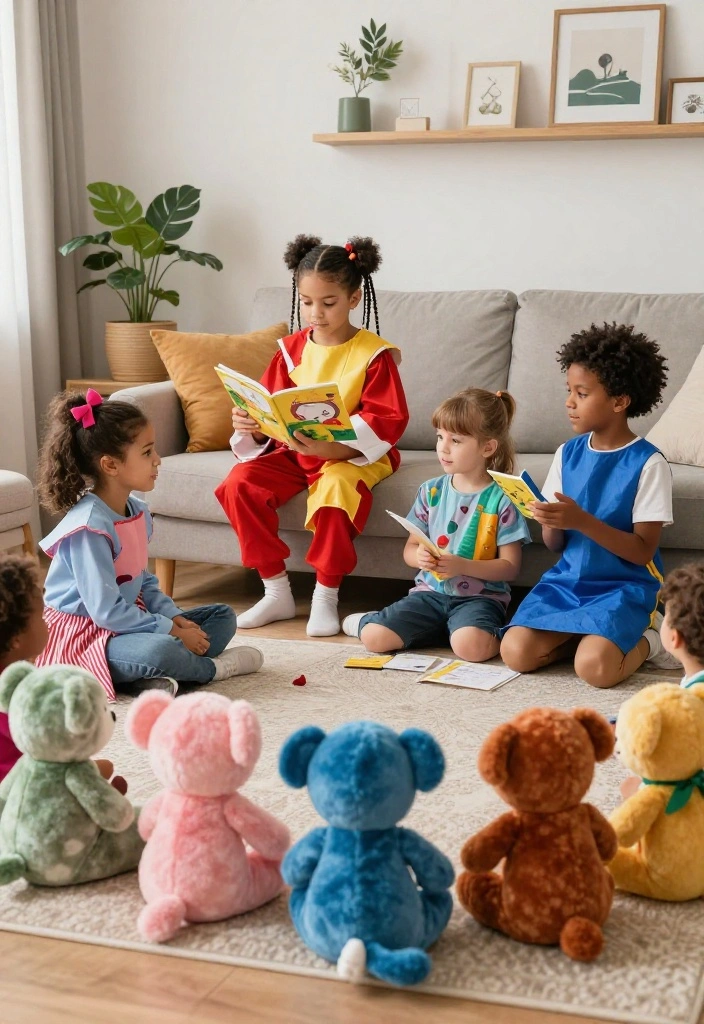
Transform your living room into a stage with Storytime Theater! This delightful activity encourages kids to express their creativity while acting out their favorite stories. Picture them embodying beloved characters and bringing tales to life! This not only enhances their comprehension but also sparks vibrant discussions about plot and emotions.
Choose a book your child loves and reimagine it through role-play. Assign characters and use simple household items to create costumes. Ask questions during their performance to deepen their understanding and engagement.
Tips for a captivating experience:
– Use silly voices for each character to make it entertaining.
– Allow your child to improvise and add their unique twist to the story.
– Record the performance to enjoy together later, creating lasting memories!
Storytime Theater nurtures a passion for literature while building social skills and self-confidence in your child.
Fun fact: when kids act out stories with simple props as part of Early Literacy Activities, comprehension can improve by 25-40% after just one week of Storytime Theater. A little role-play goes a long way for vocabulary and empathy.
3. Rhyming Scavenger Hunt
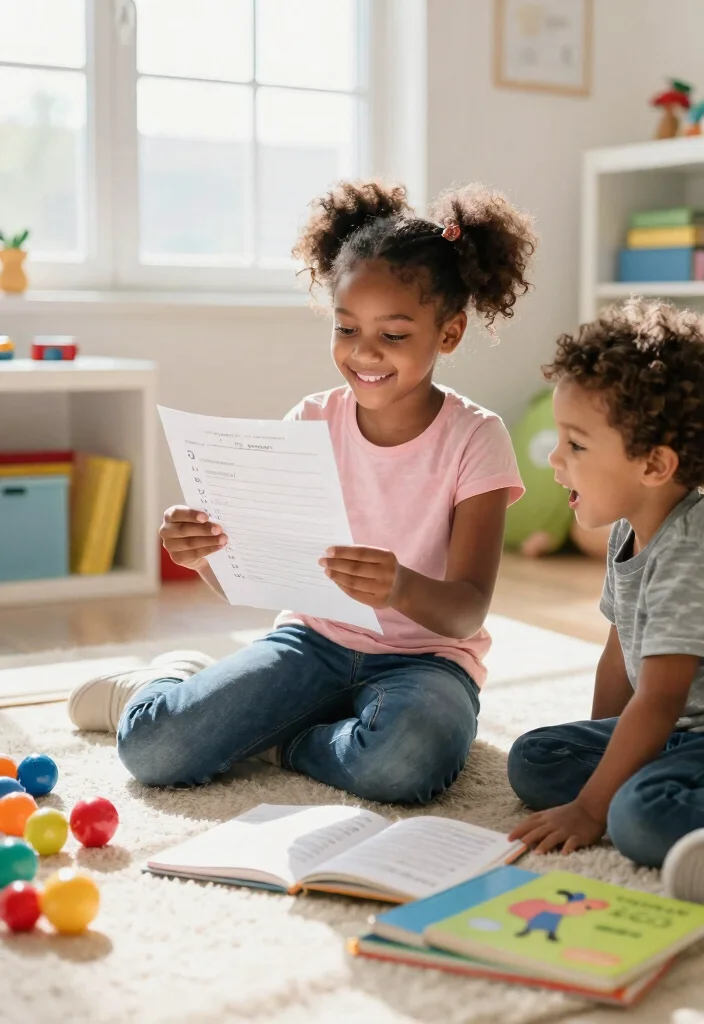
Get ready to rhyme and roam with a Rhyming Scavenger Hunt! This interactive activity promotes phonemic awareness, crucial for reading success. Imagine your child searching for items that rhyme, like finding ‘hat’ for ‘cat’—it’s a learning adventure! This exploration encourages them to think critically about sounds while they discover their surroundings.
Create a list of simple words and challenge your child to find corresponding objects around the house. Share fun rhymes or songs as they collect each item to reinforce their learning.
Exciting ideas for added fun:
– Turn it into a friendly competition with siblings or friends!
– Use a timer to keep the energy high.
The Rhyming Scavenger Hunt makes learning engaging and taps into your child’s natural curiosity, ensuring they have a blast while developing essential literacy skills.
4. Crafty Letters
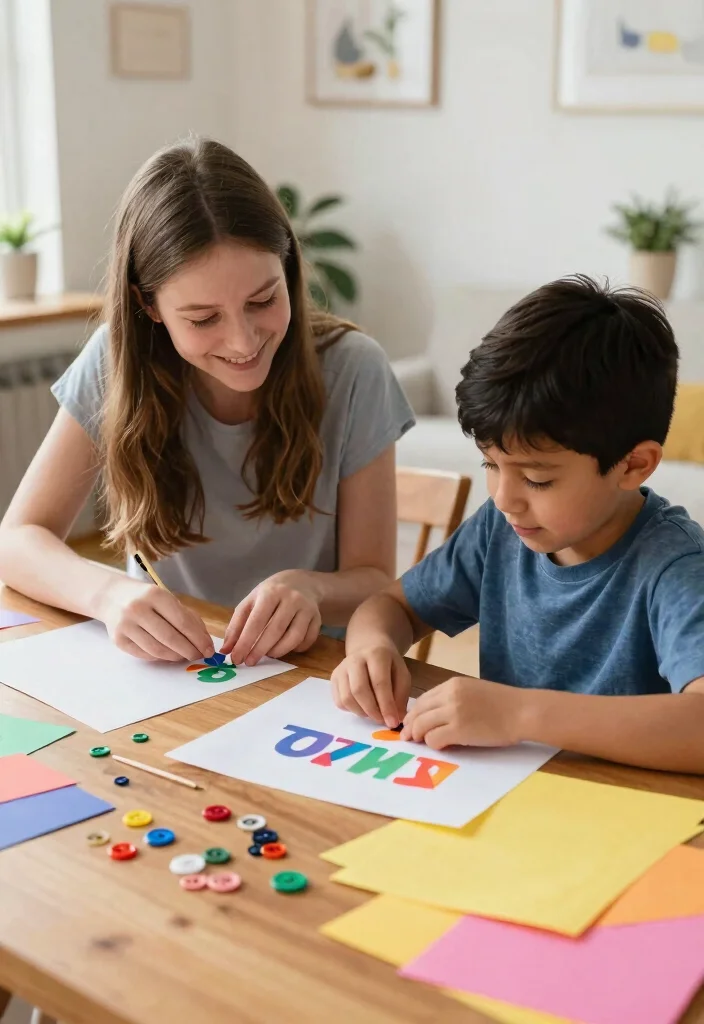
Unleash your child’s creativity with Crafty Letters! This hands-on activity allows kids to create letters using a variety of materials, enhancing their fine motor skills and letter recognition. Visualize them crafting letters from colored paper, fabric, or even nature items like leaves! This tactile approach helps them understand letters and sounds while letting their imaginations soar.
Gather materials such as buttons, stickers, and paper. Challenge your child to form each letter of the alphabet using these resources—like crafting ‘A’ from an apple sticker. This creative experience reinforces their learning effectively.
Activities to enhance Crafty Letters:
– Encourage your child to name objects starting with each letter they create.
– Display their letters around the house as colorful learning decor!
– Combine this with stories or songs that involve the alphabet.
Crafty Letters nurtures creativity and makes learning dynamic and enjoyable!
Crafty Letters
Editor’s Choice




5. Sensory Letter Play
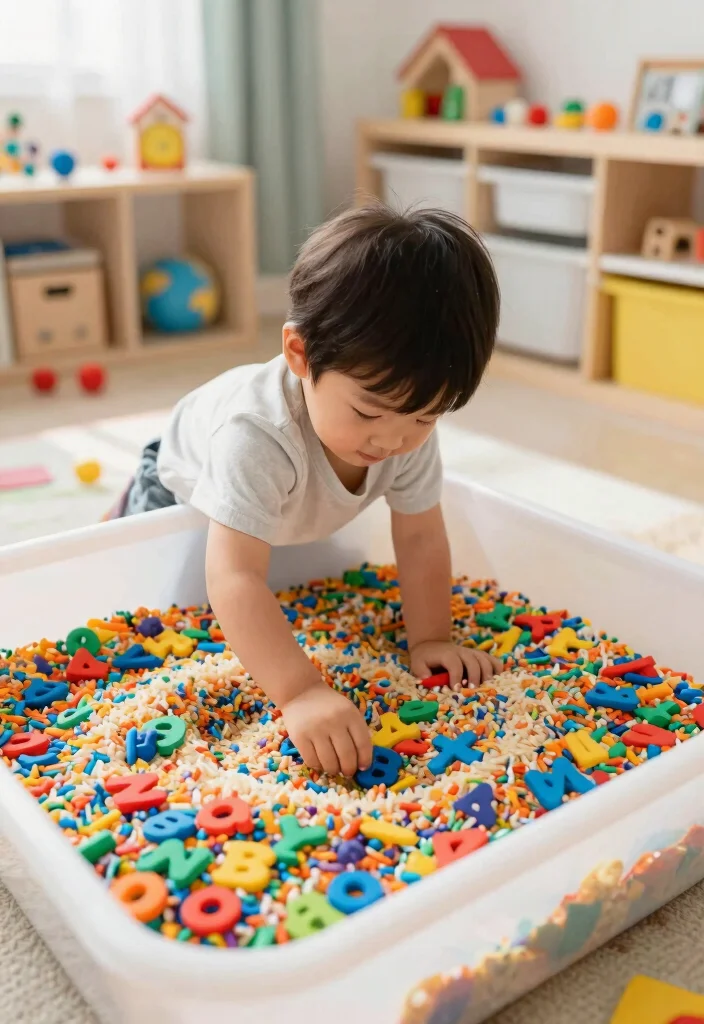
Sensory exploration is a fantastic way to learn letters and sounds with Sensory Letter Play! This hands-on activity engages children’s senses while reinforcing important literacy skills. Imagine a sensory bin filled with rice or sand, where your child can discover hidden letter objects! This playful approach makes learning both fun and immersive.
Create a sensory bin filled with materials like beans, and hide various letters within. Encourage your child to dig through and identify each letter while pronouncing its sound. You can also incorporate sandpaper or foam letters for added tactile reinforcement.
Tips for a memorable sensory experience:
– Introduce themed bins, like a beach or garden, for seasonal fun.
– Pair this activity with related stories to enhance their understanding.
– Use letter stamps to make impressions in the sensory material for extra engagement!
Sensory Letter Play connects literacy with sensory exploration, making learning as enjoyable as it is educational!
6. Letter Art Collage
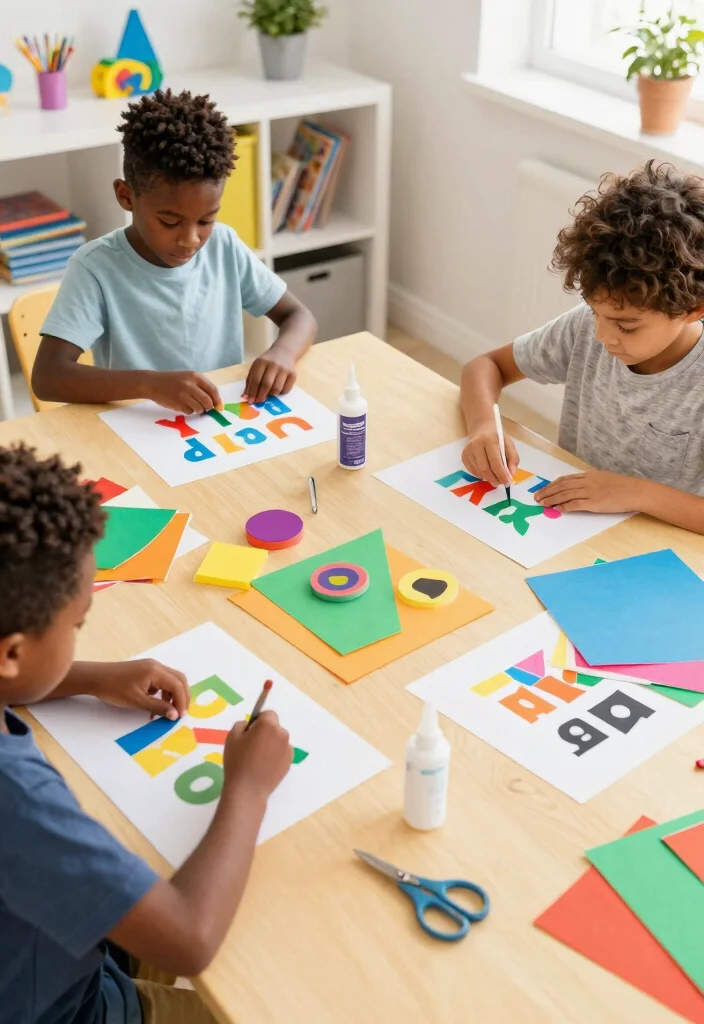
Foster creativity and literacy simultaneously with Letter Art Collage! This activity blends art with learning by allowing children to create collages of letters using various craft supplies. Picture them gathering colorful materials and designing unique letter representations! This creative process reinforces their understanding of letters while making it visually appealing.
Start by selecting a few letters to focus on. Gather magazines, colored paper, and markers for your child to use. Encourage them to find or create images representing each letter, like using an apple for ‘A’. As they craft their collages, discuss the sounds and words associated with each letter.
Ideas for a successful collage:
– Display the finished artwork around the house to celebrate their creativity!
– Use the collages as prompts for storytelling, letting kids weave their own tales.
Letter Art Collage encourages children to express themselves while reinforcing key literacy skills in an engaging way!
📹 Related Video: How to create Canva Number Photo Collage Canva Letter Photo collage, Multiple frames Canva Tutorial
7. DIY Storybooks
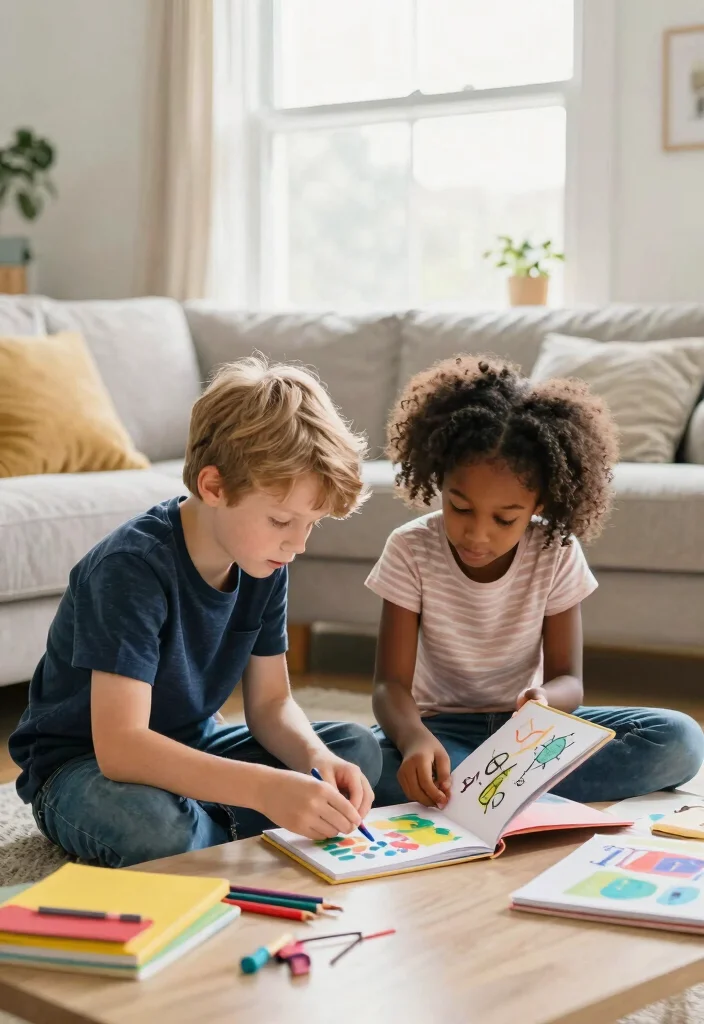
What’s more personal than a story written and illustrated by your child? DIY Storybooks allow little ones to express their thoughts while developing storytelling skills. Imagine them creating their own tales filled with imagination and creativity! This process fosters their writing abilities and understanding of narrative structure.
Provide blank paper, markers, and their favorite art supplies. Encourage your child to illustrate each page or dictate a story for you to write. This is a wonderful way to practice writing while embracing their creativity.
Tips to enhance the experience:
– Read their completed storybook together, discussing the plot and characters.
– Consider binding the pages for a special keepsake.
– Share their stories with family or friends to boost their confidence!
Crafting DIY Storybooks nurtures creativity and literacy while creating cherished memories.
Fun fact: when kids create their own storybooks, they spend 10–15 minutes drawing and dictating each page as part of early literacy activities. Progress in storytelling shines in just a week. Little pages, big confidence!
You might also like
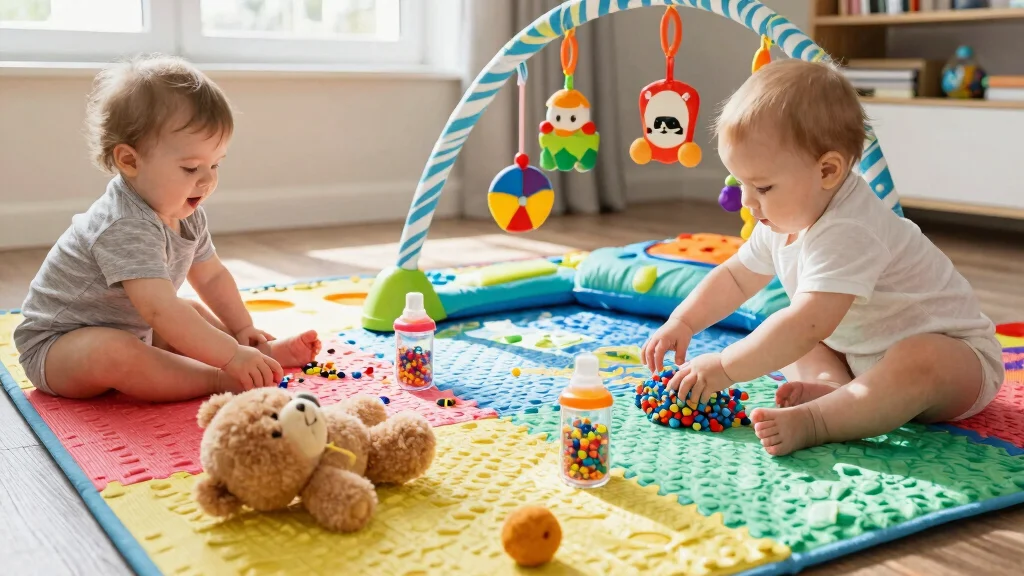
12 Sensory Play Activities Every Baby Will Love (Prepare for Giggles at #5!) – MomBlush

16 Interactive Gifts for Babies Under 1 That Keep Little Ones Engaged (Wait Until You See #7!) – MomBlush
8. Sound Sorting Bowls
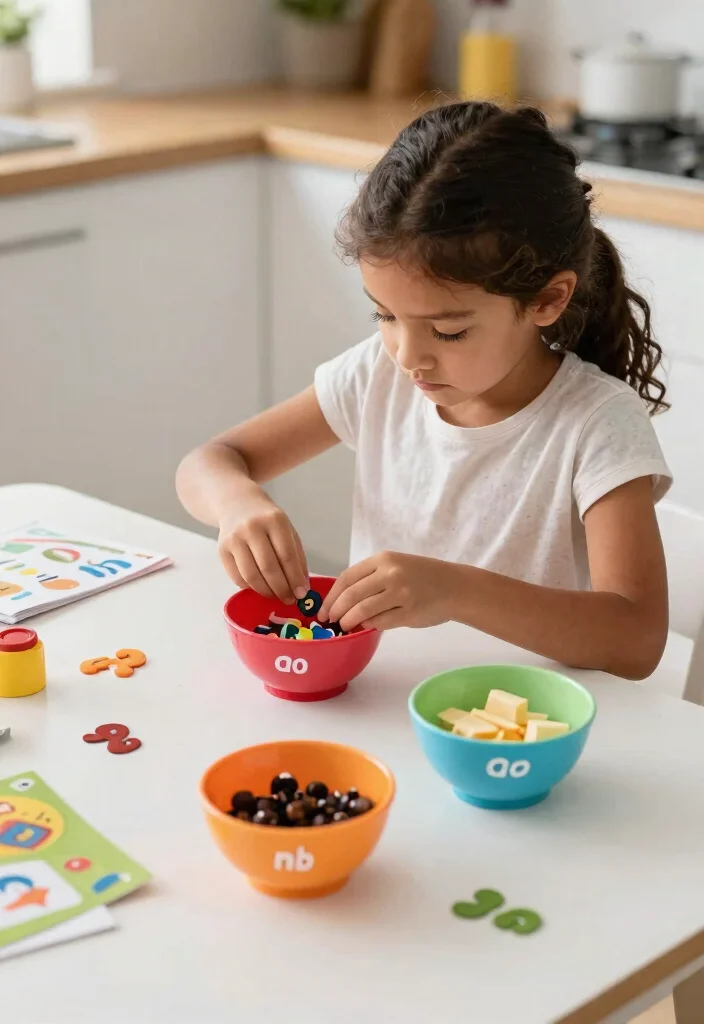
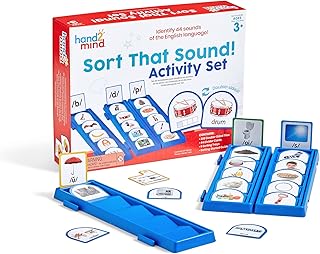
Make learning phonics fun with Sound Sorting Bowls! This interactive activity helps kids practice listening skills while understanding letter sounds through hands-on sorting. Visualize colorful bowls filled with objects as your child sorts them by sound—it’s both educational and entertaining! This tactile experience makes phonics come alive.
Gather bowls and label them with different sounds or letters (like ‘S’, ‘B’, ‘T’). Collect small items that correspond to the sounds, and encourage your child to sort them into the right bowls. For instance, the ‘S’ bowl can include a star, spoon, and sock.
Creative ideas for customization:
– Use vibrant bowls to make sorting visually appealing!
– Expand to include vowel sounds or blends for older kids.
– Integrate storytelling to connect sounds and words.
Sound Sorting Bowls make phonics interactive, reinforcing essential literacy skills in a playful manner!
Sound Sorting Bowls
Editor’s Choice


9. Puppet Show Stories
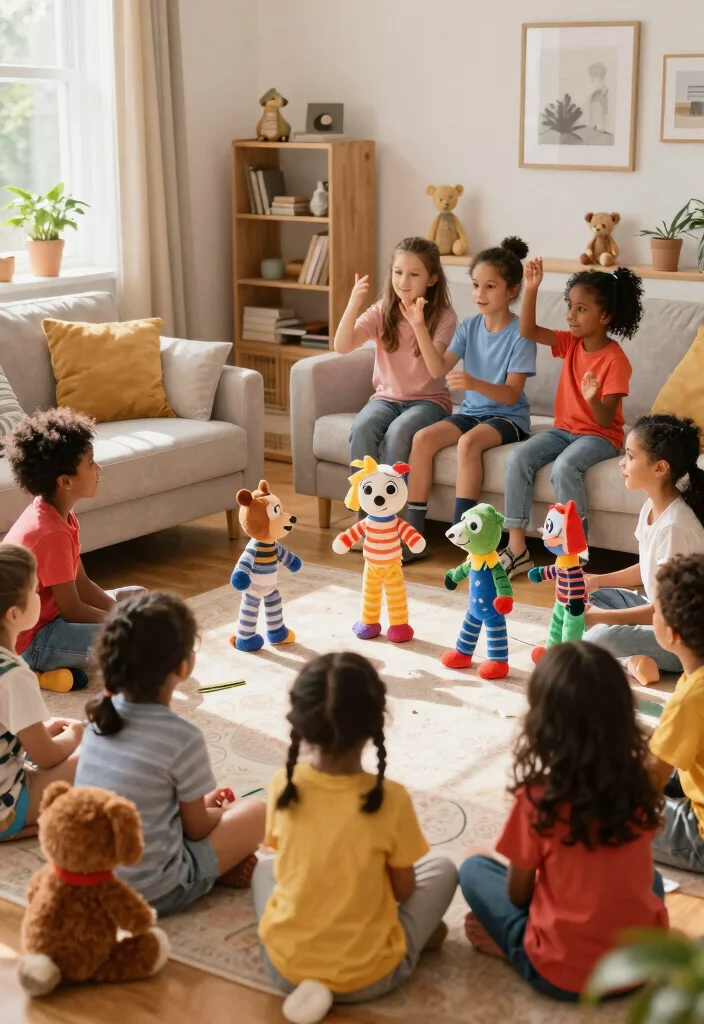
Bring stories to life through Puppet Show Stories! This delightful activity encourages creativity while enhancing comprehension and oral language skills. Picture your child making puppets from socks or bags to act out their favorite stories—it’s a wonderful blend of fun and learning! This hands-on approach fosters social skills and collaboration.
Help your child create puppets of beloved characters, then prompt them to retell the story using their creations. This can be a solo activity or involve friends, enhancing their social interactions.
Additional engagement suggestions:
– Record their puppet show for family viewing later.
– Change up stories and themes to maintain excitement!
– Let your child create their own storylines, encouraging imaginative play.
Puppet Show Stories blend art with literacy in a playful way, captivating young minds!
How To Choose Early Literacy Activities for Your Child
Choosing the right early literacy activities for your child can set the foundation for their reading success. With so many options available, it’s essential to select activities that are both engaging and beneficial. Here are some key criteria to help you make the best choices:
1. Age Appropriateness
Consider your child’s age and developmental stage. Activities that are too advanced may frustrate them, while those that are too simple could bore them. For example, younger children often enjoy sensory play with letters, while older toddlers may thrive in interactive storytime sessions. Tailoring activities to their age ensures better engagement and more effective learning.
2. Variety of Skills
Look for activities that target different literacy skills, such as phonemic awareness, vocabulary development, and comprehension. A well-rounded approach helps build a solid literacy foundation. For instance, a rhyming scavenger hunt can boost phonemic awareness while a DIY storybook can enhance storytelling and comprehension skills. Mixing activities keeps things fun and fresh for your child!
3. Engagement Level
Choose activities that capture and hold your child’s interest. The more engaged they are, the more they will want to participate. Interactive options like puppet show stories or storytime theater can be particularly captivating. Observe your child’s reactions and adjust accordingly. If they show excitement for a specific type of activity, lean into that for future choices!
4. Ease of Implementation
Select activities that are simple to set up and don’t require extensive materials. Busy parents appreciate activities that can be done with everyday items around the house. For example, a letter art collage can be created using scraps of paper, old magazines, or even natural materials collected during a nature walk. Being able to quickly implement these activities will make it easier for you to incorporate them into your routine.
5. Inclusivity
Consider activities that can accommodate diverse learning styles and abilities. Activities that allow for different levels of participation can be more beneficial. For instance, cooking with words can engage children who love hands-on experiences, while also appealing to those who are more visual or auditory learners. Look for adaptability in activities so that every child can thrive.
6. Fun Factor
Finally, prioritize fun! Literacy activities should be enjoyable for both you and your child. Activities with a playful element, like musical alphabet songs, tend to keep children engaged longer. When you make learning fun, your child will develop a positive attitude toward reading and literacy, setting the stage for lifelong learning.
Pro Tip: Involve your child in the selection process! Letting them choose from a few options can increase their enthusiasm and commitment to the activities. You can create a small “activity jar” where they can draw ideas each week. This not only adds to the excitement but also encourages decision-making skills.
10. Interactive Reading with Tech

#10 will amaze you! Embrace technology with Interactive Reading! This modern approach to literacy uses apps and e-readers to make reading more engaging for kids. Imagine your child exploring phonics and comprehension through fun games and animations—it’s a whole new world of learning! This method makes reading a multi-sensory experience.
Choose age-appropriate reading apps that promote essential skills through interactive story elements. Incorporate e-books that allow your child to touch pictures to hear sounds or voices, enhancing their reading experience.
Tips for balanced tech usage:
– Set time limits for a healthy balance of screen time and traditional reading.
– Discuss stories read on devices to reinforce comprehension.
– Explore apps that encourage creativity, like writing their own stories!
Interactive Reading combines traditional and modern methods, making literacy exciting and relevant for today’s tech-savvy kids!
Interactive Reading with Tech
Editor’s Choice


11. Memory Game with Words
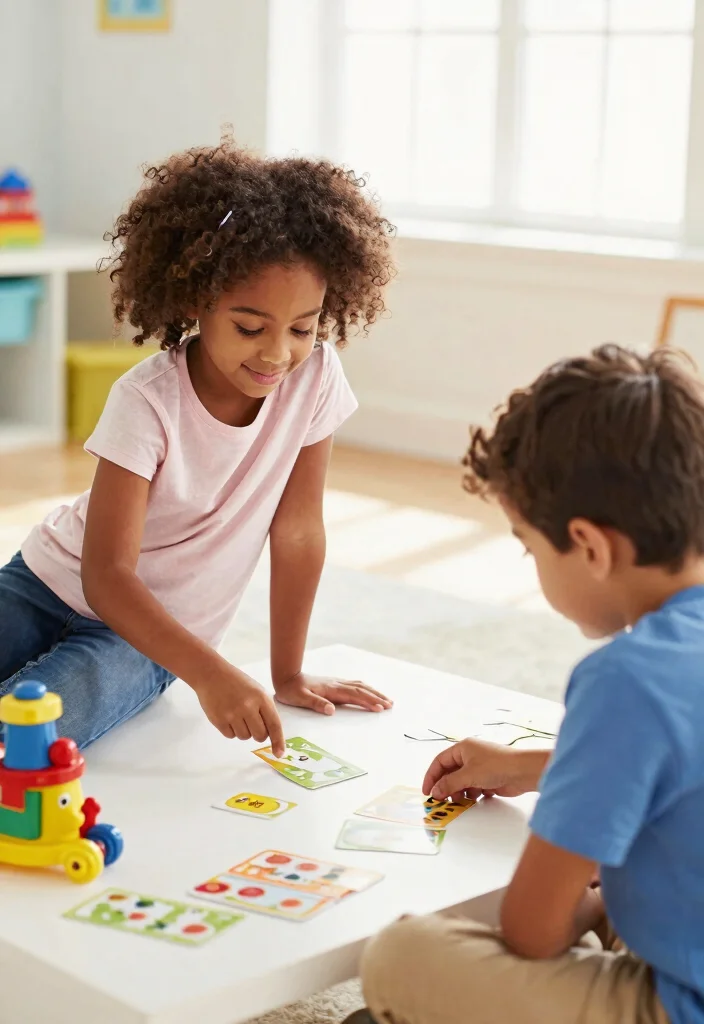
Enhance vocabulary and memory with a Memory Game using words! This classic game can be adapted to boost literacy skills effectively. Visualize your child flipping over cards to find matching pairs of words or images—it’s a fun way to learn! This game enhances word recognition while sharpening memory.
Create cards with matching pairs and spread them face down. Take turns flipping two cards, attempting to find matches. When a match is made, the player keeps the cards and takes another turn. This engaging play helps children learn while they enjoy themselves.
Fun variations to try:
– Use sight words or vocabulary from recent stories.
– Introduce a timer for added excitement and quick thinking!
– Include rhyming words for extra phonics practice.
The Memory Game with Words fosters literacy in a playful way, reinforcing essential skills in an enjoyable environment!
12. Nature Letter Exploration
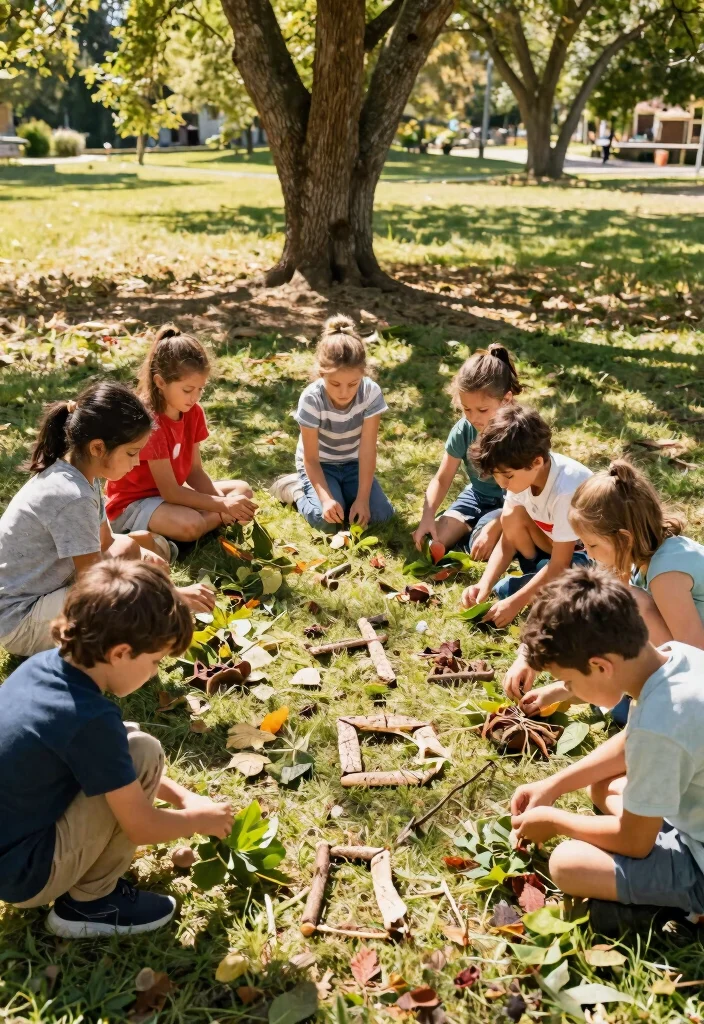
Get outside and explore with Nature Letter Exploration! This outdoor activity connects literacy with nature, making learning vibrant and fun. Imagine your child collecting leaves, sticks, and stones during a nature walk! This hands-on experience reinforces letter recognition while encouraging observation of their surroundings.
Encourage your child to gather natural items and help them arrange these into letters of the alphabet once you’re back home. This tactile approach makes learning letters exciting and interactive.
Tips for enhancement:
– Use this activity as a storytelling prompt related to nature.
– Challenge them to create words with their collected items for added fun.
– Discuss the shapes and textures of the objects found to deepen their understanding.
Nature Letter Exploration blends physical activity and creativity with essential literacy skills, making it a delightful learning experience!
Fun fact: Nature-based Early Literacy Activities boost letter recall. In just 15 minutes of Nature Letter Exploration, kids collect leaves and stones and arrange them into alphabet letters, turning a nature walk into a hands-on literacy session.
You Might Also Like
10 Creative Activities That’ll Supercharge Your Baby’s Cognitive Growth (You Won’t Believe #7!) – MomBlush

14 Fun Baking Recipes to Make with Your Toddler (You Won’t Believe How Easy #6 Is!) – MomBlush
13. Letter Hunt with Magnifying Glasses

Turn an ordinary day into an extraordinary letter hunt! This activity combines adventure with learning, making literacy exciting. Picture your child equipped with a magnifying glass, searching for letters around the house or yard—it’s an exciting quest! This hands-on approach fosters curiosity and engagement.
Provide a list of letters for your child to find in everyday objects or hide letters for them to discover. As they locate each letter, have them identify its sound and think of words that begin with it.
Engagement tips:
– Use colorful lists to add excitement.
– Create a scavenger theme based on a favorite story or character.
– Celebrate their discoveries with cheers after each find!
The Letter Hunt with Magnifying Glasses transforms literacy into an exciting exploration journey!
14. Cooking with Words

Combine learning with cooking through Cooking with Words! This delicious activity enhances literacy skills as kids follow recipes. Imagine the fun of reading ingredients and instructions together while preparing a meal! This practical application of reading builds confidence while teaching about measurements and directions.
Choose a simple recipe that your child can assist with, and read through the steps together. Encourage them to recognize and sound out the words as they cook. This interactive experience makes learning enjoyable and tasty.
Tips for tasty learning experiences:
– Start with fun recipes like homemade pizza or cookies for added excitement!
– Discuss new cooking vocabulary and ingredients.
– Taste-test different ingredients and describe their flavors and textures.
Cooking with Words combines literacy with life skills, creating a fun, engaging, and educational experience!
Cooking with Words
Editor’s Choice


15. Musical Alphabet Songs
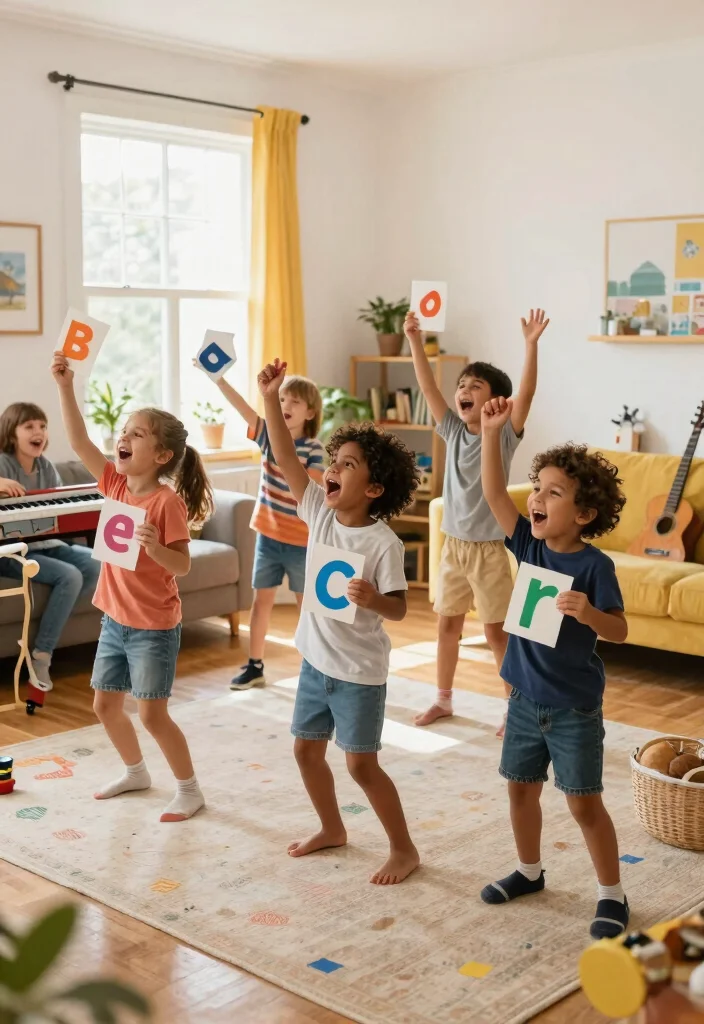
Make learning the alphabet lively with Musical Alphabet Songs! Music is a powerful tool for literacy, and this activity combines rhythm and content for effective learning. Imagine singing catchy alphabet songs together while dancing—it’s a joyful way to learn! This rhythmic approach aids in memory retention.
Choose catchy alphabet songs or create original tunes that incorporate letters and sounds. Sing along and encourage kids to dance or play instruments, making the learning process even more engaging.
Enhancements to consider:
– Use props like letter cards or toys to accompany the music.
– Include actions for each letter, combining physical activity with learning.
– Challenge them to create their own alphabet songs for an added twist!
Musical Alphabet Songs make learning fun, rhythmic, and memorable, leaving lasting impressions of the alphabet!
16. Book Club for Kids
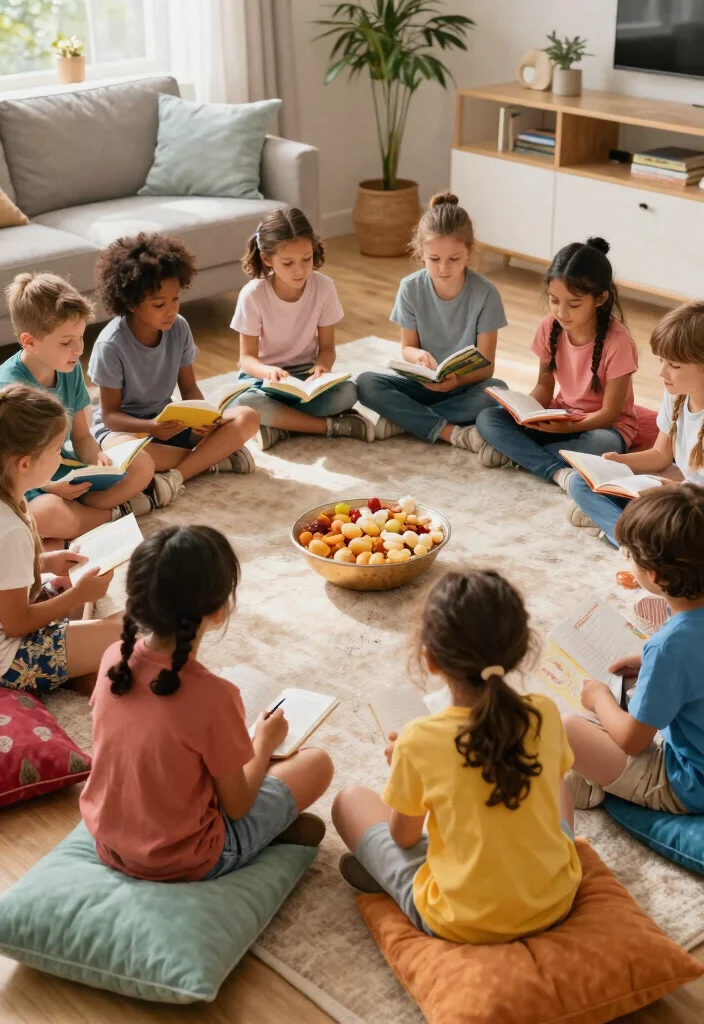
Cultivate a love for reading with a Book Club for Kids! This engaging activity encourages discussion and comprehension while allowing children to share their favorite stories with peers. Imagine playdates or group meetings where kids discuss books they love—it’s a wonderful way to build community! This social interaction enhances their understanding and respect for differing opinions.
Arrange meetings where kids can select and read a book beforehand. During the meeting, foster discussions about the story and characters, improving their comprehension skills.
Ideas for a successful book club:
– Provide snacks related to the story for added fun!
– Include themed crafts or activities to keep kids engaged.
– Rotate book choices to introduce various genres and authors.
A Book Club for Kids nurtures a lifelong passion for reading and provides a supportive community for young readers!
Book Club for Kids
Editor’s Choice


Conclusion
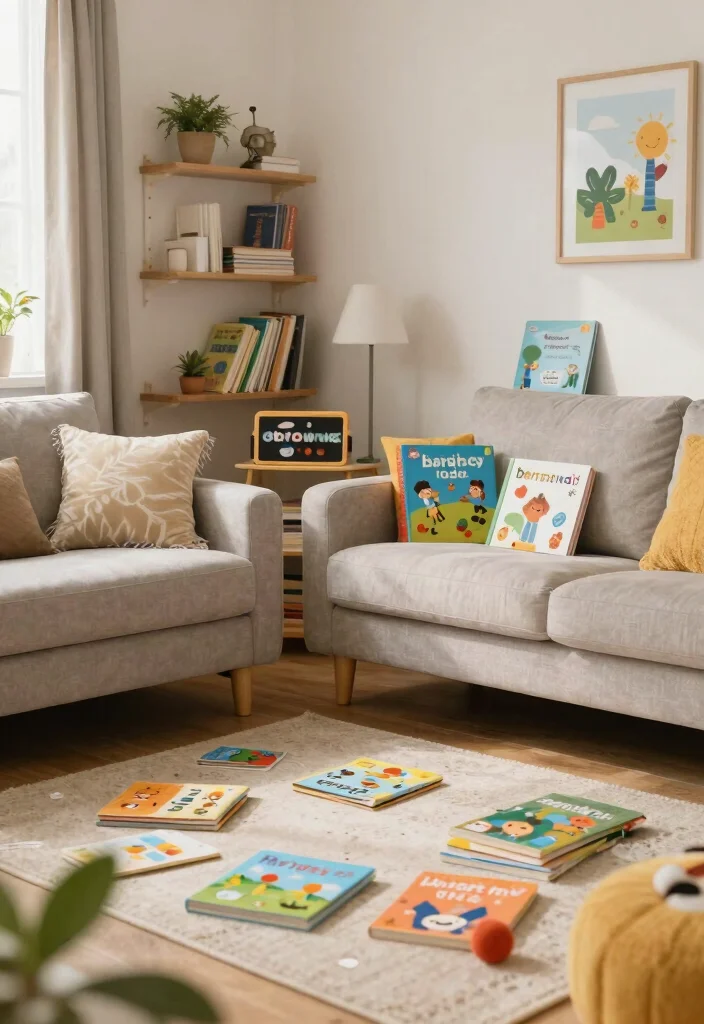
Exploring these 16 simple early literacy activities opens a world of fun learning experiences for your child. Each activity not only nurtures essential reading skills but also strengthens the bond between you and your little one.
As you embark on this journey together, consider mixing and matching these activities to suit your child’s interests and learning style. The joy of reading is best discovered through exploration and creativity, so let your child’s imagination soar!
Note: We aim to provide accurate product links, but some may occasionally expire or become unavailable. If this happens, please search directly on Amazon for the product or a suitable alternative.
This post contains Amazon affiliate links, meaning we may earn a small commission if you purchase through our links, at no extra cost to you.
Frequently Asked Questions
What are some simple early literacy activities to prepare your child for reading success?
There are plenty of simple early literacy activities you can do at home to set up reading success with kids. Try these quick ideas:
Read aloud daily and point to words to connect spoken and written language.
Do name tracing and alphabet letter games to build letter recognition.
Play rhyming games and short finger-plays to boost phonemic awareness.
Use picture storytelling with a familiar photo or a favorite book to build narrative skills.
Hunt for letters and signs around your home to strengthen print awareness. Then keep sessions short (about 5-15 minutes) and fun, 3-5 times per week. Track progress with a simple photo chart or checklist so you can celebrate small wins together.
Which early literacy activities are most effective for developing letter recognition and phonemic awareness?
To maximize impact, choose activities that build early literacy skills: phonemic awareness, letter-sound knowledge, print awareness, and vocabulary. Effective options include:
Sound matching games (is this word starting with /b/?),
Letter-sound bingo and small alphabet puzzles,
Alphabet crafts and label-your-world activities (name tags, room signs),
Rhymes, finger plays, and alliteration,
Multisensory letter writing (sand, salt, or shaving foam) and sand-tray tracing. Keep instructions simple, offer easy wins, and provide plenty of practice in short sessions.
How often should I do these early literacy activities with my child to see progress?
Consistency beats intensity. Aim for 5–15 minute sessions, 3–5 times a week, integrated into daily routines. Build a rotating plan of 4–5 activities and swap them weekly to keep it fresh. Track progress with a simple checklist or photo journal. Celebrate small wins, like recognizing a new letter or noticing a sound in a word. Remember, simple, effective early literacy activities work best when they’re playful and low-pressure.
Are these activities suitable for kids with different learning styles or abilities?
Yes. All kids can benefit from early literacy activities, but adaptation is key. Use multisensory options (visuals, sounds, touch), pace things slowly, and offer choices. Provide assistive tools like letter magnets or tactile letters, and adjust difficulty by using shorter words or easier books. Collaborate with a pediatrician or teacher if needed. The goal is to keep it inclusive, engaging, and kid-centered.
How can I turn these early literacy activities into everyday moments without turning learning into a chore?
Make it fun and seamless by weaving literacy into daily life. Create a ‘letter of the day’ during breakfast, label household items, read signs on the way to play, sing alphabet songs during car rides, and tell stories about your day. Use quick wins like a 5-minute story before nap, or a short printable activity after dinner. The trick is to keep it simple and enjoyable so your child stays motivated and curious about reading.
Related Topics
early literacy activities
simple reading tips
effective learning
kids education
parenting hacks
fun literacy games
pre-reading skills
easy activities
engaging children
reading readiness
toddler learning
preschool preparation




I tried singing the alphabet song with my little one, but we ended up making up silly lyrics about pizza! It was a hit! What do you think kids love more, the songs or the silly moments?