
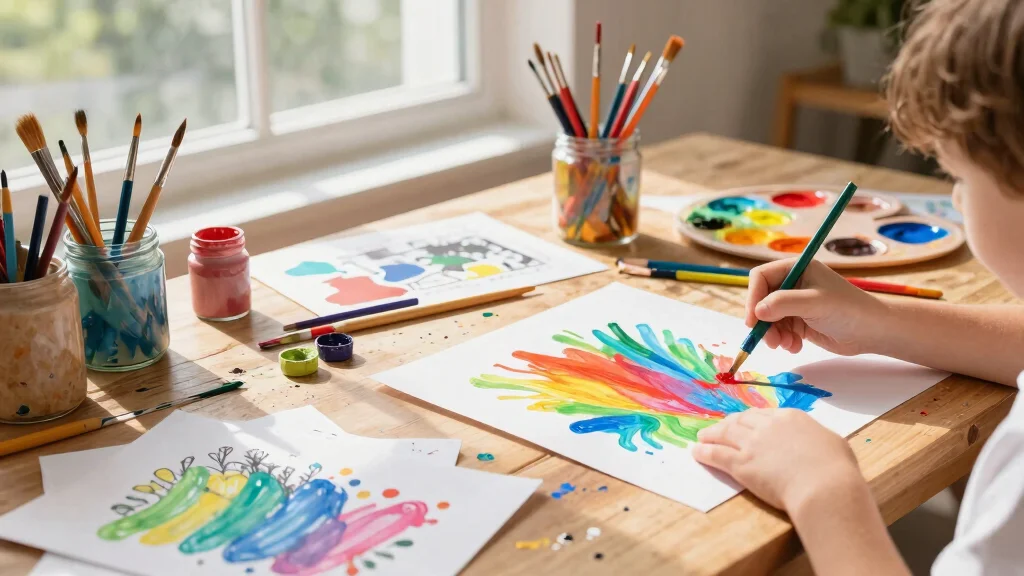

Art has a magical way of sparking creativity and imagination in children. As a parent, educator, or caregiver, you may often find yourself searching for ways to encourage kids to express their unique ideas and thoughts. I created this post to help you discover fun and engaging art projects that not only allow for creative expression but also promote artistic thinking and essential skills.
If you’re passionate about nurturing creativity in kids, this collection of 13 art projects is perfect for you. Each project is designed to inspire, challenge, and engage young minds, no matter their artistic ability. From creating a nature collage to exploring paint pouring techniques, you’ll find activities that are engaging, easy to set up, and perfect for sparking imagination. Get ready to dive into a world of creativity that your kids will love!
By exploring these projects, you’ll gain valuable insights into how art can enhance critical thinking, problem-solving, and collaboration among kids. With simple materials and straightforward instructions, you can foster an environment where creativity flourishes and children feel empowered to express themselves. So grab your art supplies and let’s explore these inspiring art projects together!
Key Takeaways
– Engaging in art projects helps children develop creative expression while enhancing their artistic thinking skills.
– Each project offers unique materials and techniques, making it easy to adapt to different age groups and skill levels.
– Activities like collaborative mural painting and artistic storytelling encourage teamwork and communication among kids.
– Projects such as upcycled art not only promote creativity but also teach kids about sustainability and resourcefulness.
– These art activities provide a fun way for kids to express their thoughts, feelings, and ideas, fostering a deeper understanding of themselves and the world around them.
1. Nature Collage Adventure
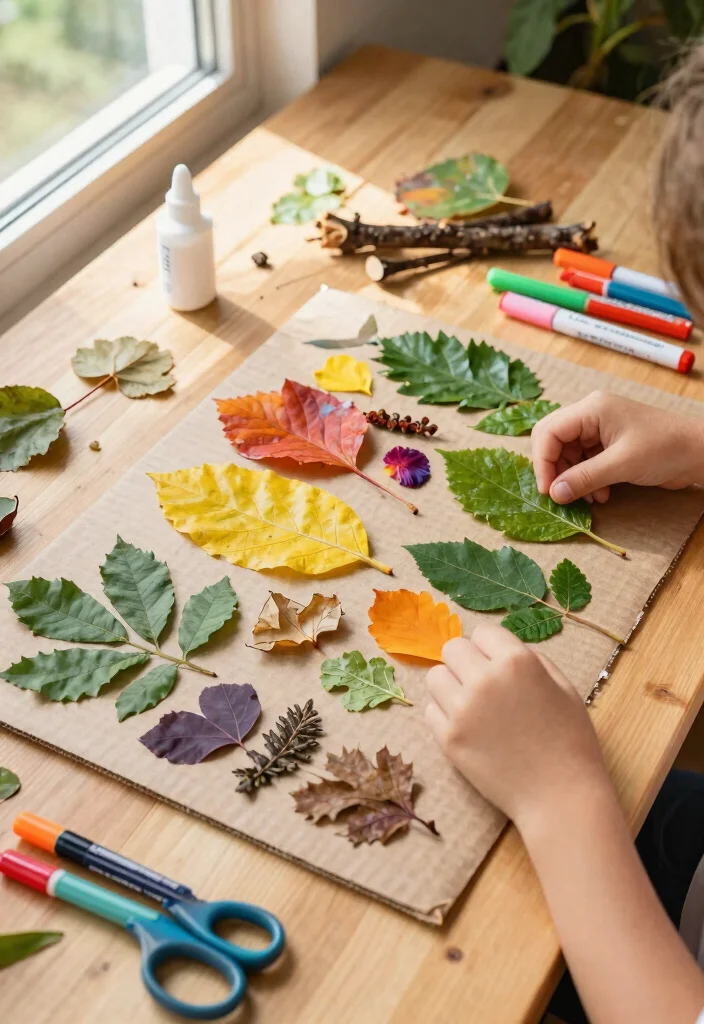
Invite your kids to explore the great outdoors with a thrilling nature collage! They can collect vibrant leaves, delicate flowers, and interesting twigs to craft stunning pieces of art. This engaging project fosters a love for nature and boosts their observational skills, allowing them to appreciate the beauty around them.
Begin by taking a family nature walk to gather materials of various shapes and colors. Use sturdy cardboard or thick paper as a base for gluing their findings in creative arrangements. Adding markers or paint can turn their work into a narrative masterpiece.
Key steps to enhance the experience:
– Explore different textures and colors during collection.
– Use a variety of arrangements to spark creativity.
– Encourage storytelling through their artwork.
This hands-on project not only ignites their creativity but also instills a sense of environmental responsibility. Watch as their imaginations bloom with each leaf they gather!
2. DIY Clay Sculptures

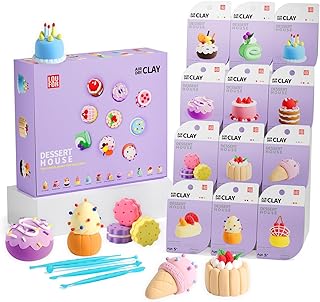
Unleash your child’s creativity with DIY clay sculptures! Using air-dry clay or homemade dough, kids can shape anything from whimsical creatures to imaginative designs. This tactile activity strengthens their fine motor skills while allowing for boundless creative expression.
Make your own clay by mixing 2 cups of flour, 1 cup of salt, and 1 cup of water until smooth. Add food coloring for a splash of vibrancy! They can sculpt various shapes and let their creations dry overnight.
Tips to maximize fun:
– Host a mini art exhibit to showcase their sculptures!
– Encourage storytelling around their creations to deepen engagement.
This project is a fantastic way to nurture their artistic spirit while they dive into a world of fun!
Fun fact: Just 15 minutes of DIY clay sculpting each day strengthens fine motor skills and boosts creative expression. When kids mix flour, salt, and water to craft shapes, they watch ideas become real overnight—proof that creativity grows with a simple, tactile routine.
DIY Clay Sculptures
Editor’s Choice




📹 Related Video: Sculpting TYRANNOSAURUS REX | Jurassic Park [ 1993 ]
3. Watercolor Resist Art
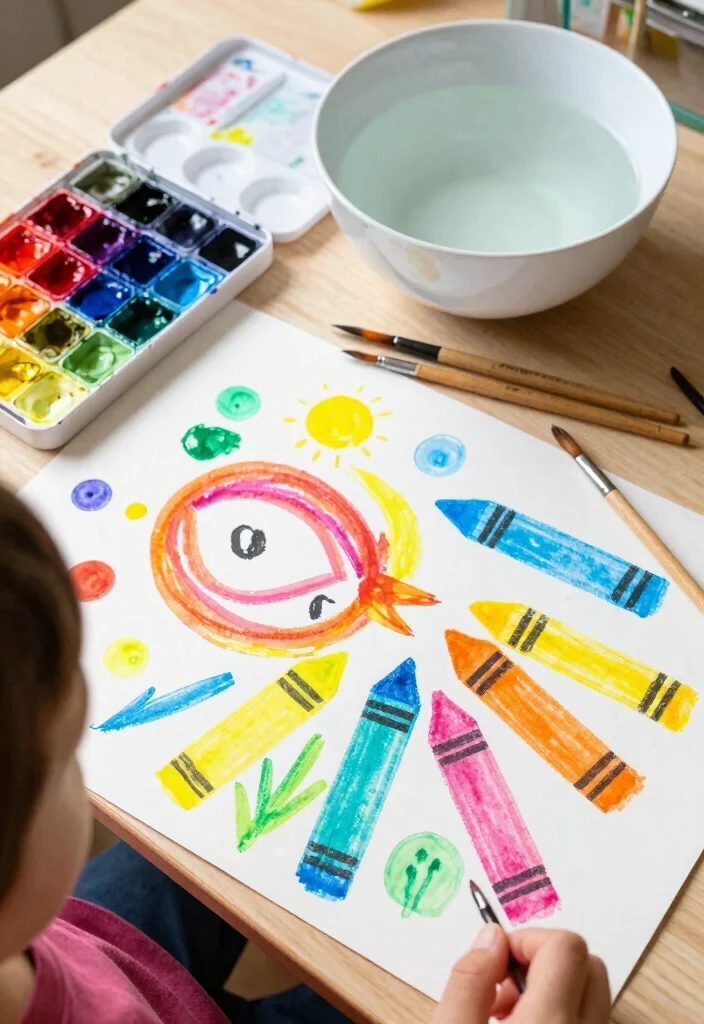
Dive into the enchanting world of watercolor with a fun resist art project! Kids can create breathtaking artwork using crayons or oil pastels to outline their designs before painting over them with watercolors. The magical result is a lively dance of colors around their drawings.
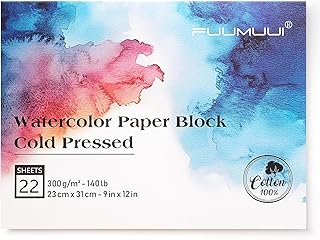
Start with quality watercolor paper and a selection of crayons or oil pastels. Encourage kids to press hard for bold lines as they create their designs. Once finished, they can paint over with watercolors, revealing their unique creations!
Tips for an exciting experience:
– Prompt them to creatively plan their designs before drawing.
– Experiment with color combinations to see beautiful mixes!
Each brushstroke brings their imagination to life, making this project a delightful exploration of creativity!
Watercolor Resist Art
Editor’s Choice




4. Upcycled Art Projects
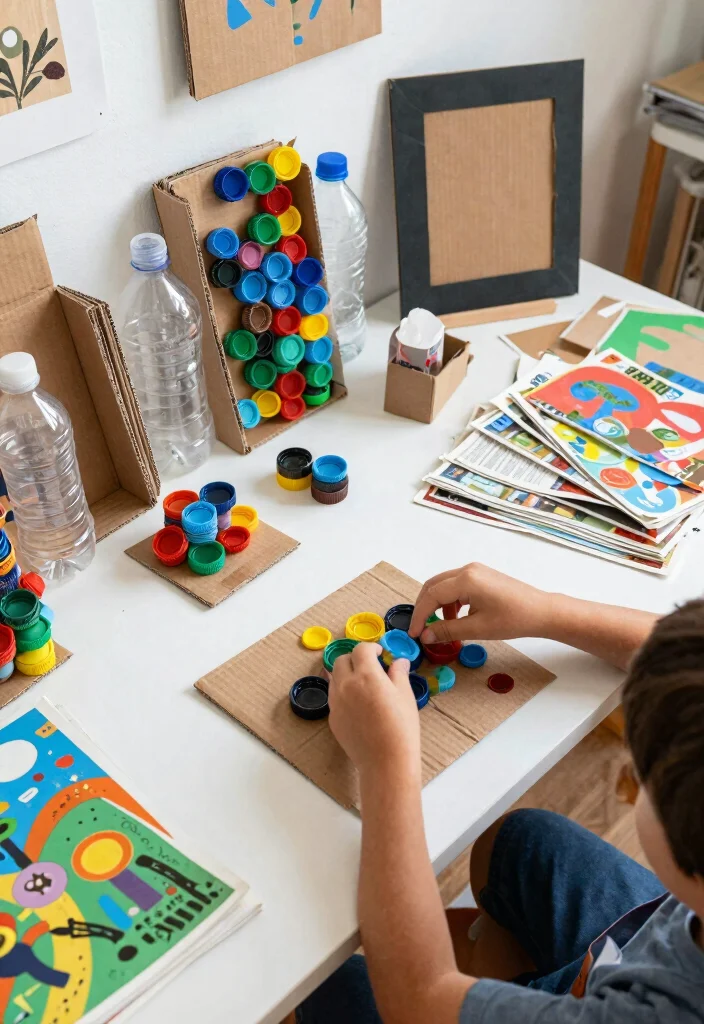
Transforming everyday items into art, upcycled projects teach kids about recycling while allowing their creativity to shine. Using materials like cardboard boxes, plastic bottles, or old magazines, they can create fresh and exciting art pieces!
Here are some project ideas:
– Build sculptures from bottle caps and kitchen utensils.
– Construct a vibrant cardboard cityscape.
– Create paper mache masks using old newspapers.
This project encourages critical thinking and innovation, inspiring kids to see potential in discarded items.
Suggested tips for success:
– Discuss the importance of upcycling and its environmental benefits.
– Organize a family art contest to showcase their recycled masterpieces!
Upcycling opens a world of creativity that can ignite their imaginations!
Did you know that kids who embrace upcycled art average 40% more creative expression after just a few projects? Turning cardboard boxes, bottle caps, and old magazines into sculptures shows that recycling sparks imagination—and practical problem-solving, too.
5. Collaborative Mural Painting
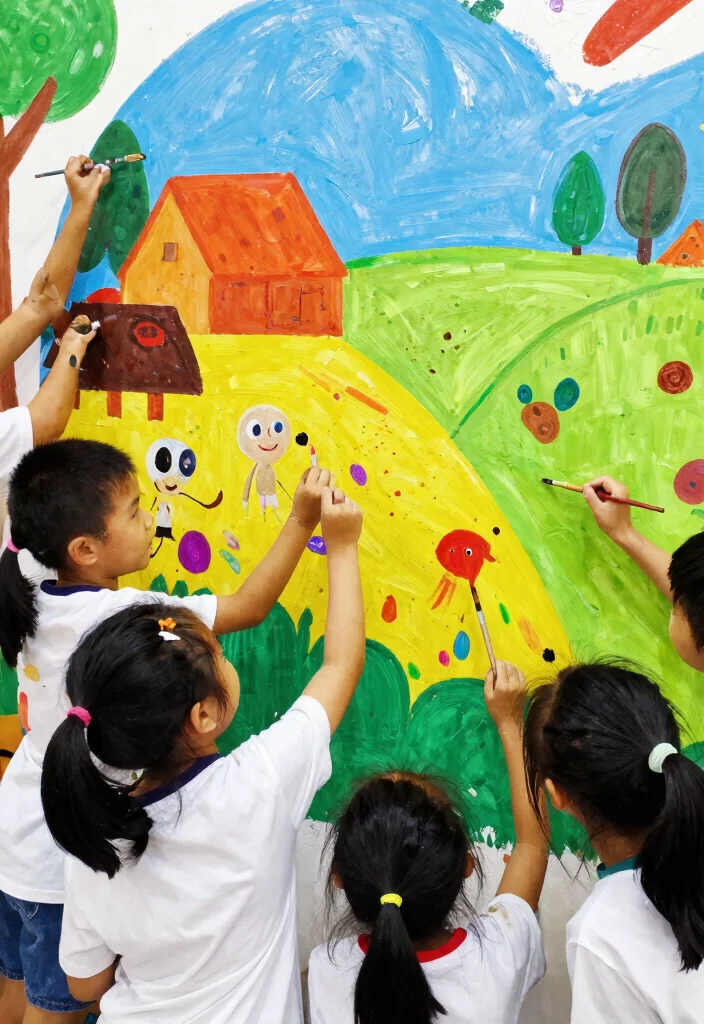
Creating a massive mural together can be an unforgettable experience for kids. This group project fosters teamwork, allowing children to express their individual creativity while contributing to a larger piece of art.
To start your mural adventure:
– Choose a large, blank canvas or wall space.
– Brainstorm themes and ideas as a group.
– Assign different sections based on each child’s strengths.
This collaborative effort boosts social skills and helps kids appreciate diverse artistic styles.
Pro tips for a smooth process:
– Schedule regular breaks to keep creativity flowing.
– Document the painting process with photos for lasting memories.
Watching the mural come together will surely be a proud moment for all young artists involved!
6. Artistic Storytelling

Artistic storytelling blends creativity with narrative, allowing kids to express their thoughts through illustrations that depict stories. This project enhances their imagination and communication skills, making it a wonderful way to share ideas.
To start:
– Encourage kids to pick a favorite story or invent their own.
– As they illustrate, prompt them to identify key scenes to depict.
– Let them share their artwork and the accompanying stories with others.
This project not only develops artistic thinking but also builds confidence in sharing their ideas.
Tips for participation:
– Use a variety of materials like colored pencils, markers, and paints for diversity.
– Organize a mini art exhibition to present their stories to family and friends.
Artistic storytelling is a fantastic way to merge creativity with literacy!
You might also like
10 Creative Activities That’ll Supercharge Your Baby’s Cognitive Growth (You Won’t Believe #7!) – MomBlush

10 Genius Activities That Will Elevate Your Baby’s Brain Power (You’ll Love #3!) – MomBlush
7. Shadow Art Exploration

Shadow art opens a new realm of creativity for kids. By manipulating light and objects, children can create mesmerizing silhouettes and shadow paintings that ignite their imagination.
To get started:
– Set up a flashlight or lamp in a dim room.
– Have kids arrange toys or cut-out shapes in front of the light source.
– Encourage them to trace the shadows on paper to craft dynamic artwork!
This activity enhances artistic thinking as kids learn to manipulate light and shapes.
Pro tips for success:
– Experiment with different objects to explore how shadows vary.
– Encourage collaboration by letting kids work together on their designs.
This unique project will engage their attention and allow them to experience art in an exciting way!
8. Artistic Journaling

Artistic journaling blends writing and drawing in a personal diary. Kids can express their feelings, experiences, and ideas through sketches, collages, and colorful doodles. This project promotes emotional expression and self-reflection.
To begin:
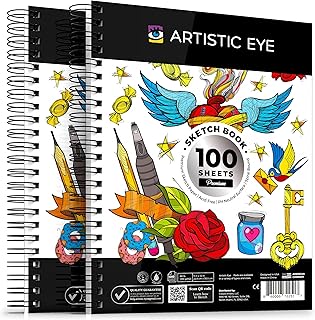
– Provide a blank journal or sketchbook for each child.
– Encourage them to personalize it with colors, stickers, and anything that reflects them.
– Promote regular entries to let their creativity flow naturally over time.
Artistic journaling is a fantastic way to boost emotional intelligence while developing artistic thinking skills.
Tips for success:
– Use themed prompts to inspire creativity.
– Make it a family activity where everyone shares a moment from their journal.
This allows kids to craft a visual timeline of their thoughts and creativity!
Artistic Journaling
Editor’s Choice


How To Choose Art Projects That Promote Creative Thinking in Kids
When selecting art projects for kids, the right choice can supercharge their creative expression. You want projects that not only engage but also develop artistic thinking and skills. Here’s how to choose the best art projects that will encourage kids to think creatively.
1. Consider Their Age and Skill Level
It’s essential to choose projects that match the child’s age and skill level. Younger children may enjoy simple activities like finger painting or nature collages, while older kids might be ready for more complex tasks like claymation or mixed media art. Tailoring projects to their abilities will keep them engaged and less frustrated.
2. Evaluate the Materials Required
Look at what materials are needed for each project. Some projects might require special supplies that you don’t have on hand, which could lead to delays and disappointment. Opt for projects using common materials like paper, paint, and recycled items. This not only keeps costs down but also encourages creativity with what’s available.
3. Assess the Project’s Complexity
Think about how complex each project is. Projects that are too simple might bore kids, while overly complicated ones can lead to frustration. For example, a DIY clay sculpture might take several steps, but it can be simplified for younger kids. Introduce basic techniques first, then gradually add layers of complexity as they advance in their skills.
4. Focus on Open-Ended Projects
Select projects that allow for personal interpretation and creativity. Open-ended activities, such as artistic storytelling or fabric art, encourage kids to express their thoughts and feelings. These types of projects promote problem-solving and artistic thinking, allowing children to explore their creativity without strict limits.
5. Incorporate Collaboration Opportunities
Look for projects that encourage teamwork. Collaborative activities like mural painting or group sculptures can foster social skills and enhance creative thinking. Working together allows kids to share ideas and learn from one another, enriching their overall experience.
6. Align with Their Interests
Choosing art projects that align with a child’s interests can significantly boost their engagement. If they love animals, consider nature collages featuring their favorite species. If they enjoy stories, artistic storytelling could be a hit. Tailoring projects to their passions ensures they will be more invested in the outcome.
Pro Tip: Always keep a flexible mindset. If a chosen project isn’t resonating with your child, be open to shifting gears. Creativity thrives in an environment that feels comfortable and pressure-free.
In summary, selecting the right art projects for kids involves considering their age, skills, complexity, and interests. By focusing on open-ended and collaborative projects, you’re setting the stage for them to express their creativity fully. With these guidelines, you’re well on your way to fostering a love for artistic expression in your little ones!
9. Paint Pouring Techniques

Paint pouring creates mesmerizing art with colors blending beautifully. This technique allows kids to explore color mixing and the science of paint.
To get started:
– Mix equal parts of acrylic paint and pouring medium in plastic cups.
– Layer different colors in a canvas before pouring.
– Tilt the canvas to let the paint flow and form unique patterns.
This project nurtures artistic thinking as kids learn about paint flow and color interactions.
Helpful tips for fun:
– Cover surfaces with plastic to keep things tidy.
– Encourage creating multiple pieces in one session for a vibrant collection!
The results are always unique, allowing kids to express their creativity while embracing imperfections!
10. Photo Art Manipulation

In today’s digital age, photo art manipulation combines technology with creativity in exciting ways. Kids can take their photos and transform them into art using simple apps or software.
To get started:
– Let them capture pictures of their surroundings, friends, or favorite items.
– Use basic editing tools to experiment with filters, colors, and overlays.
– Encourage creating a series inspired by a chosen theme.
This project enhances artistic thinking by blending photography and digital art, offering endless creative opportunities.
Pro tips:
– Discuss composition and lighting to deepen their understanding of photography.
– Organize a digital art showcase to display their creations.
Kids can express their personality and creativity in a modern way through this art form!
Photo Art Manipulation
Editor’s Choice



You Might Also Like
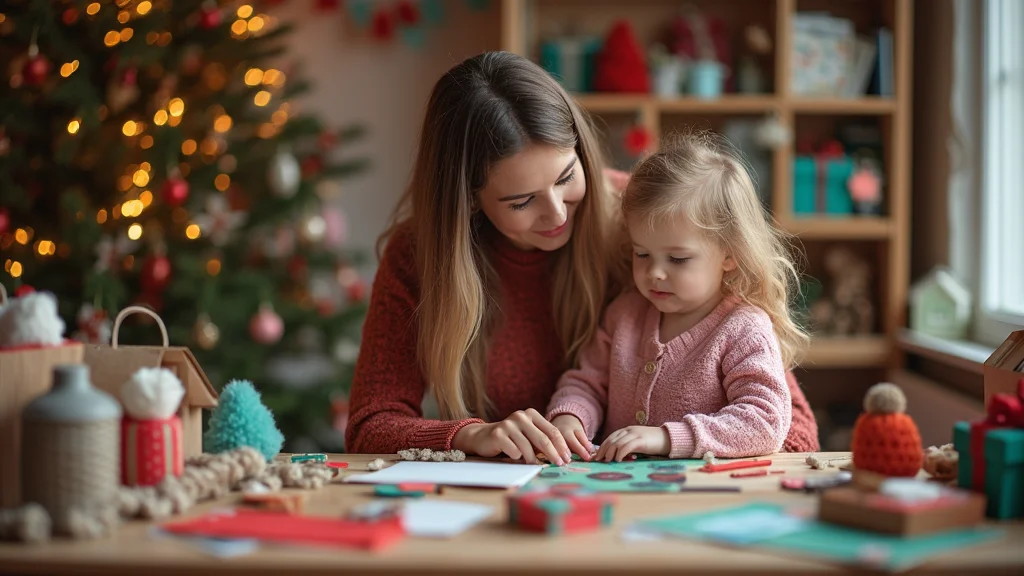
20 Easy Winter Crafts for Moms and Babies to Get Crafty This Christmas Season! – MomBlush

10 Baby Led Weaning First Foods That Will Have Your Little One Asking for More! – MomBlush
11. Fabric and Textile Art

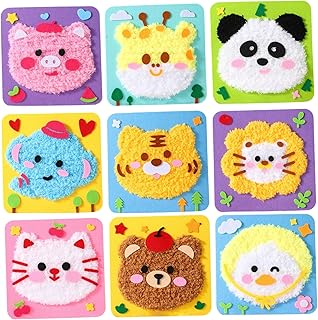
Fabric and textile art presents an exciting avenue for creativity through texture and color. Kids can explore tie-dye, sewing, and fabric combinations to create stunning pieces.
Ideas to explore:
– Tie-dye shirts or fabric squares for vibrant designs.
– Craft fabric collages using various textile scraps.
– Try simple sewing projects like pouches or plush toys.
This hands-on approach encourages artistic expression while developing fine motor skills and patience.
Pro tips:
– Use safe, non-toxic dyes for tie-dye fun.
– Encourage kids to add personal touches with embroidery or fabric markers.
Working with fabric opens new dimensions of creativity and artistic exploration!
Fun fact: A single tie-dye session can boost fine motor skills and color planning in kids by about 20–25%. It also sparks big ideas and creative expression in minutes.
Fabric and Textile Art
Editor’s Choice




12. Claymation Film Creation
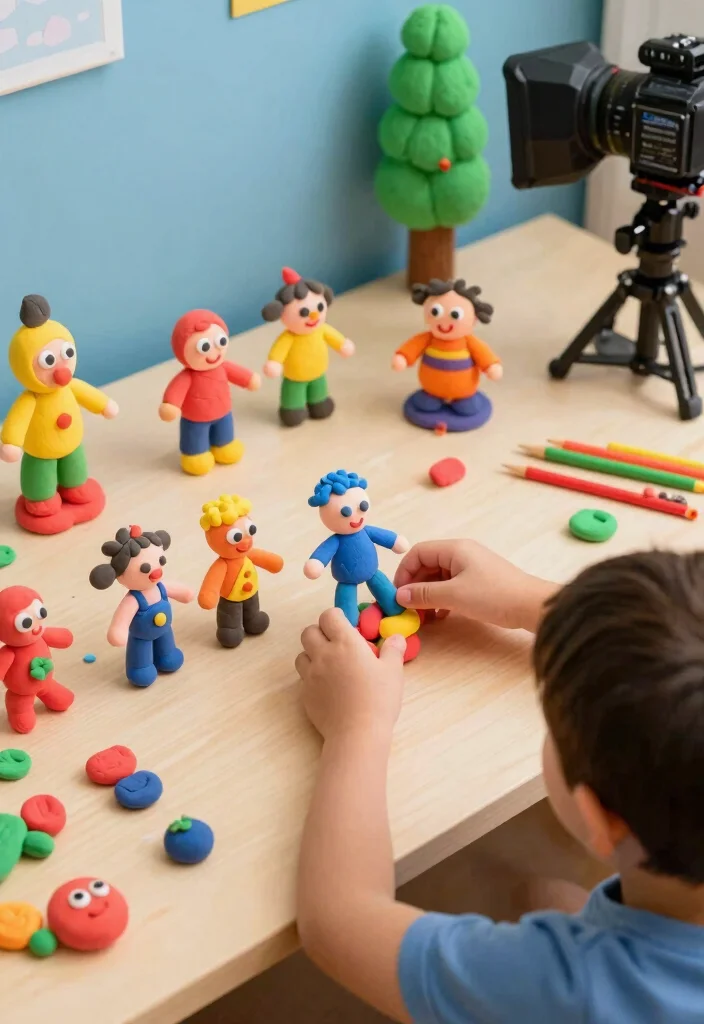
Combining art and storytelling, claymation lets kids bring their characters to life! They can sculpt figures from clay and create short films to narrate their stories.
To get started:
– Gather clay, a camera or smartphone, and a stable base for your set.
– Have kids design their characters and backgrounds.
– Teach basic stop-motion techniques to capture each frame of their story as it unfolds.
This project enhances artistic thinking, problem-solving, and digital skills while engaging kids in animated storytelling.
Tips for a successful experience:
– Brainstorm story ideas together to encourage creativity.
– Host a screening party to watch and share their finished films!
Creating a claymation film can be an unforgettable experience that inspires teamwork and creativity throughout the process!
13. Mixed Media Art

Mixed media art allows kids to blend various materials and techniques into one creative masterpiece. With options like paint, paper, fabric, and found objects, their artistic expression knows no bounds.
To create mixed media art:
– Start with a base layer, such as a canvas or thick paper.
– Layer different materials by gluing, painting, or arranging them creatively.
– Encourage exploration of textures and colors to add depth.
This project fosters creative expression, artistic thinking, and decision-making as kids combine elements.
Tips for a successful project:
– Provide a variety of materials to spark their imagination.
– Encourage both planned designs and spontaneous creations.
Mixed media art gives kids the freedom to break rules, express themselves, and discover the joy of creating art their way!
Conclusion

Encouraging creative expression through these 13 art projects not only promotes fun but develops essential skills in kids. From nurturing their artistic thinking to enhancing problem-solving abilities, these activities inspire a love for creativity.
So gather your supplies and dive into the world of art! Whether it’s through painting, sculpting, or collaborating on a mural, every project is a step toward building a thinking kid—not just a smart one.
Let the creativity flow, and watch your children thrive as they explore their artistic potential!
Note: We aim to provide accurate product links, but some may occasionally expire or become unavailable. If this happens, please search directly on Amazon for the product or a suitable alternative.
This post contains Amazon affiliate links, meaning we may earn a small commission if you purchase through our links, at no extra cost to you.
Frequently Asked Questions
How can these 13 art projects promote creative expression and artistic thinking in kids at home?
These art projects are designed to spark creative expression and artistic thinking by encouraging open-ended exploration, not step-by-step perfection. Start by letting your child pick a project and a theme, then ask questions like what other solution could work to stimulate flexible thinking. Provide a variety of materials and celebrate the process over the final product to build confidence in creative expression and the development of skills. Set up a quiet, dedicated space, schedule regular art time, and add a simple reflection routine: ask what they tried, what worked, and what they’d do differently next time. This practical approach helps kids practice creative expression and strengthens artistic thinking skills.
What makes #9 in the article ’13 Art Projects That Promote Creative Thinking in Kids (Don’t Miss #9!)’ a standout for boosting creative thinking?
Don’t Miss #9 because it spotlights experimentation and iterative thinking—key to artistic thinking and creative expression. It invites kids to try multiple approaches with low-stakes materials, compare results, and explain choices. To use it effectively: offer varied supplies, set a loose goal, and encourage documenting changes as they go. Focus on the process, not perfection, so kids build durable skills they can transfer to other projects.
What materials do I need to run these art projects and keep creative expression flowing?
Keep a simple, flexible supply list: large white paper or sketchbooks, pencils, markers, crayons, scissors, glue, tape, recycled scraps, fabric, string, and paint or collage materials. Add a camera or smartphone for documenting ideas. Set up a small, mess-friendly space with easy cleanup. Keep materials accessible and rotate them so kids encounter new combinations, which fuels creative expression and builds artistic thinking skills.
How can I adapt these art projects for kids of different abilities to support inclusive artistic thinking and skills development?
Make prompts adjustable: offer multiple entry points (simple, medium, advanced), provide alternative tools (safety scissors, adaptive brushes), allow collaboration or pairing, and give extra processing time. Let kids choose forms of expression (drawing, collage, sculpture) within the same theme to grow creative expression and artistic thinking. Track progress with short goals and celebrate improvements.
How can I turn these art projects into an ongoing practice that grows creative expression and skills instead of one-off activities?
Create a simple long-term plan: rotate a few projects weekly or monthly, build a small ‘portfolio’ of artworks, and schedule reflections after each project. Set learning goals like ‘try three different techniques’ and gradually increase complexity. Display work to celebrate progress and connect art projects to other areas (storytelling, science). This approach turns creative expression into durable skills kids carry forward.
Related Topics
creative expression
artistic thinking
kids activities
DIY art projects
fun learning
hands-on creativity
easy crafts
imagination boosting
learning through art
skill development
engaging projects
innovative play




I love how creative these ideas are! I once tried to get my nephew to paint with spaghetti, and let’s just say, it turned into a delicious mess! 😂
Did you know that art can help kids improve their problem-solving skills? It’s true! These projects are not just fun but super beneficial too!