
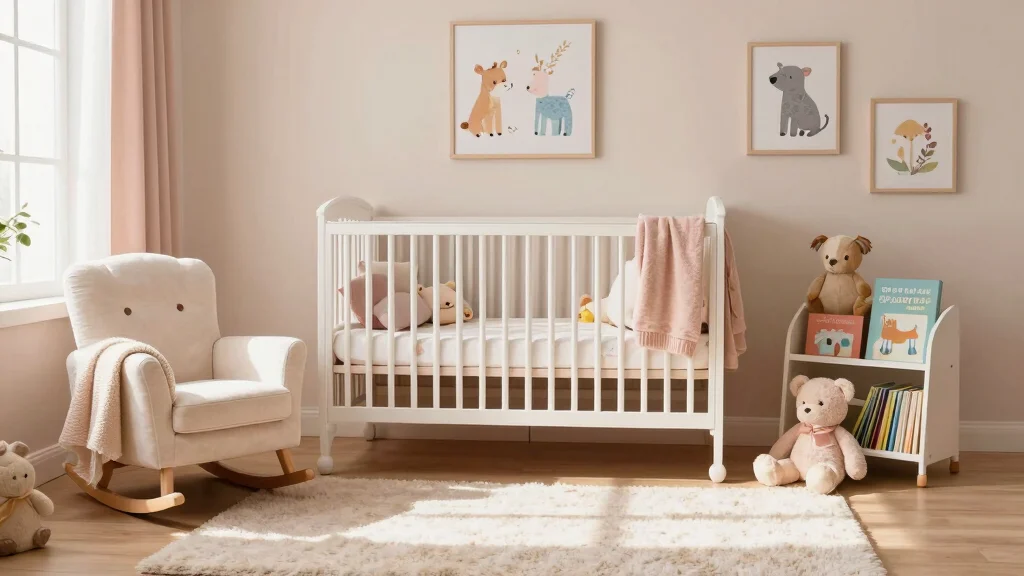

In our journey as parents, we often find ourselves surrounded by a sea of colorful toys and gadgets designed to capture our little ones’ attention. With so many options available, it’s easy to believe that toys are the cornerstone of a baby’s development. However, I created this post to shed light on a surprising truth: babies need much more than toys to thrive. As parents, we want to give our children the best start in life, but sometimes we overlook the essentials that truly shape their growth and well-being.
If you’re a new parent or someone deeply invested in child development, this post is for you. You care about your baby’s emotional and physical well-being, and you want to know how to foster a nurturing environment. In this guide, you’ll discover ten critical things your baby needs more than toys for healthy development. These insights will help you build stronger bonds, encourage growth, and create enriching experiences for your child.
So, let’s dive into the essential needs that go beyond the toy box. Each item on this list plays a crucial role in your baby’s development, promoting everything from emotional regulation to social skills. Get ready to be surprised by how simple actions and routines can significantly impact your little one’s journey!
Key Takeaways
– Babies thrive on unconditional love and affection, which helps build secure attachments and emotional stability.
– Establishing consistent routines can make your baby feel safe and understood, promoting a sense of security.
– Spending quality time with caregivers fosters deep connections and encourages emotional growth.
– Outdoor experiences provide babies with fresh air and opportunities for exploration, essential for sensory development.
– Offering varied sensory experiences, like different textures and sounds, stimulates cognitive and physical growth.
1. Unconditional Love and Affection

Your baby needs unconditional love and affection to thrive. From the moment they arrive, they seek your warmth and comfort. This deep connection is essential for their emotional security, promoting healthy brain growth. Through cuddles, gentle voices, and soothing words, you help them build trust and self-confidence.
Make skin-to-skin contact a daily practice, especially in those early days. This simple yet powerful act strengthens your bond. Responding to their cries with love shows them they are safe and cherished.
Tips to Show Affection:
– Spend quiet moments holding your baby close and talking softly.
– Use gentle touches and kisses to express your love.
– Maintain eye contact during feeding or play to enhance connection.
These loving interactions create a secure attachment that will benefit your child as they grow.
Your baby needs unconditional love and affection more than any toy. When you cuddle, speak softly, and share skin-to-skin daily, you’re giving brain-boosting security and trust that lasts a lifetime.
Unconditional Love and Affection
Editor’s Choice





📹 Related Video: Baby Tips for a New Dad, from a Dad from Sanford Health
2. Consistent Routines

Babies flourish with consistent routines that provide a sense of security. Establishing regular sleep and feeding times helps them feel comfortable and understand what comes next. This predictability is key to their emotional well-being and overall development.
Create a calming bedtime routine involving dim lights, a story, and a lullaby. These steps signal to your baby that it’s time to rest.
Routine Ideas:
– Stick to predictable patterns to reduce anxiety.
– Introduce visual schedules as they grow to help with transitions.
– Remember to be flexible; adapt routines as your baby’s needs change.
Implementing these routines supports your baby’s growth and makes parenting easier.
3. Quality Time with Caregivers

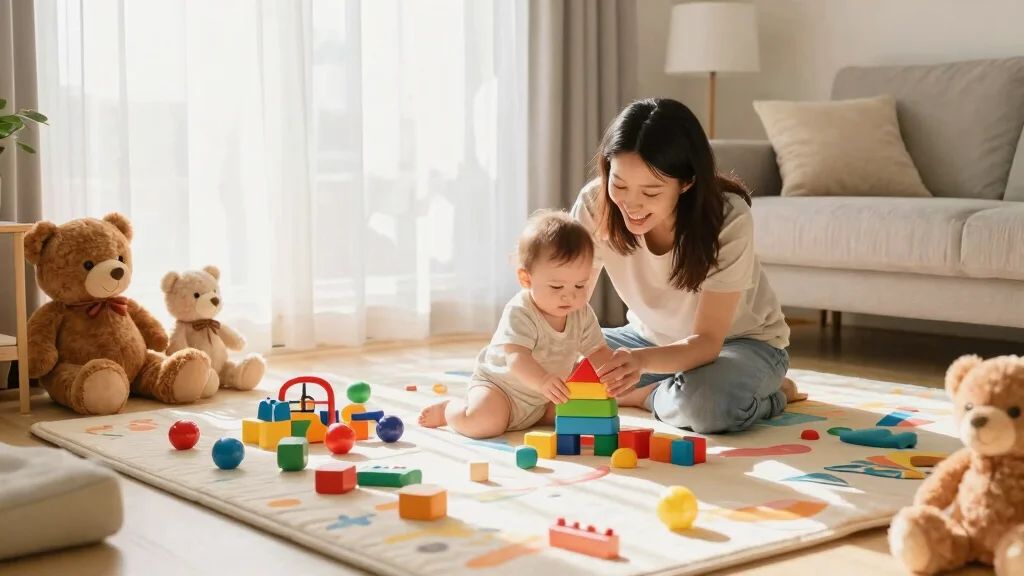
The quality of time you spend with your baby far outweighs the number of toys they have. Engaging in activities together nurtures emotional bonds and supports cognitive development. Whether it’s tummy time, reading, or simple conversations, your interactions are essential for their growth.
Be attentive to their cues and respond with smiles and laughter. These moments help your baby feel valued and understood, enhancing their emotional health.
Ways to Connect:
– Dedicate daily time for uninterrupted play with your baby.
– Join in their activities, like rolling a ball or playing peek-a-boo.
– Change up environments occasionally to spark curiosity.
These shared experiences fulfill their developmental needs in ways toys cannot.
Quality time with caregivers isn’t about busy schedules; it’s about warm moments that meet baby needs. When you smile, read, and talk with your baby, you’re teaching trust, language, and curiosity—one moment at a time.
Quality Time with Caregivers
Editor’s Choice


4. Outdoor Experiences

Expose your baby to nature’s playground for rich sensory experiences that toys can’t provide. Fresh air, various textures, and nature’s sounds are crucial for their cognitive and sensory growth. Taking walks or visiting parks opens up a world of new sights and sounds for your little one.
On sunny days, lay a blanket in the grass and let them explore. Every new sensation helps develop their awareness and motor skills.
Outdoor Ideas:
– Create a mini-garden for them to touch different plants.
– Have a picnic and observe their reactions to the outdoors.
– Point out colors and shapes while watching birds and butterflies.
This exposure sparks their imagination and cultivates a love for the outdoors.
5. Varied Sensory Experiences
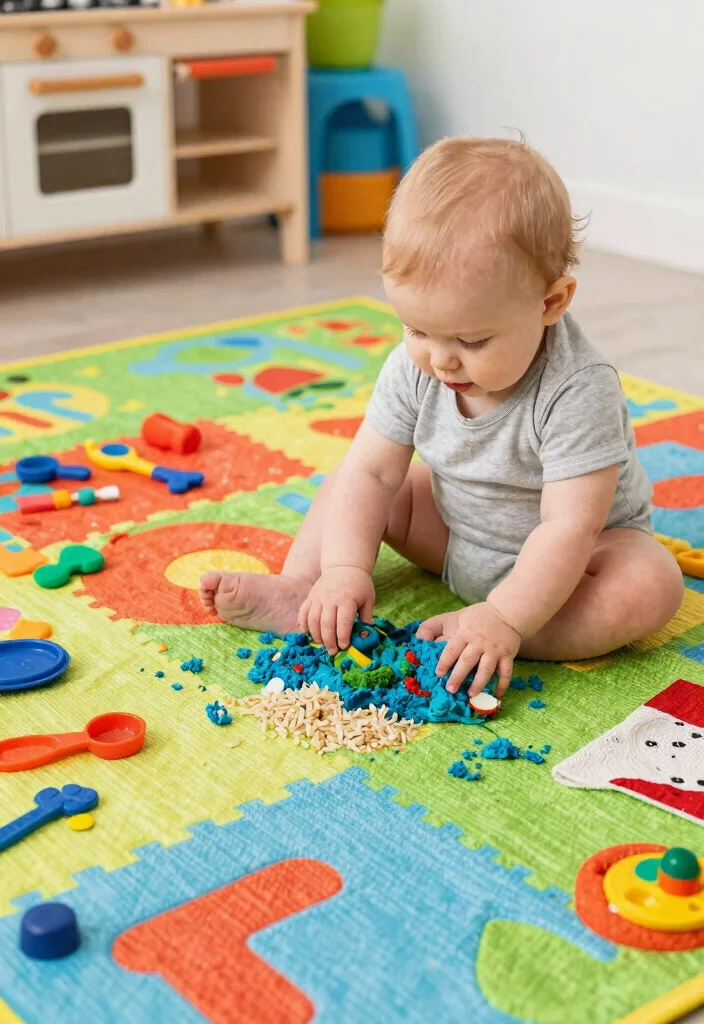
Cognitive growth thrives on diverse sensory experiences. Babies learn through touch, taste, sound, sight, and smell. Instead of relying solely on toys, create stimulating environments with activities like finger painting or sensory bins filled with rice or water.
Every sensory input builds neural pathways, enhancing cognitive development. Incorporate everyday household items for playtime to enrich their experiences.
Creative Ideas:
– Use safe household items for tactile play; a cardboard box can be a fort!
– Introduce simple musical instruments for auditory exploration.
– Encourage messy play, which is vital for sensory growth.
These experiences keep your baby engaged and support their overall development.
Varied Sensory Experiences
Editor’s Choice


You might also like
10 Creative Activities That’ll Supercharge Your Baby’s Cognitive Growth (You Won’t Believe #7!) – MomBlush

10 Genius Activities That Will Elevate Your Baby’s Brain Power (You’ll Love #3!) – MomBlush
6. Emotional Regulation Skills
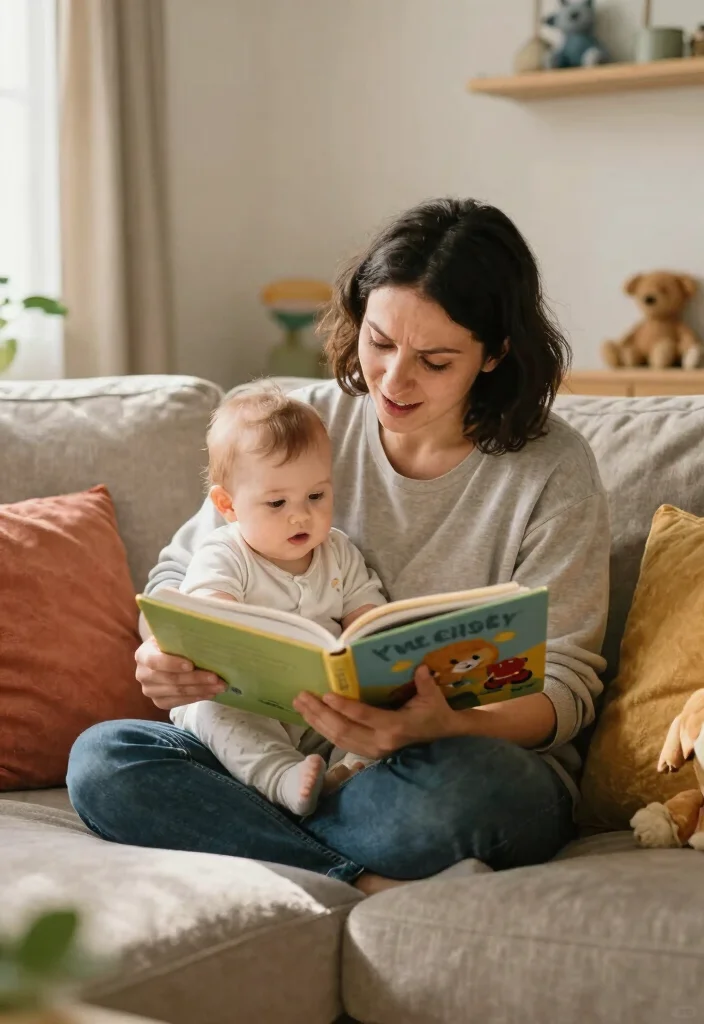
Nurturing emotional intelligence is vital for your baby’s long-term mental health. Teaching them to express and manage emotions involves modeling behaviors and acknowledging feelings. Your baby learns by watching your interactions and responses.
Practice naming emotions during activities. When they are happy, say, “You’re so happy!” and acknowledge sadness with, “I see you’re feeling sad.” This helps build their emotional vocabulary.
Helpful Suggestions:
– Use storytime to illustrate emotions and how characters cope.
– Provide comfort items like a favorite blanket for self-soothing.
– Encourage them to express feelings through gestures or simple words.
By instilling these skills early, you are laying the groundwork for a well-adjusted child.
Emotional regulation starts at home: name feelings to meet your baby’s needs, model calm responses, and watch them build a sturdy emotional vocabulary. When you label joy, sadness, or frustration, you teach them how to ride through tough moments with you by their side.
Emotional Regulation Skills
Editor’s Choice


7. Social Interactions

Building social skills begins early. Babies benefit from real-life interactions more than toys to learn how to navigate their world. Engaging with other babies and adults helps them develop social awareness and communication skills.
Encourage interactions with peers to foster sharing and empathy. These important skills are best learned through observation and participation rather than solitary play.
Engaging Activities:
– Organize playdates with babies around the same age.
– Attend community events for new social encounters.
– Allow your baby to observe interactions in various settings.
These experiences are crucial for their social development and confidence.
How To Choose Activities for Your Baby’s Healthy Development
Choosing the right activities for your baby is essential for their healthy development. While toys can be fun, there are other important factors to consider that support growth and bonding. Here’s how to select activities that nurture your baby’s overall well-being:
1. Assess Developmental Milestones
Understanding your baby’s developmental milestones will help you choose appropriate activities. Babies develop skills at different rates, so look for activities that match their age and abilities. For example, tummy time is great for strengthening their neck and back muscles. Keep in mind that encouraging movement fosters motor skills and exploration.
2. Prioritize Sensory Experiences
Babies learn through their senses, so look for activities that offer a variety of sensory experiences. Activities like finger painting with edible paint or playing with textured materials can stimulate their senses. This helps them explore different textures, colors, and sounds, which is crucial for brain development.
3. Encourage Bonding Interactions
Choose activities that promote bonding between you and your baby. Activities like singing, reading, or simple games like peek-a-boo are excellent for building emotional connections. The more quality time you spend together, the stronger the attachment you create, which supports emotional health.
4. Include Open-Ended Play
Select activities that allow open-ended play. This means letting your baby explore without strict rules. Blocks, stacking cups, or even a cardboard box can all encourage creativity. Open-ended play nurtures problem-solving skills and allows your baby to express themselves freely.
5. Incorporate Nature and Outdoor Activities
Expose your baby to outdoor experiences as much as possible. Fresh air and nature have positive effects on emotional well-being. Simple activities like a stroll in the park or letting them feel grass under their feet can be stimulating. Nature helps babies connect with the world around them and can boost their mood.
6. Promote Social Interaction
Social interactions are vital for your baby’s growth. Look for activities that involve other children or family members. Playdates, group classes, or family gatherings can help your baby develop social skills and learn about sharing and cooperation. These experiences are foundational for future relationships.
Pro Tip: Keep a balance of structured activities and free play. This allows your baby to learn boundaries while also having the freedom to explore. Remember that the goal is to create a fun, safe, and loving environment for their growth.
With these guidelines, you can confidently choose activities that will enrich your baby’s development beyond just toys. Each experience contributes to their growth, bonding, and overall happiness. Remember, it’s the quality of time spent together that truly matters!
8. Open-Ended Play
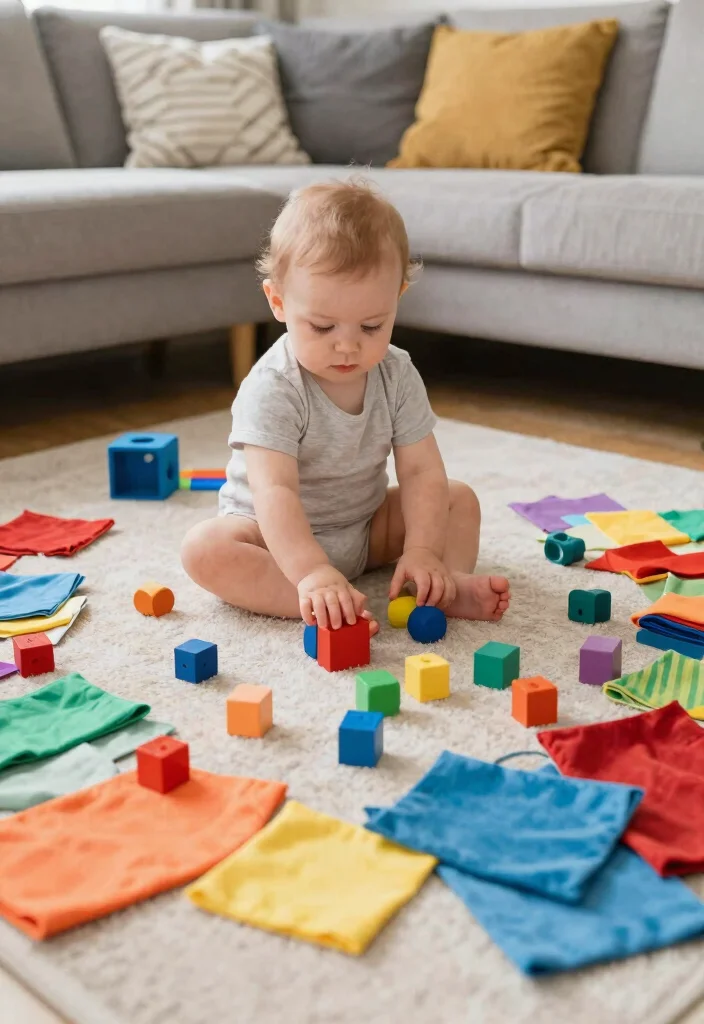
Fostering creativity through open-ended play is essential for developing problem-solving skills. Rather than focusing on toys with specific functions, provide items that encourage exploration. Blocks, scarves, and even pots can spark their creativity.
This type of play allows babies to craft their own narratives, promoting independence and critical thinking. It’s not just fun; it’s vital for intellectual growth.
Creative Ideas:
– Offer various materials and let them choose how to use them.
– Encourage role-playing with everyday items like kitchen tools.
– Create a safe space for free experimentation without rigid rules.
This style of play helps your baby think creatively and express themselves freely.
Open-Ended Play
Editor’s Choice



You Might Also Like
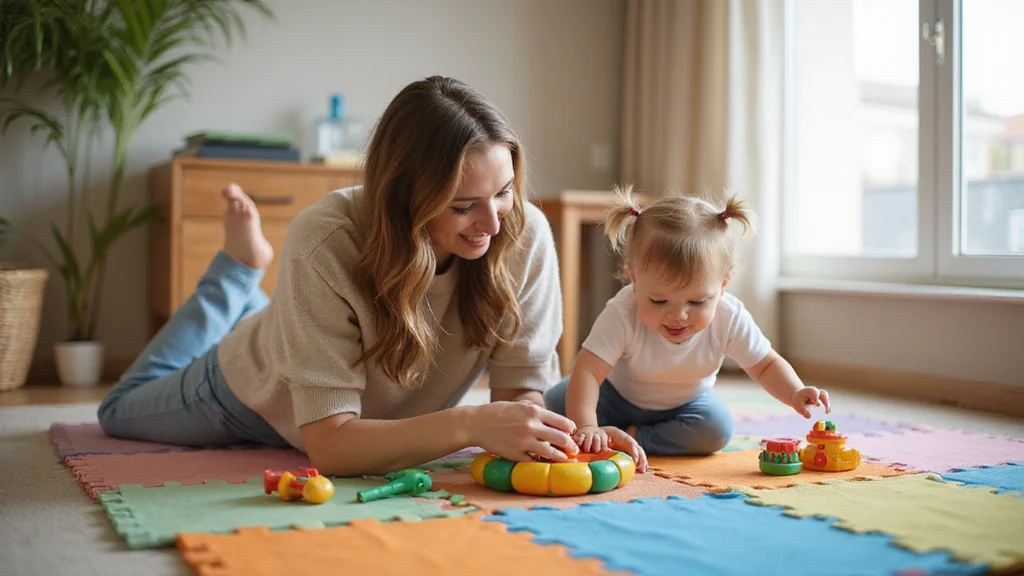
20 Interactive Playtime Activities for Babies That Strengthen Your Bond (Don’t Miss #12!) – MomBlush

10 Easy Digestion Foods for Babies That’ll Make Mealtime a Breeze! – MomBlush
9. Opportunities for Independence
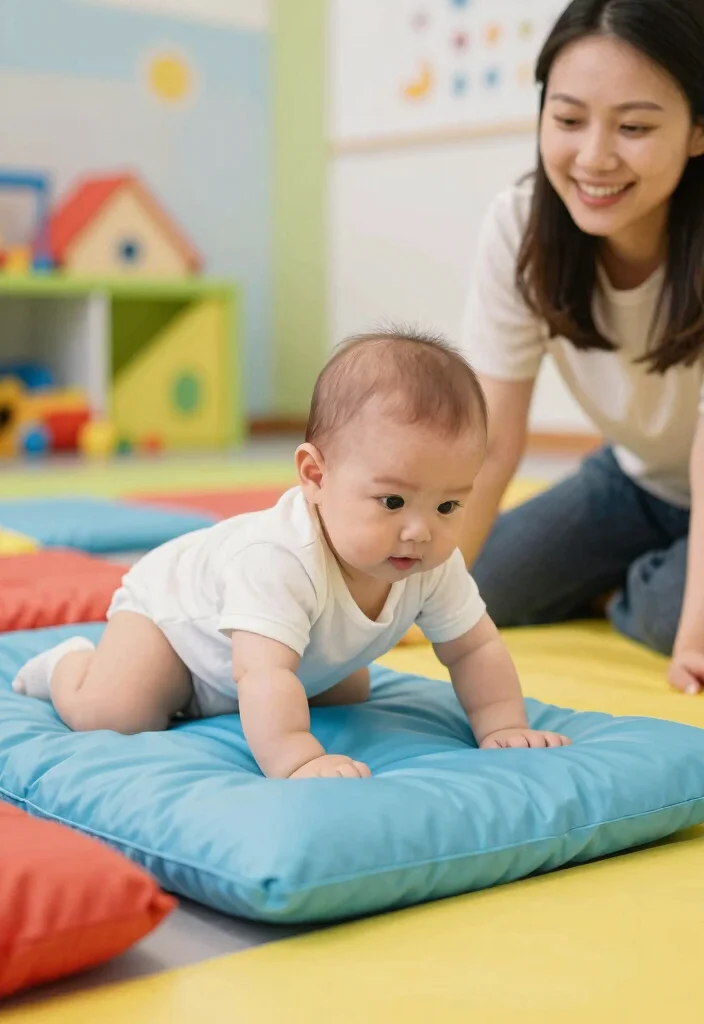
Encouraging independence is crucial for building your baby’s confidence and self-esteem. Allowing them to explore and make choices fosters autonomy. Start with simple decisions like choosing between two outfits or reaching for a toy.
Independent play nurtures decision-making skills. While it’s tempting to help, letting them try things alone builds resilience and perseverance.
Helpful Tips:
– Create safe spaces for exploration where they can move freely.
– Set up activities that allow them to choose their path, like toys or books.
– Celebrate their successes, no matter how small, to boost confidence.
These moments empower them as they grow, shaping a strong sense of self.
10. Healthy Nutrition
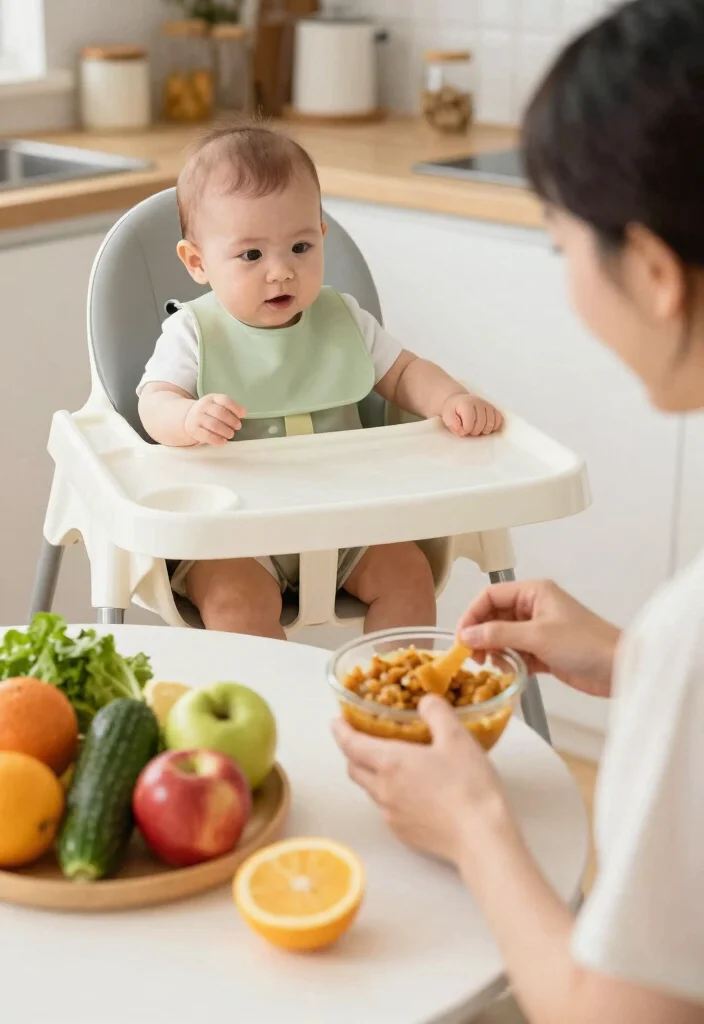
Nourishing growth is just as important as emotional and social development. Babies need nutritious foods to support their rapid growth. Offering a variety of healthy options like fruits, vegetables, and grains lays the foundation for lifelong healthy eating habits.
Start with purees and finger foods to introduce different tastes and textures. Make mealtime a bonding experience by enjoying food together.
Nutrition Tips:
– Introduce new foods gradually while monitoring for allergies.
– Involve your baby in mealtime; let them explore with their hands.
– Keep mealtimes relaxed and enjoyable to eliminate stress.
By prioritizing healthy nutrition, you fuel their body and nurture their overall development.
Conclusion

While toys are fun, they are just a small part of what babies truly need for healthy development. By focusing on love, routine, social interactions, and sensory experiences, you’re providing a foundation that will support your baby as they grow. Engage with them, explore the world together, and nurture their independence.
Embrace these essential aspects of their early years, and watch how they flourish.
Note: We aim to provide accurate product links, but some may occasionally expire or become unavailable. If this happens, please search directly on Amazon for the product or a suitable alternative.
This post contains Amazon affiliate links, meaning we may earn a small commission if you purchase through our links, at no extra cost to you.
Frequently Asked Questions
What are the top things babies need for healthy development beyond toys?
You might be surprised to learn that babies need more than toys for healthy development.
These baby needs center on bonding and responsive care: be present, notice cues, and respond with warmth and consistency.
Build strong routines, ensure good nutrition and sleep, and give plenty of face-to-face interactions—talking, singing, and eye contact.
When you prioritize these elements, your baby’s development thrives and the bond you build lasts a lifetime.
How does bonding influence a baby’s development and how can I strengthen it every day?
Bonding is the foundation of secure attachment and healthy development. When you respond promptly to cries, maintain eye contact, hold and cuddle, you build trust.
Try these daily moves: practice skin-to-skin, speak in a soothing tone, imitate your baby’s sounds, and dedicate moments of uninterrupted bonding during feeding, diaper changes, and play.
Consistency and warmth turn everyday care into powerful growth.
What practical everyday activities promote development without toys?
You can boost your baby’s growth with simple, toy-free moments:
Talk and narrate what you both are doing to boost language and listening skills.
Tummy time several minutes a day while you supervise builds strength.
Reading short board books and pointing to pictures supports comprehension.
Outdoor exploration and sensory textures (grass, fabric, water) enrich perception.
Maintain consistent routines for feeding and sleep to support steady baby needs and growth.
What signs show my baby’s needs are met and development is on track?
Look for movement from simple to more complex: calmer after feeding, regular sleep, and happy, responsive bonding moments. You might notice clearer eye contact, babbling, and tracking objects with your eyes. Achieving milestones like head control, rolling, or sitting with support are good indicators of progress. Remember, every baby blooms at their own pace, but consistent responsiveness helps keep development on track.
How can busy parents ensure baby needs are met during travel or busy days?
Plan ahead to protect your baby needs without toys taking center stage. Create a simple rhythm, pack a compact bonding kit (a soft blanket, a few picture books), and keep feeding and nap times as predictable as possible. When you travel, use car rides and waiting times for talking, singing, and eye contact to maintain bonding. Involve a partner or caregiver to share responsibility so you can pause to cuddle and respond to cues quickly.
Related Topics
baby needs
healthy development
parenting essentials
bonding activities
emotional support
infant care
nurturing relationships
developmental milestones
quality time
attachment parenting
surprising needs
parenting tips




I remember when my niece was a baby, she would get way more excited about the cardboard box than the toy inside it! Kids are so funny that way. Why do we even bother buying toys sometimes?