
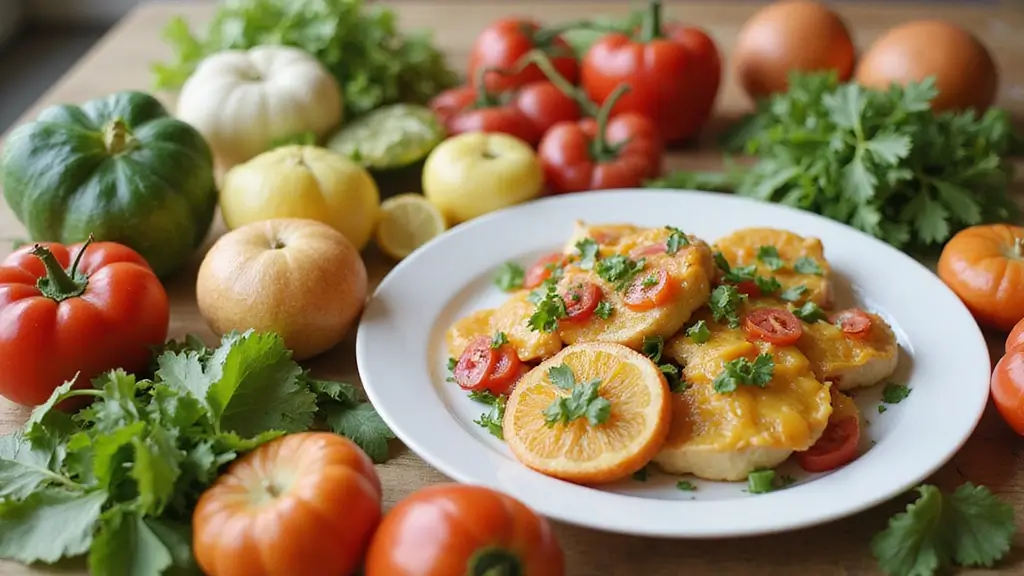

Have you ever wondered why your little one turns their nose up at veggies? You’re not alone! Many parents face this frustrating challenge. I created this post to dive into the surprising reasons your baby might be avoiding those healthy greens. Understanding their choices can make meal times a lot smoother and help you nurture a love for nutritious foods.
If you’re a parent or caregiver concerned about your child’s eating habits, this one’s for you. You want your baby to enjoy a balanced diet that includes those important vegetables. It’s normal to feel a bit overwhelmed when your little one shows a preference for anything but greens. You might be seeking solutions to turn those fussy meals into something delightful and healthy.
In this post, you’ll discover 10 unique reasons why your baby may be avoiding veggies and, more importantly, practical ways to fix it. From taste preferences to visual presentation, we’ll explore each factor that might be influencing your child’s food choices. By the end, you’ll feel empowered with fresh ideas to make veggies appealing and delicious for your little one. Let’s turn mealtime into a fun adventure filled with colorful, tasty vegetables!
Key Takeaways
– Babies often have a strong sense of taste, which can lead them to reject veggies that don’t meet their flavor preferences.
– The texture of vegetables plays a significant role in whether your child will eat them; experimenting with different cooking methods can help.
– How you present veggies can make a difference; colorful and creative plating can entice even the pickiest eaters.
– Prior negative experiences with certain vegetables can affect future willingness; introducing new options gradually is key.
– Allowing your child to make food choices can empower them and improve their interest in eating a variety of healthy foods.
1. A Strong Sense of Taste
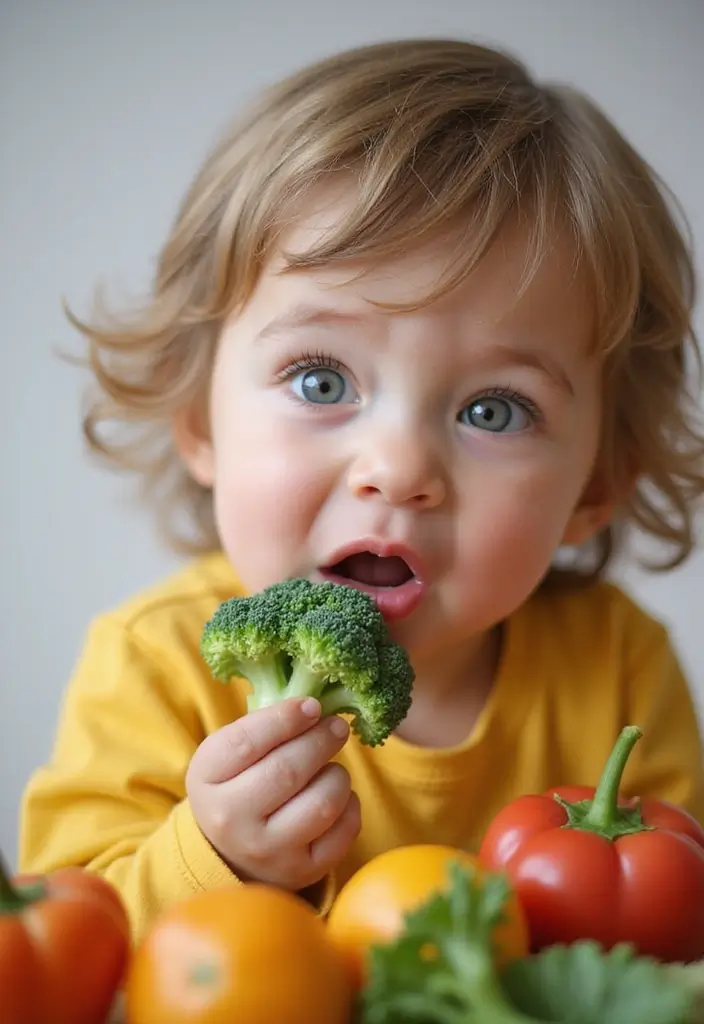
Babies have a unique gift: a strong sense of taste. This heightened sensitivity means they might find certain vegetables too bitter or intense. When that happens, they often refuse to eat them altogether. Solution: Try different cooking methods to make the flavors milder. Steaming, roasting, or pureeing veggies can help tone down those strong flavors. Adding a bit of fruit or a sprinkle of cinnamon can sweeten the deal and make veggies more appealing.Tips: – Introduce new vegetables slowly and in small amounts. – Pair them with familiar flavors like sweet apples or crunchy carrots. – Focus on gentler veggies such as zucchini or butternut squash. Understanding this can help you change your toddler’s dislike of vegetables into a more positive experience.
A Strong Sense of Taste
Editor’s Choice
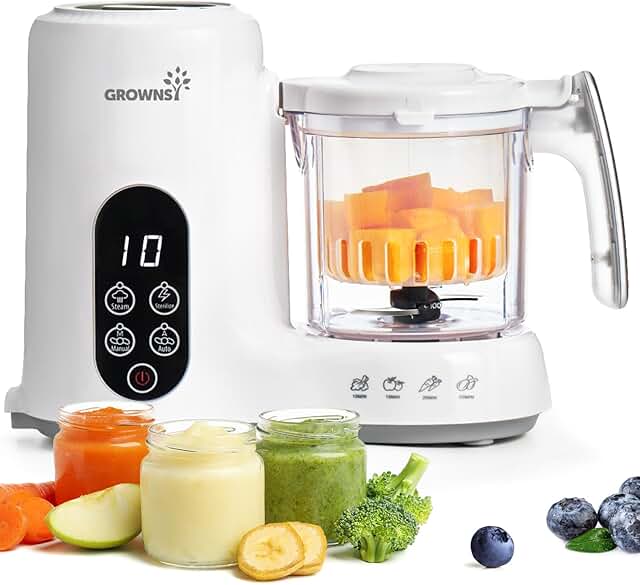
GROWNSY Baby Food Maker with Steam Basket, One Step Baby Food Processor …
 Amazon$78.99
6-Piece Silicone Baby Feeding Spoons, First Stage Infant Spoons, Soft-Ti…
Amazon$8.54
Vegetable Steamer Basket, Premium Stainless Steel Veggie Steamer Basket …
Amazon$7.982. Texture Matters
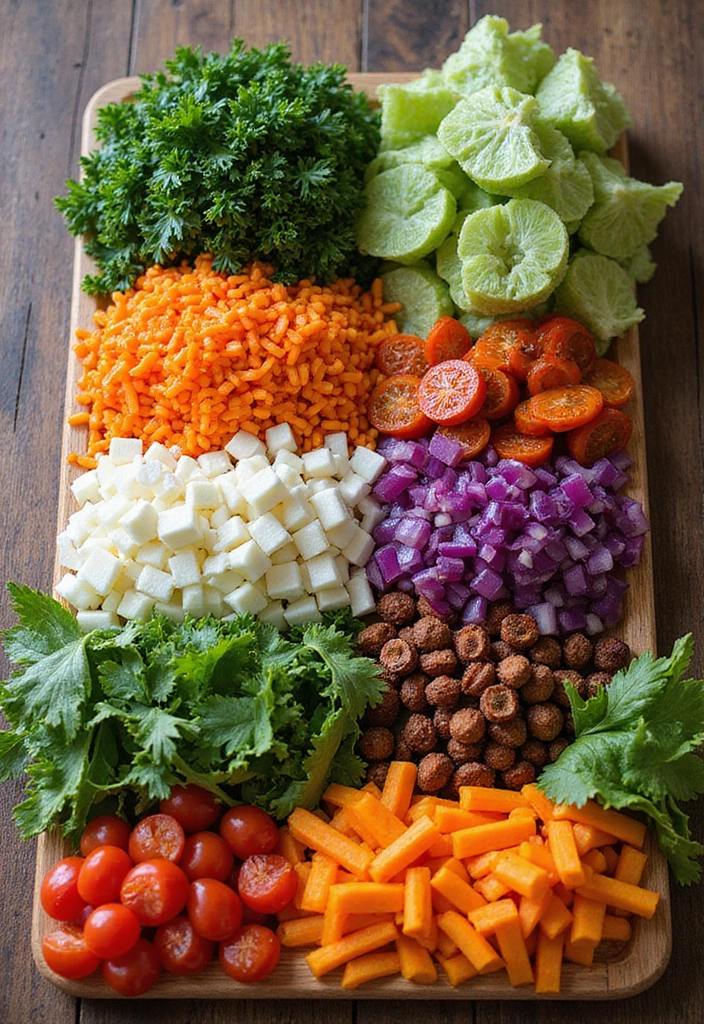
Texture is key when it comes to kids and food. Some toddlers avoid vegetables because they don’t like the way they feel in their mouths. Whether something is crunchy, mushy, or tough can make a big difference in whether they will eat it. Solution: Offer vegetables in various forms—raw, steamed, roasted, or blended. This keeps meals exciting and helps your child discover what they enjoy. Tips: – Serve raw veggies with a tasty dip like hummus or yogurt. – Roast veggies until crispy to boost both flavor and texture. – Create smoothies where veggies blend perfectly with fruits. Notice which textures your child prefers and adjust their veggie offerings accordingly.
Texture Matters
Editor’s Choice
Vegetable Steamer Basket, Premium Stainless Steel Veggie Steamer Basket …
Amazon$7.98
Ninja | Blender | Nutri Pro | Single Serve | For Smoothies, Salsa, Shake…
Amazon$69.99
Amazon Basics Disposable Plastic To-Go Cups and Lids, Mini, 2oz, 50 Count
Amazon$3.593. Visual Presentation is Key
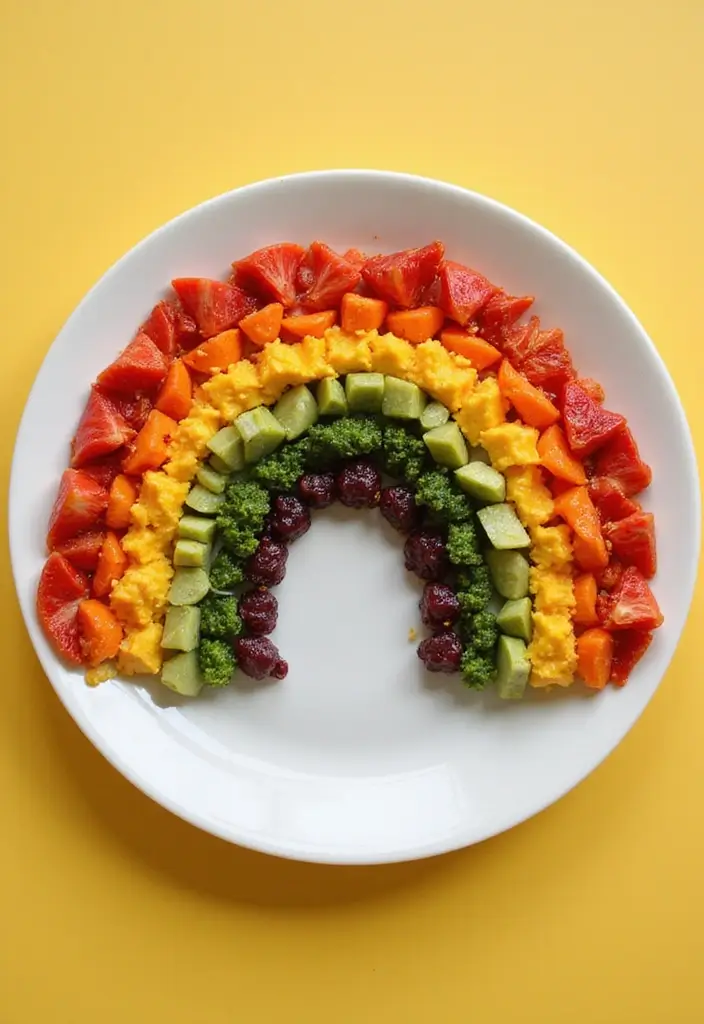
Kids really do eat with their eyes first! If vegetables look dull or unappealing, your baby may not even give them a chance. Making food fun and visually attractive can encourage little ones to try new things. Solution: Make meals colorful and engaging! Use cookie cutters for fun shapes, arrange veggies into smiley faces, or create vibrant rainbow plates. Tips: – Use bright colors like red peppers, green peas, and orange carrots together. – Get creative—make a veggie rainbow or a funny monster face. – Involve your toddler in meal prep to spark their interest. Using creativity can turn mealtime into a fun adventure, encouraging your child to explore new flavors.
Visual Presentation is Key
Editor’s Choice

GWHOLE 26 Pcs Cookie Cutter Set, Mini Animal Unicorn Classic Shape Cooki…
Amazon$9.99
Selamica Ceramic Dinnerware Sets, 12-Pieces Plates and Bowls Sets, Scrat…
Amazon$49.994. Peer Influence from Other Kids
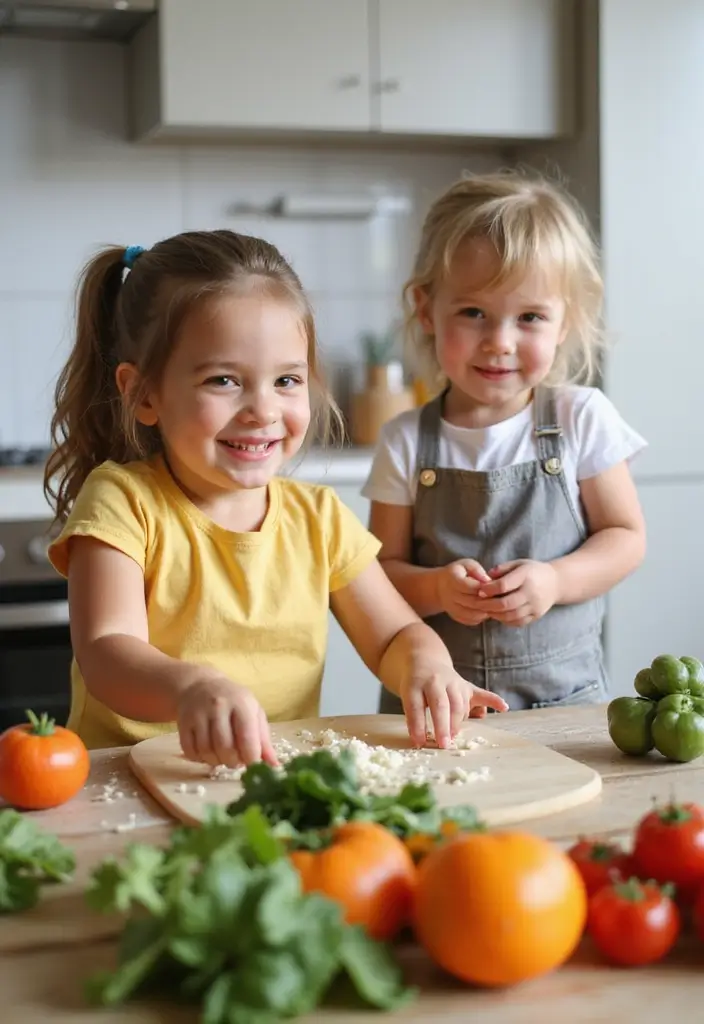
Believe it or not, kids are heavily influenced by their friends. If they see their peers avoiding veggies during playdates or lunch, they might follow that lead. This social influence can create a negative attitude toward healthy eating. Solution: Foster positive peer pressure! Organize playdates centered around cooking or healthy eating, where kids can enjoy each other’s creations. Tips: – Make veggie snacks a staple at group gatherings. – Introduce a ‘veggie of the week’ for everyone to taste together. – Reward veggie-eating at playgroup with stickers or fun stories. Creating a supportive environment can help your toddler develop healthier eating habits.
Fun fact: kids imitate peers at a surprising rate—when one child samples veggies, a friend is 2x more likely to try them. Use playdates around cooking to turn ‘baby avoiding veggies’ into a shared, veggie-loving habit.
Peer Influence from Other Kids
Editor’s Choice

13 Pieces Montessori Kitchen Toys for Toddlers-Kids Cooking Sets Real-To…
Amazon$16.99
Baked Zucchini Chips, Oven Baked No Oil Added, Vegetable Crisps, No Suga…
Amazon$29.99
Utron 80 Pack Reward Chart for Kids, Incentive Chart Behavior Chart for …
Amazon$7.995. Prior Bad Experiences

Previous bad experiences with certain vegetables can leave a lasting impact on your child. If they had a bad taste or a tummy ache after trying a veggie, they might avoid it in the future. Solution: Reintroduce these veggies slowly and positively. Start by adding small amounts to dishes they already love. Tips: – Avoid forcing them; pressure can make aversion worse. – Create good memories by letting them help in the kitchen. – Mix veggies with their favorite sauces or cheese to mask unwanted flavors. By creating positive experiences, you can help change their perception of previously avoided vegetables.
Prior Bad Experiences
Editor’s Choice

Ninja Professional Blender 1000W, Total Crushing Technology- Smoothies, …
Amazon$89.99
13 Pieces Montessori Kitchen Toys for Toddlers-Kids Cooking Sets Real-To…
Amazon$16.99You might also like
10 Homemade Baby Food Recipes That Your Little One Will Love (You Won’t Believe #4!) – MomBlush
12 Foods to Ease Baby Constipation That Really Work (Prune Puree Wins!) – MomBlush
6. Lack of Exposure
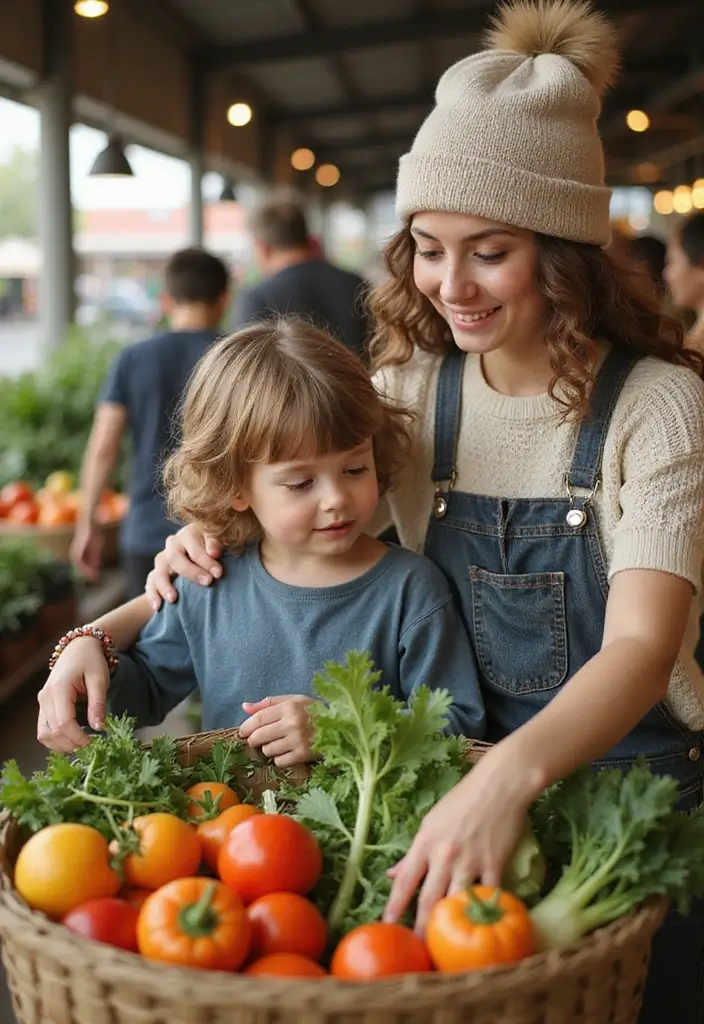
Sometimes, kids just need more exposure to different vegetables. If your baby hasn’t tried various veggies, they may shy away from unfamiliar ones. It often takes seeing a food several times before they are willing to try it. Solution: Consistency is key! Keep offering different veggies, even if they turn them down at first. Tips: – Start a ‘veggie of the month’ challenge to explore new vegetables together. – Visit farmer’s markets so they can choose new veggies. – Use fun cooking classes or videos to learn about various vegetables. The more they see, the more likely they are to try and enjoy them!
Lack of Exposure
Editor’s Choice
Vegetable Steamer Basket, Premium Stainless Steel Veggie Steamer Basket …
Amazon$7.98
13 Pieces Montessori Kitchen Toys for Toddlers-Kids Cooking Sets Real-To…
Amazon$16.99
7. Flavor Combinations
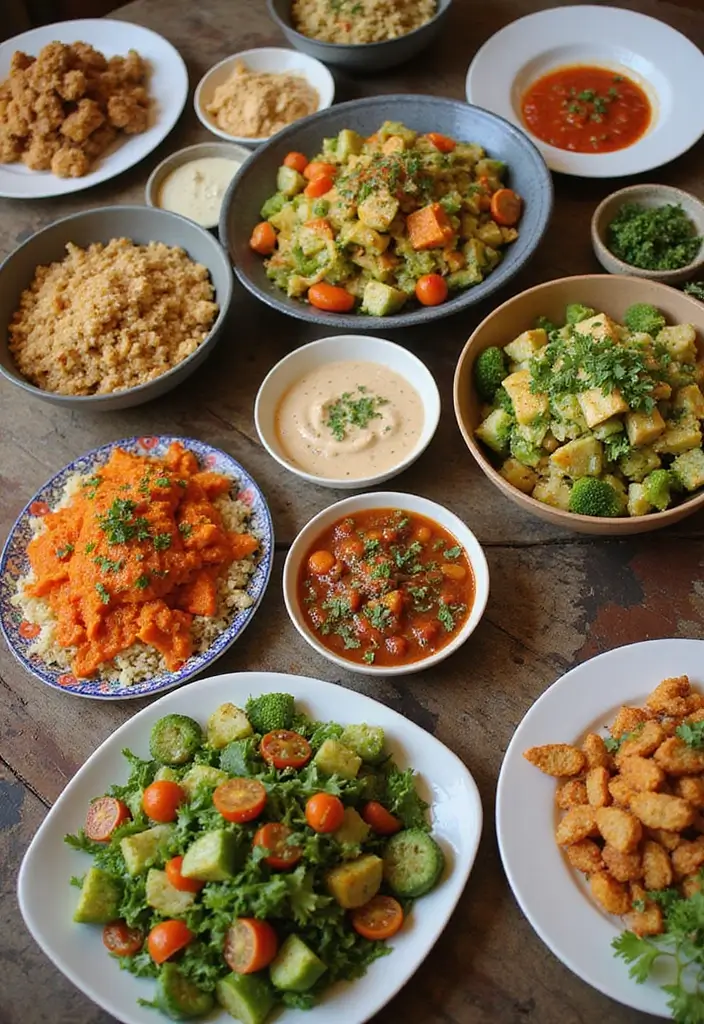
Sometimes the issue isn’t the veggie itself but how it’s prepared. Certain flavors can overpower vegetables, making them unappealing. If the taste clashes with other foods, your toddler might turn away. Solution: Experiment with different flavor pairings and seasonings to find combinations that work. Tips: – Roast veggies with sweet spices like cinnamon or honey for a tasty twist. – Use delicious dips like ranch or guacamole to make veggies more appealing. – Blend veggies into sauces for pasta or smoothies for a hidden treat. Finding the right combo can transform an unwanted veggie into a beloved dish!
Flavor Combinations
Editor’s Choice
Vegetable Steamer Basket, Premium Stainless Steel Veggie Steamer Basket …
Amazon$7.98
Melinda’s Dipping Sauce Gift Set with Ghost Pepper Black Truffle, Buffal…
Amazon$39.99
Ninja Fit Compact Personal Blender, Portable Blender for-Smoothies, Shak…
Amazon$54.998. Tired of the Routine
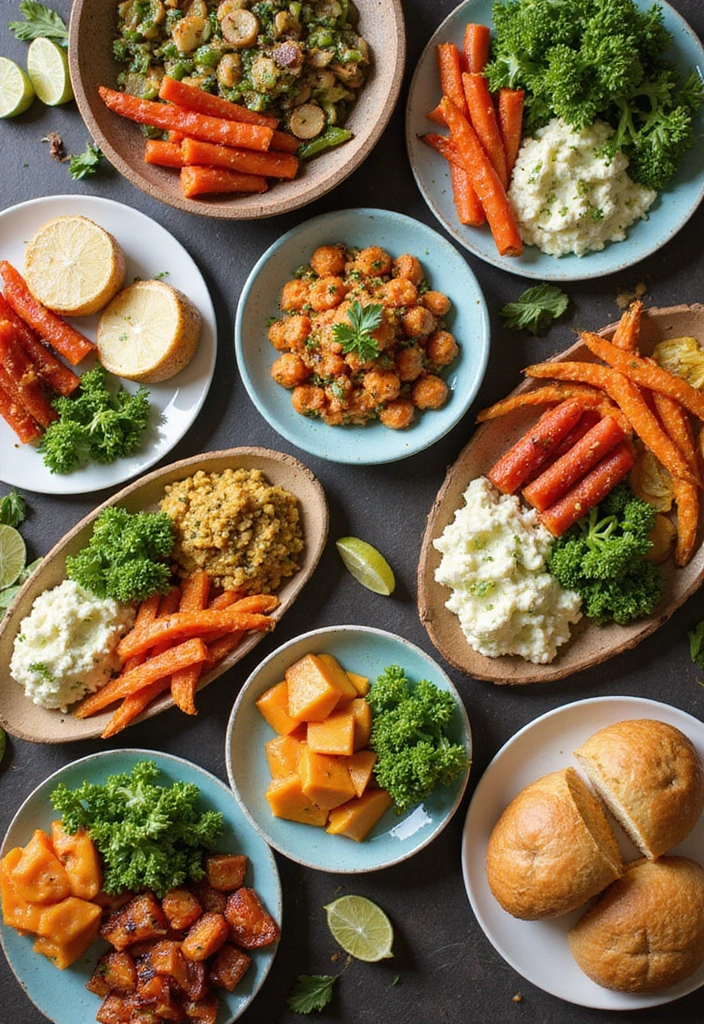
Toddlers can easily grow bored with the same meals. If you always serve veggies in the same way, they may lose interest quickly. Variety is especially important when it comes to keeping meals exciting! Solution: Change things up! Rotate the types of vegetables you serve and alter how you prepare them to keep meals fresh. Tips: – Create themed meals like Taco Tuesday with veggie toppings. – Host themed nights—like “color night” where only red, yellow, or green veggies are served. – Switch up cooking methods, like grilling in summer or making soups in winter. This can reignite interest and show your toddler how fun healthy eating can be!
Mealtime blues hit fast when every veggie tastes the same. Mix it up with color nights and tasty prep twists, and suddenly your baby is reaching for greens again. A little variety goes a long way in conquering baby avoiding veggies.
Tired of the Routine
Editor’s Choice

Brieftons 5-Blade Vegetable Spiralizer: Strongest-Heaviest Spiral Slicer…
Amazon$30.99
You Might Also Like

10 Baby Led Weaning First Foods That Will Have Your Little One Asking for More! – MomBlush
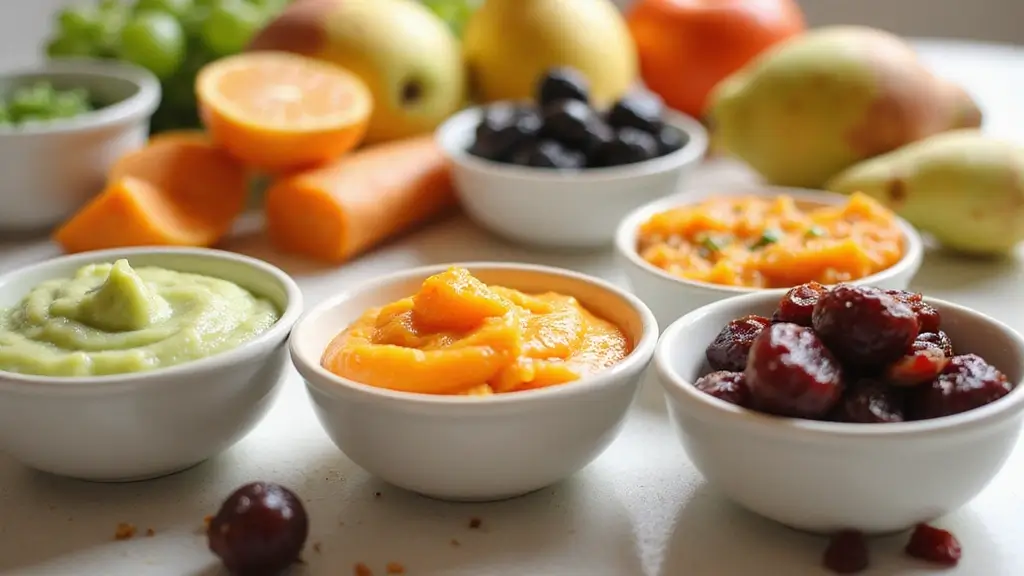
Secrets to Softer Stools: Best Baby Foods for Smooth Poop You Haven’t Tried – MomBlush
9. Associative Learning
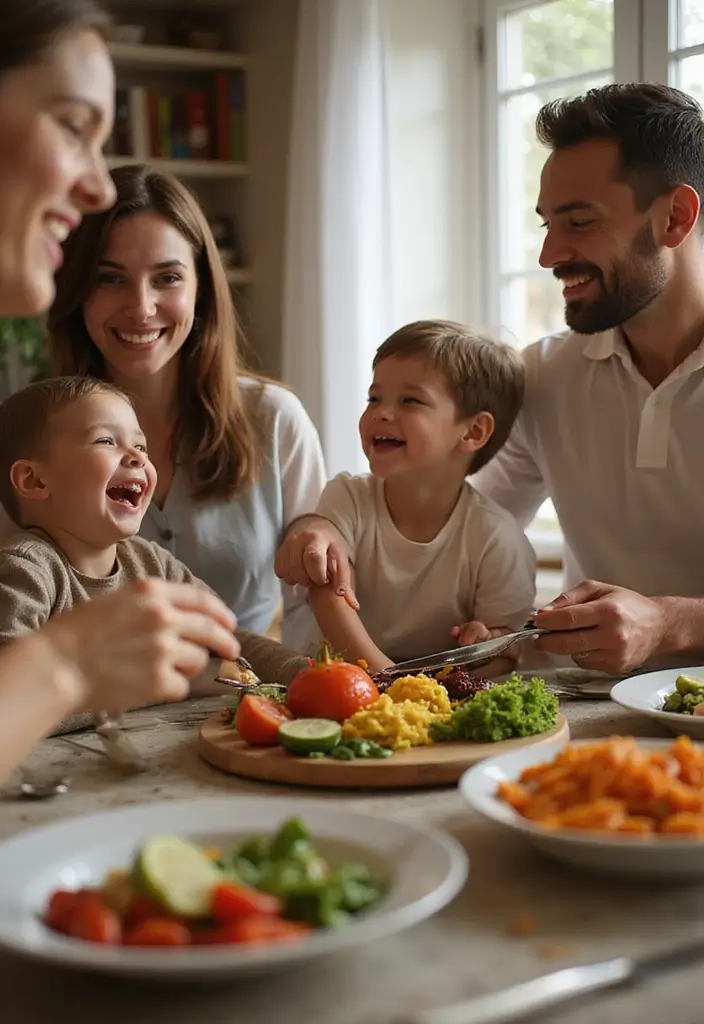
Kids often link food to experiences or feelings. If your baby associates veggies with something negative, like rushing through dinner or scolding, they might avoid them altogether. Making mealtimes a positive experience is essential. Solution: Keep mealtimes relaxed and enjoyable. Use positive reinforcement to help create a happy connection with veggies. Tips: – Praise them when they try new foods. – Avoid pressuring them—let them explore at their own pace. – Share fun stories or facts about vegetables to spark their curiosity. Creating positive vibes around food can nurture a love for healthy eating.
Associative Learning
Editor’s Choice


12 Pcs Vegetables Cookie Cutter Set Pumpkin Tomato Eggplant Corn Radish …
Amazon$9.99
My Little Garden | Growing Vegetables Wooden Playset Activity for Childr…
Amazon$31.4910. The Power of Choice
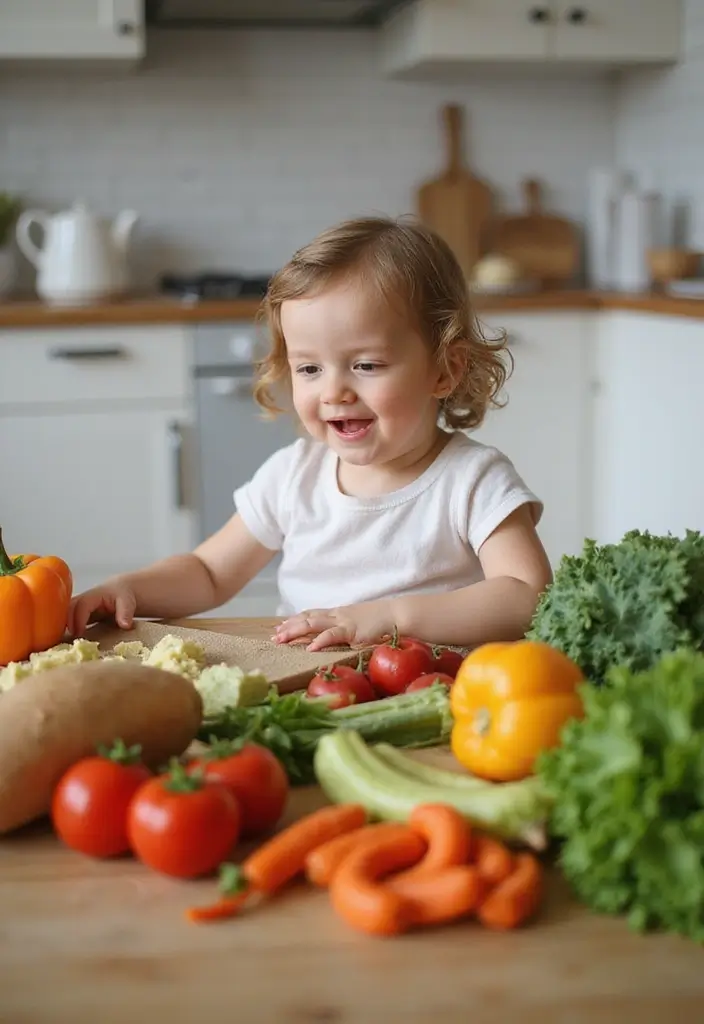
Giving kids choices can boost their confidence and encourage them to try new foods, including veggies. If they feel forced, they are more likely to resist. Solution: Offer options! Let your toddler choose which veggies they want to try or how they’d like them prepared. Tips: – Create a ‘veggie menu’ for them to select from during meal prep. – Provide a variety of dips or toppings and let them customize their plates. – Make it a fun game—who can build the best veggie monster? Allowing choices can greatly influence their willingness to try vegetables!
Baby avoiding veggies? Give them options—let them pick which greens to try or how they’re plated. When they choose, they own the meal, and veggie love grows one tasty dip at a time.
The Power of Choice
Editor’s Choice

Cutting Play Food Toys For Kids, Pretend Play Kitchen Accessories, Fake …
Amazon$9.98![[8 Pack] Salad Dressing Container To Go, 2.4oz Small Condiment Container...](https://m.media-amazon.com/images/I/61zqhbNRC3L._AC_UL320_.jpg)
[8 Pack] Salad Dressing Container To Go, 2.4oz Small Condiment Container…
Amazon$12.99
12 Pcs Vegetables Cookie Cutter Set Pumpkin Tomato Eggplant Corn Radish …
Amazon$9.99Conclusion
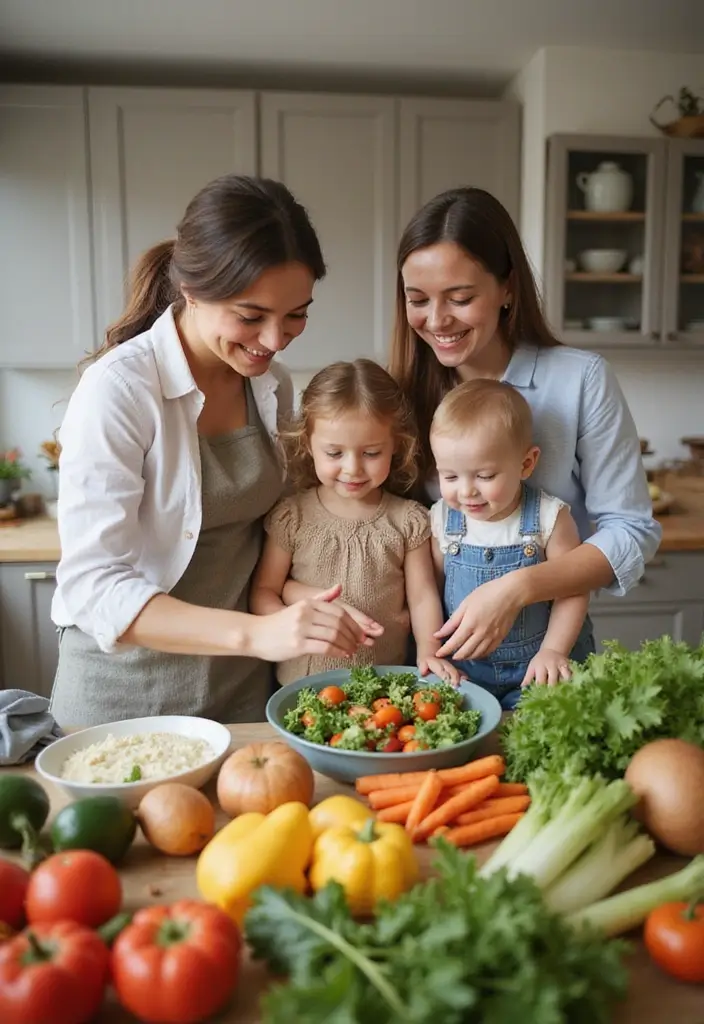
Navigating your toddler’s journey with veggies doesn’t have to be a chore. By understanding their preferences and adjusting your approach, you can foster healthier eating habits and a love for vegetables.
Keep experimenting with different techniques and remember that patience is key. Every little step counts in building a foundation for lifelong healthy eating habits!
Engage with your child, make mealtime fun, and celebrate every brave bite they take!
Note: We aim to provide accurate product links, but some may occasionally expire or become unavailable. If this happens, please search directly on Amazon for the product or a suitable alternative.
This post contains Amazon affiliate links, meaning we may earn a small commission if you purchase through our links, at no extra cost to you.
Frequently Asked Questions
Why is my baby avoiding veggies even when I offer them regularly?
It’s not uncommon for babies to avoid veggies, even if you present them consistently. Their taste buds are still developing, and they may be more sensitive to bitter flavors often found in vegetables.
To help your little one embrace veggies, try offering them in different forms—like purees, smoothies, or even as fun finger foods. Making the experience enjoyable can help them be more receptive!
What are some fun ways to encourage my baby to eat more vegetables?
Getting creative is key! Try incorporating veggies into fun shapes or mixing them into their favorite dishes, like pasta or pancakes. You can also involve your baby in the cooking process, letting them help wash or mix veggies.
Consider using colorful dips or sauces to make veggies more appealing. It’s all about making veggies exciting and engaging!
Are there specific vegetables that are better for babies to start with?
Absolutely! Start with mild-flavored veggies like sweet potatoes, carrots, or peas. These tend to be sweeter and less bitter, making them more appealing to babies. As they get used to these flavors, gradually introduce other veggies like broccoli or spinach.
Remember to cook them until they’re soft and easy to chew for your little one!
How can I ensure my baby is getting enough nutrients if they’re avoiding veggies?
If your baby is shying away from veggies, it’s essential to focus on diverse nutrition from other food groups. Incorporate fruits, whole grains, and proteins to ensure they still get essential vitamins and minerals.
Consider talking to a pediatrician or nutritionist for tailored advice and potential supplementation if needed. They can guide you on how to create a balanced diet for your toddler!
What should I do if my baby refuses veggies consistently?
Consistency and patience are key! Keep offering veggies without pressure and try having them available at every meal. Babies often need multiple exposures to a new food before they accept it.
It can also be helpful to model healthy eating by eating veggies yourself in front of them. Remember, making mealtime positive and stress-free will encourage your baby to explore new foods at their own pace!
Related Topics
baby nutrition
toddler meals
healthy eating
veggie aversion
parenting hacks
feeding tips
food preferences
easy recipes
child development
picky eaters
veggie strategies
nutrition advice




I never realized there were so many reasons behind my baby’s veggie aversion! It’s funny because I used to think they were just being picky. Have you tried any of these tips, and did they work for you?