

Teething can be a challenging time for both babies and parents alike. As your little one’s teeth start to break through, they may experience discomfort, leading you to seek out the best solutions. Baby teethers are often a go-to for many parents, but you might be wondering: Are baby teethers dangerous? This is the question I aimed to answer because knowledge is power when it comes to your child’s health and safety.
If you’re a new parent navigating the world of baby care, you’re likely filled with questions. You want the best for your baby, and understanding the nuances of teething safety is essential. This post is for you—whether you’re a first-time parent or just looking for tips to keep your baby healthy during this tumultuous time.
In this article, I’ve compiled seven essential tips that every parent should know about teething safety. From understanding the risks associated with various teething products to how to effectively clean them, these insights will help you make informed decisions. You’ll discover practical advice that can ease your worries, ensuring that your baby experiences as little discomfort as possible during this phase. Let’s dive into the world of baby teethers and find solutions that work for you and your child!
Key Takeaways
– Understand the potential risks of using certain teething products to keep your baby safe.
– Choose teethers made from high-quality materials that are free from harmful chemicals.
– Pay attention to the size and shape of teethers to prevent choking hazards.
– Regularly clean your baby’s teethers to maintain hygiene and prevent bacteria buildup.
– Avoid homemade remedies that may not be safe or effective.
1. Understand the Risks of Teething
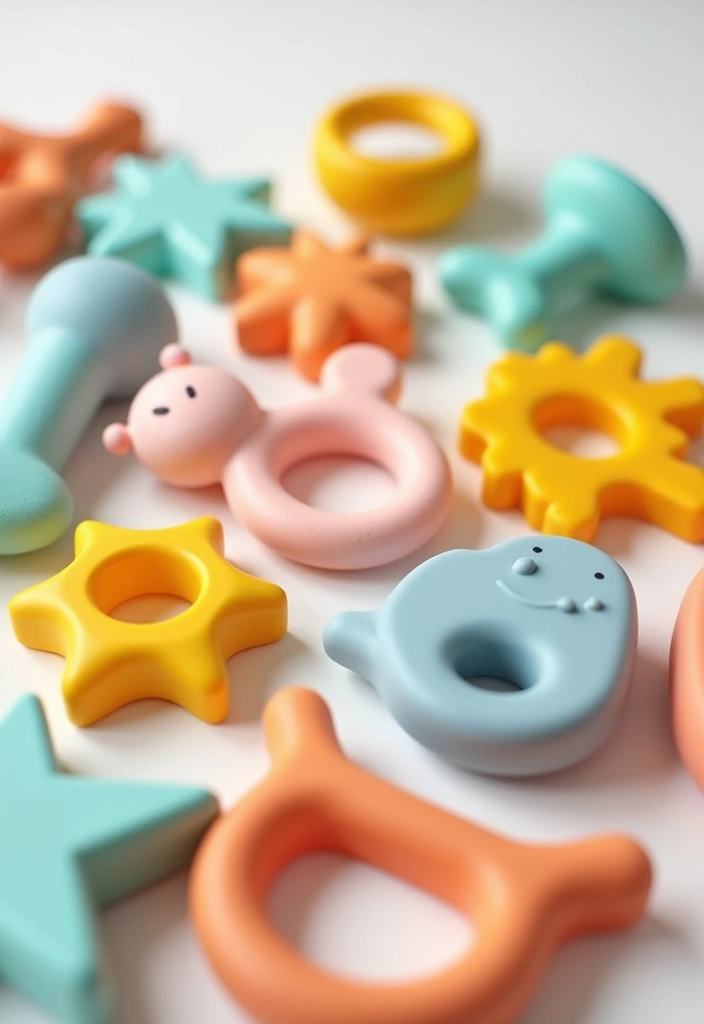
Knowing the risks of baby teethers helps keep your little one safe. Some teethers may contain harmful materials like phthalates or BPA, which can be dangerous if ingested. Look for teethers made from safe materials like food-grade silicone or organic materials instead. As seen on parenting blogs, awareness of these options is growing, making it easier for you to choose wisely.
When shopping, always check labels for safety certifications. Avoid teethers with small parts that could break off and create choking hazards. Instead, select solid designs that can handle your baby’s chewing. This way, you can ensure your baby’s comfort and safety while soothing their teething pain.
• Check for non-toxic certifications on products.
• Avoid small, detachable parts for safety.
• Stay clear of wooden teethers treated with chemicals.
• Choose large, solid designs for durability.
By staying informed about teething risks, you can select safer options that not only relieve discomfort but also support your child’s overall health.
Teething safety feels overwhelming, but it’s simpler than it looks. Choose teethers made from food-grade silicone or organic materials, check labels for safety certifications, and avoid small parts—your baby stays safe, and peace of mind follows naturally.
Understand the Risks of Teething
Editor’s Choice

Momcozy Baby Teether Toys | Baby Teething Toys | Baby Teething Relief | …
 Amazon$8.99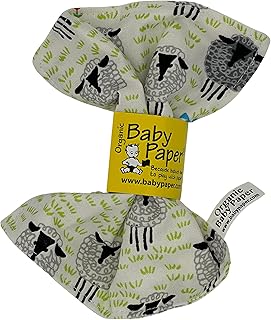
Original Baby Paper – Crinkle Teether and Sensory Toy for Babies and Inf…
Amazon$8.99
2. Look for High-Quality Materials
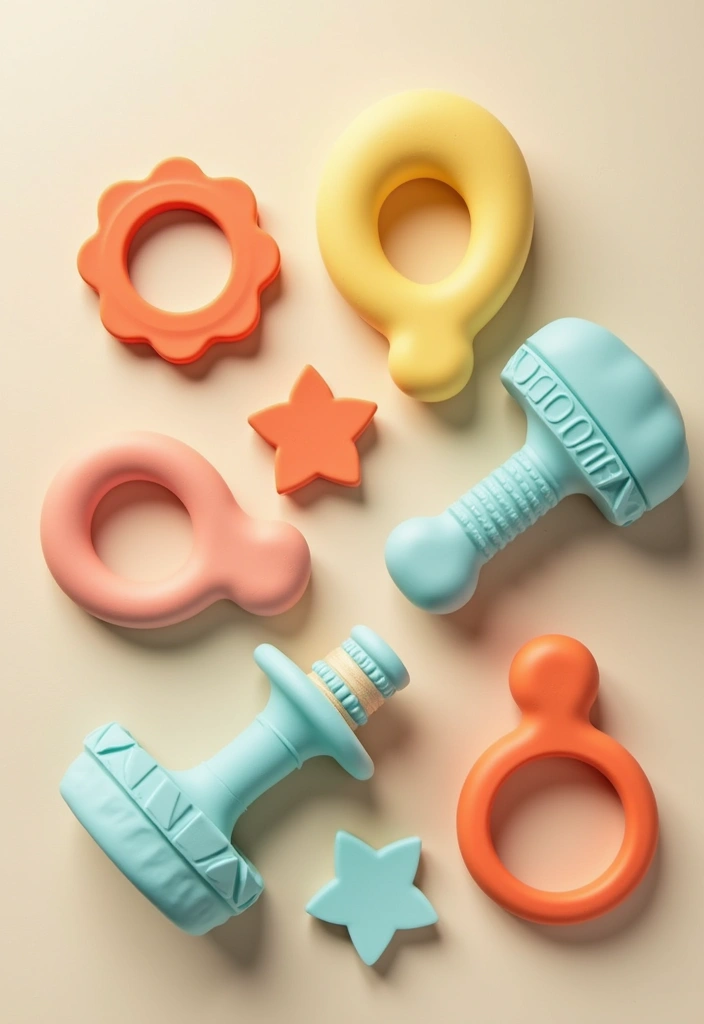
When choosing a teether, the material is key for your baby’s comfort and safety. Opt for teethers made from food-grade silicone, BPA-free plastic, or natural rubber. These materials are safe and durable enough to endure heavy chewing.
Avoid soft plastics that might have harmful chemicals hidden in them. Always look for teethers that comply with safety standards, ensuring peace of mind. Parents on forums often recommend silicone for its softness and flexibility, making it a popular choice.
• Choose silicone for softness and easy handling.
• Pick natural rubber for a comforting texture.
• Look for dishwasher-safe options for hassle-free cleaning.
• Buy teethers that meet safety certifications for assurance.
By opting for high-quality materials, you’re investing in your baby’s health and comfort during teething.
Look for High-Quality Materials
Editor’s Choice

3 Pack Ring Teether Baby Infant Toys, Baby Essentials, Silicone Teething…
Amazon$5.97
Moonjax Natural Rubber Baby Teething Toys – Baby teether for Infants, To…
Amazon$14.99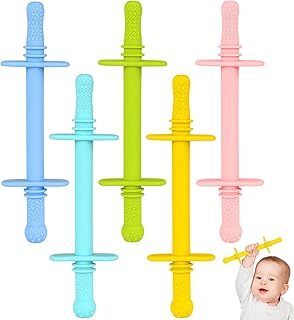
Fu Store Hollow Teether Tube Chew Straw Toy for Infant Toddlers Silicone…
Amazon$7.993. The Importance of Size and Shape
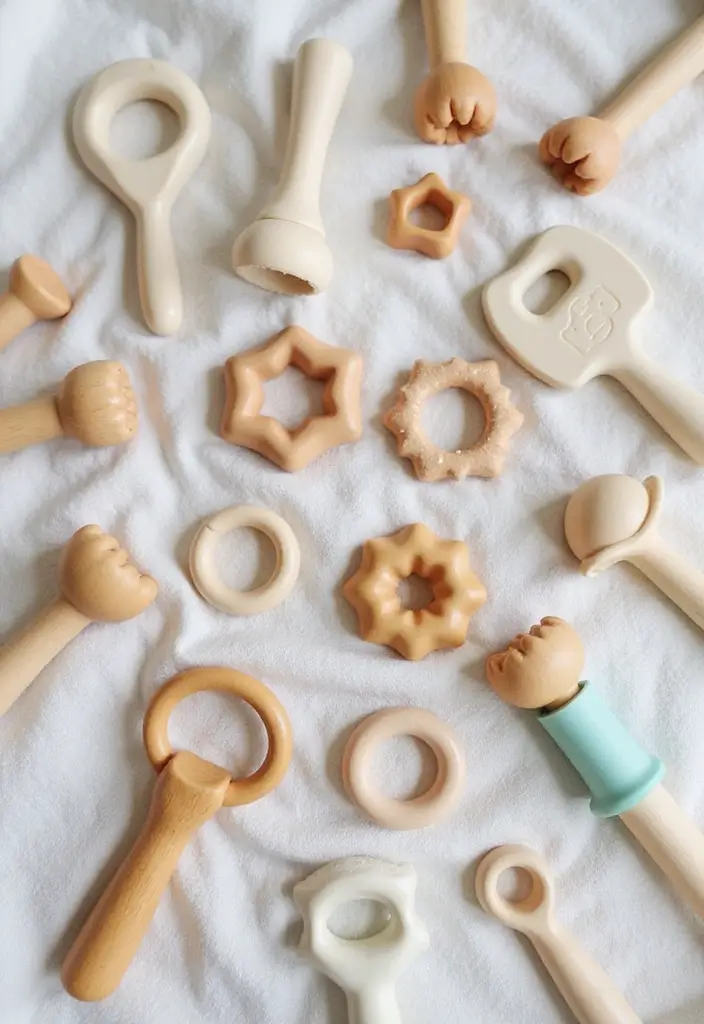
The size and shape of a teether are crucial for your baby’s safety. A teether that’s too small can be a choking hazard, while one that’s too big may be hard for tiny hands to hold.
Look for teethers specifically designed for infants. Shapes like rings and small blocks are easy for babies to grasp and chew. This design helps make the teething experience enjoyable while keeping safety in mind.
• Select lightweight teethers for easy handling.
• Ensure the design is ergonomic for small hands.
• Consider refrigerated options for cooling relief.
• Avoid overly large designs that can be difficult to manage.
Choosing the right size and shape not only enhances safety but also enhances your baby’s teething journey.
Teething safety starts with the right size and shape—too small is a choking risk, too big is hard for tiny hands. Look for lightweight, infant-designed teethers with rings or blocks to make chewing safer and more enjoyable.
The Importance of Size and Shape
Editor’s Choice

Infantino Water Teethers – Sensory Exploration and Teething Relief, Cool…
Amazon$6.99
haakaa Silicone Baby Teether Toys,Nipple-Shaped End for Gum Massage,360°…
Amazon$9.99
Infantino Water Teethers – Sensory Exploration and Teething Relief, Cool…
Amazon$6.994. Cleaning Your Teethers Regularly
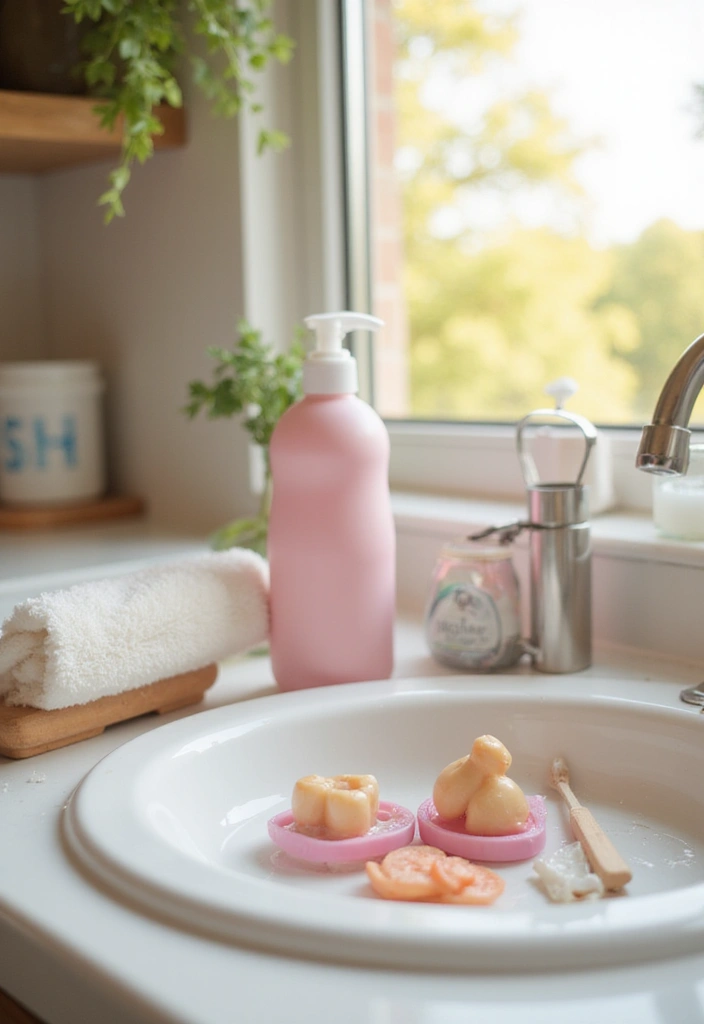
Keeping your baby’s teethers clean is essential for their health. Since babies often put teethers in their mouths, they can gather dirt and bacteria. Establishing a regular cleaning routine helps prevent these issues.
Use warm, soapy water for hand washing or choose dishwasher-safe options for easy cleaning. For an extra touch, consider using a natural disinfectant that’s safe for baby items.
• Wash teethers before first use and after each use.
• Store teethers in a clean area to avoid germs.
• Replace any teether that shows wear or damage.
• Consider natural cleaners for added safety.
Keeping teethers clean helps prevent infections and supports your growing baby’s health.
Cleaning Your Teethers Regularly
Editor’s Choice

Dr. Brown’s Ridgees Giraffe, Massaging Baby Teether, Designed by a Pedia…
Amazon$3.43
CleanSmart Daily Surface Cleaner and Pet-Safe Disinfectant, Kills 99.9% …
Amazon$17.46
Jochebed Baby Finger Toothbrush for Training Teething – Infant & Toddles…
Amazon$5.98You might also like

12 Foods to Ease Baby Constipation That Really Work (Prune Puree Wins!) – MomBlush
Secrets to Softer Stools: Best Baby Foods for Smooth Poop You Haven’t Tried – MomBlush
5. Avoid Homemade Remedies
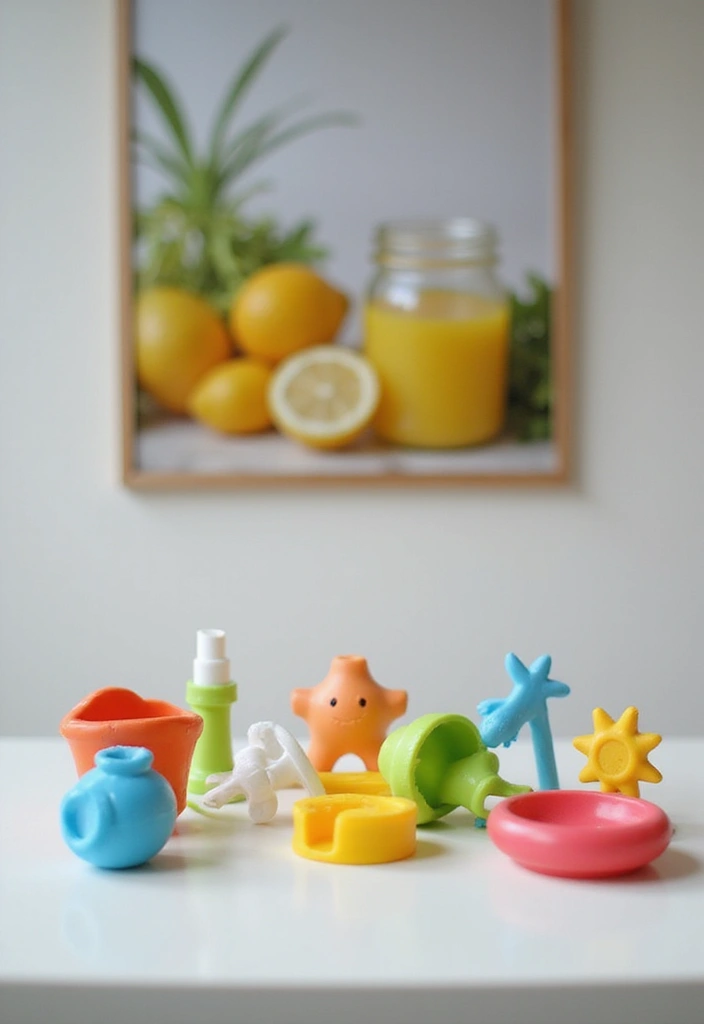
While DIY ideas for teething relief flood the internet, it’s wise to be cautious. Some homemade remedies can be unsafe or ineffective. For example, freezing a teether might seem appealing, but cold items can hurt your baby’s gums. Instead, choose teethers that can be chilled without freezing.
Stick with commercially available products designed specifically for teething relief. These options are tested and proven safe for infants.
• Don’t use honey or sweeteners—they can be harmful.
• Avoid frozen fruits in mesh bags to prevent choking.
• Choose products that are specifically designed for teething.
• Research safety ratings for peace of mind.
By avoiding homemade solutions, you can ensure your baby has the safest teething experience possible.
Avoid Homemade Remedies
Editor’s Choice
3 Pack Ring Teether Baby Infant Toys, Baby Essentials, Silicone Teething…
Amazon$5.97
Bright Starts Stay Cool Teethers, Water-Filled & Chillable, BPA Free Tee…
Amazon$3.99
Itzy Ritzy Silicone Teething Mitt – Soothing Infant Teething Mitten with…
Amazon$9.006. Monitor Your Baby During Teething
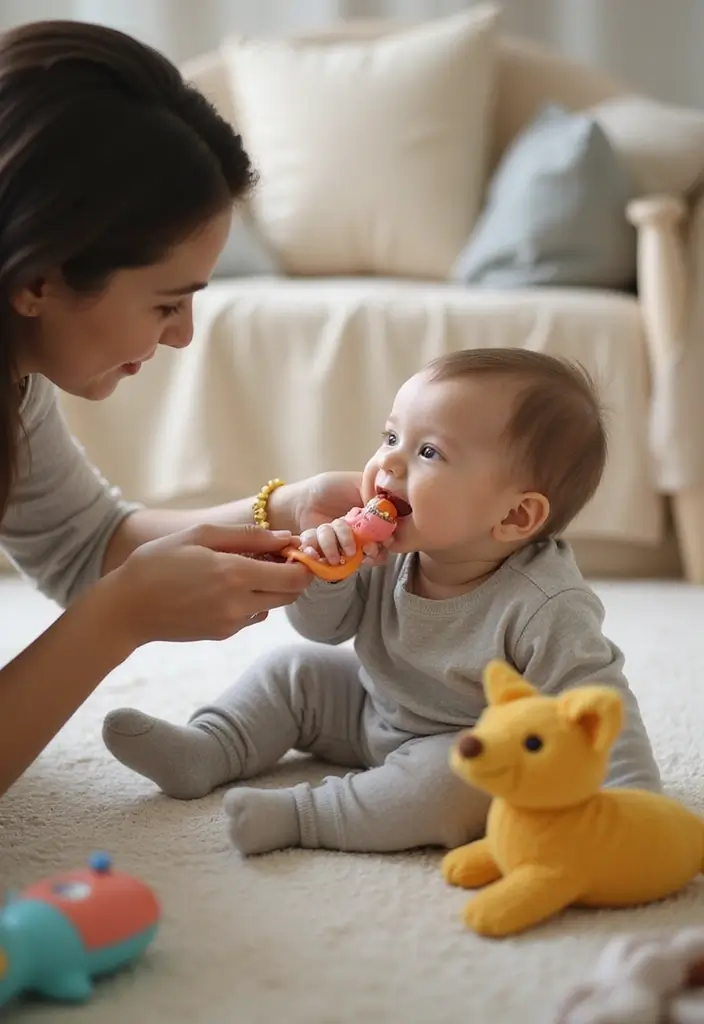
Keeping an eye on your baby during teething is crucial. Always supervise your child while they use a teether. This way, you can quickly address any discomfort or safety concerns they might have.
Watch for signs of excessive chewing or biting, which may mean the teether isn’t providing enough relief. Make sure they aren’t using the teether in ways that could lead to accidents.
• Create a safe play area for close monitoring.
• Limit teething time to a few minutes at a time.
• Consult your pediatrician if teething symptoms worry you.
• Always check teethers for damage before use.
By supervising your child, you can make the teething phase smoother and safer.
Monitor Your Baby During Teething
Editor’s Choice

2 Packs Baby Teething Toy for 0-6 6-12 Months, Food Grade Silicone Teeth…
Amazon$9.99
Itzy Ritzy Silicone Teething Mitt – Soothing Infant Teething Mitten with…
Amazon$9.00You Might Also Like
10 Homemade Baby Food Recipes That Your Little One Will Love (You Won’t Believe #4!) – MomBlush
10 Baby Led Weaning First Foods That Will Have Your Little One Asking for More! – MomBlush
7. Get Creative with Teething Relief
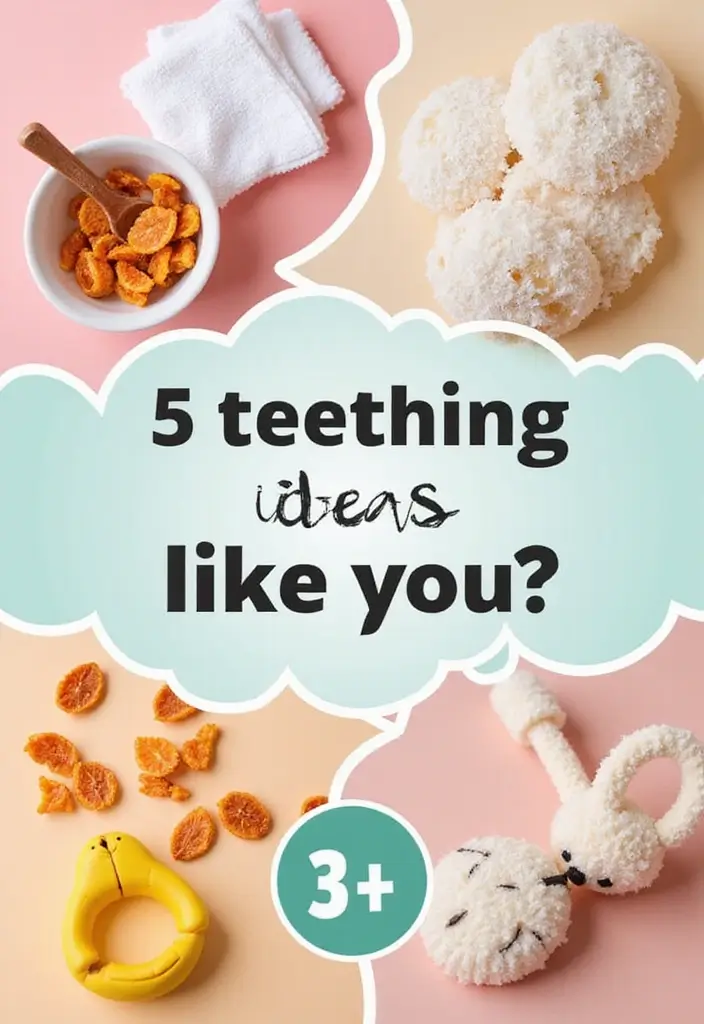
Teething doesn’t have to be all about teethers. You can explore different safe and effective teething relief methods. For example, a clean washcloth soaked in water can be chilled and used to soothe your baby’s gums.
You can also provide safe baby snacks like chilled fruit or vegetable puffs. These options can help satisfy their urge to chew while they wait for those teeth to emerge.
• Use infant-specific teething gels for relief.
• Offer soft, cold foods if they’re ready for solids.
• Try mesh feeders with ice for extra cooling.
• Always check for allergies with new foods.
Embracing these alternatives can help make teething a more manageable experience for you and your little one.
Did you know that 70% of babies find relief with a chilled washcloth, not just traditional teething toys? Safe teething safety tips—like soft, cold snacks and infant-safe gels—can calm gums and boost comfort.
Get Creative with Teething Relief
Editor’s Choice

Orajel Baby Daytime & Nighttime Cooling Gels for Teething, Drug – Free, …
Amazon$5.97
Munchkin Baby Feeder for Fresh Food and Fruit, 2 Pack, Blue/Mint
Amazon$4.79Conclusion

Navigating the teething phase doesn’t have to be overwhelming. With the right knowledge and tools, you can ensure that your baby has a safe and comfortable experience. Remember to choose high-quality teethers, maintain cleanliness, and always keep an eye on your little one. By following these essential tips, you can tackle teething with confidence and make this stage of development a bit easier for both you and your baby.
What are your favorite teething solutions? Share your experiences and tips—your insight might just help another parent!
Note: We aim to provide accurate product links, but some may occasionally expire or become unavailable. If this happens, please search directly on Amazon for the product or a suitable alternative.
This post contains Amazon affiliate links, meaning we may earn a small commission if you purchase through our links, at no extra cost to you.
Frequently Asked Questions
Are baby teethers safe for my child?
Absolutely, most baby teethers are safe when used correctly! However, it’s essential to choose teething products made from non-toxic materials and free of harmful chemicals. Always supervise your baby while they’re using a teether to ensure they don’t chew on it too aggressively or swallow any small parts.
What should I look for when choosing a teether for my baby?
When selecting a teether, look for options that are durable, easy to clean, and made from safe materials like silicone or natural rubber. Teething toys should also be the right size for your baby’s mouth to prevent choking hazards. Additionally, consider textures and shapes that can soothe sore gums.
How often should I clean my baby’s teethers?
It’s best to clean your baby’s teethers after every use, especially if they have been in contact with your baby’s mouth. Use warm soapy water and rinse thoroughly, or follow the manufacturer’s cleaning instructions. Keeping teethers clean helps maintain baby health and prevents the spread of germs.
Can teething cause other health issues in babies?
Teething can lead to some discomfort and might cause symptoms like mild fever or irritability, but it shouldn’t cause significant health issues. If you notice your baby experiencing severe symptoms, such as high fever or diarrhea, it’s wise to consult your pediatrician. Remember, teething is a natural part of development!
What are some essential tips for soothing my teething baby?
To soothe a teething baby, try offering a chilled teether, as the coolness can numb sore gums. Gently massaging their gums with a clean finger can also help. If your baby seems particularly fussy, consider using a soft washcloth for them to chew on. Always consult your pediatrician before using any over-the-counter remedies for teething pain.
Related Topics
teething safety
baby health
parenting tips
teether materials
infant care
safe baby products
teething discomfort
essential parenting
newborn care
baby teething advice
health risks
teething solutions



Thanks for sharing these tips! I never knew some teethers could be harmful. Have you ever tried giving your baby a frozen washcloth? It worked wonders for my little one!
I remember when my baby was teething, I thought the dog’s chew toy would work! Let’s just say that didn’t go well. What’s the craziest thing you’ve tried to soothe a teething baby?
Did you know that babies can start teething as early as four months? It’s wild to think they’re already working on those little teeth so soon!