


Becoming a new mom is an exciting journey, but it can also be overwhelming. One of the biggest questions you’ll face is about your breast milk and its shelf life. With so much information out there, you might find yourself searching for clear answers about how long you can store it and the best ways to do so. I created this post to help you navigate those common concerns and ensure that your little one gets the best nutrition from your breast milk.
If you’re a new mom, you’re likely to have plenty of questions swirling in your mind. You want to feel confident about feeding your baby, and understanding breast milk shelf life is a crucial part of that. From storage methods to what to do with excess milk, this guide is here for you. You’re not alone in wondering how to manage your milk supply and keep it safe for your baby.
In this post, you’ll find answers to seven frequently asked questions that every new mom asks about breast milk shelf life. You’ll learn practical tips for storing milk, how to tell if it’s still good, and what to do with any extra you might have. By the end, you’ll have a clearer understanding of how to best support your breastfeeding journey, giving both you and your baby the peace of mind you deserve.
Let’s dive in and clear up the confusion so you can focus on what really matters—bonding with your little one!
Key Takeaways
– Breast milk can be stored in the refrigerator for up to 4 days and in the freezer for about 6 months without losing quality.
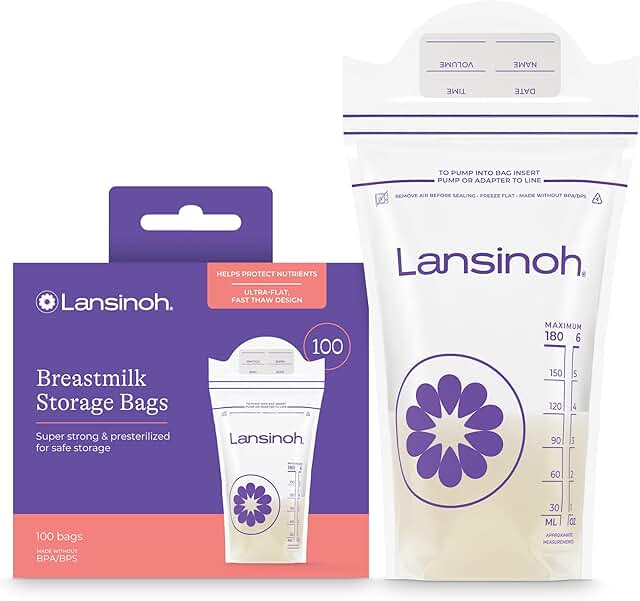
– Use clean, airtight containers or breast milk storage bags to keep your milk safe and fresh.
– Thawed breast milk can be reused within 24 hours but should not be refrozen.
– If you have extra milk, consider donating it or freezing it for later use, following safe handling guidelines.
– Signs that your baby is getting enough milk include consistent weight gain and a happy demeanor after feedings.
1. How Long Can Breast Milk Be Stored?

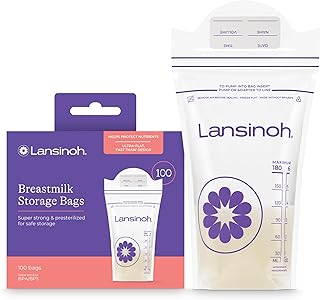
Knowing how long you can store breast milk is key for every nursing mom. Freshly pumped milk stays good at room temperature for about 4 hours. In your fridge, it can last 4 to 5 days, which is perfect for quick use. If you need to save it longer, freeze it for up to 6 months for best quality. You can even keep it for up to 12 months, but it may lose some nutrients. Here are some tips to help you store it right:- Always label your milk with the date and time you expressed it.- Store in small amounts, ideally 2 to 4 ounces, to prevent waste.- Use breast milk storage bags or clean bottles designed for this purpose.- Never refreeze thawed breast milk once it’s been warmed. By following these guidelines, you can keep your breast milk fresh and safe for your baby.
How Long Can Breast Milk Be Stored?
Editor’s Choice

Breast Milk Collection and Storage Bottles with Solid Lids – 6pk/5oz-150…
 Amazon$9.22
Kingtac 528 Pcs 1”x2.5”Milk Breast Bottle Labels,Baby Bottle Labels fo…
Amazon$7.992. What Are the Best Storage Methods?
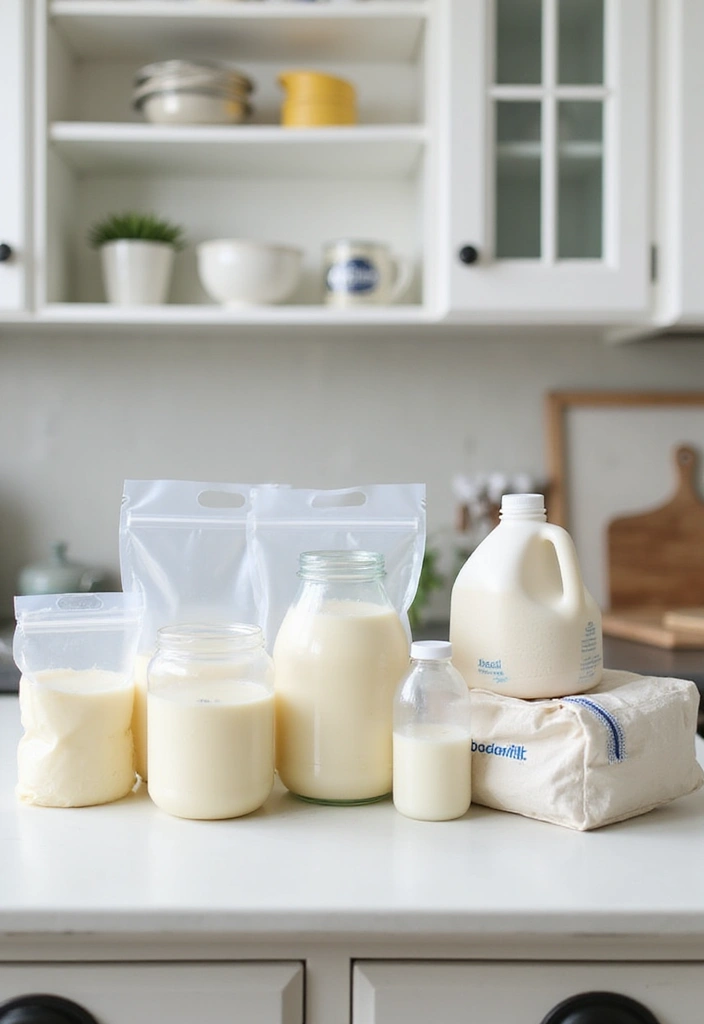
Choosing the right method to store your breast milk matters for keeping it safe. Here are some popular ways to do it:- Refrigeration is great for short-term storage. Use a dedicated container or bags that seal tightly. Store it on the shelves, not in the door, for better temperature control.- Freezing is the way to go for long-term storage. Use freezer-safe bags made just for breast milk. Ice cube trays work well for small amounts, so you can thaw only what you need.- Cooler bags with ice packs keep your milk safe when you’re out. Just remember to move it to the fridge as soon as you get home!Think about how soon you’ll use the milk when picking a method. Keeping it airtight is essential for freshness.
Fun fact: proper storage boosts breast milk shelf life—up to 4 days in the fridge and 6 months in the freezer. Use dedicated, sealable containers and ice cube trays to thaw only what you need, saving time and reducing waste.
What Are the Best Storage Methods?
Editor’s Choice

Baby Food Freezer Tray with Lid 2 Pack, Silicone Nibble Tray, Fruit Feed…
Amazon$7.99
Mancro Breastmilk Cooler Bag with Ice Pack, Fits 6 Baby Bottles Up to 9 …
Amazon$16.993. Can I Reuse Thawed Breast Milk?

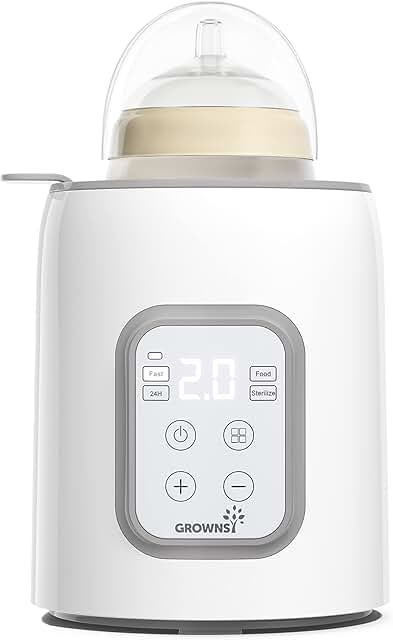
Many moms wonder if they can reuse thawed breast milk. The answer is no; once you thaw breast milk, use it within 24 hours. After that, you can’t refreeze it. This rule is important because bacteria can grow in thawed milk. Here are helpful tips:- Always thaw milk in the fridge or under warm running water.- Never use a microwave, as it can create hot spots that burn your baby.- If you warm the milk, use it within two hours, and throw away any leftovers. Following this rule helps keep your baby safe and reduces waste!
Can I Reuse Thawed Breast Milk?
Editor’s Choice
Bottle Warmer, GROWNSY 8-in-1 Fast Baby Milk Warmer with Timer for Breas…
Amazon$31.99
KT THERMO Instand Read 2-Inch Dial Thermometer,Best for The Coffee Drink…
Amazon$10.994. What If I Have Extra Milk?

If you have extra breast milk, you’re not alone! Many moms find themselves with more than they need, especially if they pump regularly. Here’s what you can do with that surplus:- Freezing is a great option to save your extra milk. Just use proper storage methods to keep it fresh.- Donating is another wonderful choice. Many milk banks accept donations, providing nutrition to babies who need it most.- Sharing with local breastfeeding groups can also help other moms looking for milk. Having extra milk can empower you by ensuring your baby has a steady supply and allows you to help others in need.
Have extra breast milk? Freezing is a smart way to extend your breast milk shelf life—just use proper storage. Consider donating to a milk bank or sharing with local breastfeeding groups to help others and keep your stash useful.
What If I Have Extra Milk?
Editor’s Choice

Vtopmart Breastmilk Storage Container 4PCS Set, Clear Freezer and Fridge…
Amazon$15.99
Breast Milk Jewelry DIY Kit – Stainless Steel Keepsake for Breastfeeding…
Amazon$45.00You might also like

Eat Your Way to More Milk: Increase Milk Supply with Lactation Foods You Can Enjoy and Hydration Hacks – MomBlush

Boost Milk Supply Quickly: Safe Milk Storage & Freezing Tips You Must Try – MomBlush
5. Does Breast Milk Spoil?

Yes, breast milk can spoil if stored incorrectly. It’s important to know how to tell if it’s gone bad. Fresh breast milk smells sweet and creamy, while spoiled milk can smell sour or rancid. Here are some signs to check for spoilage:- Smell it! If it smells off, it’s time to toss it.- A small taste can help confirm freshness, but make sure it’s safe for you.- Look for separation; some is normal, but clumpy texture means it’s probably bad.Using milk within the recommended timeframes ensures the best quality. Always trust your instincts—better safe than sorry!
Does Breast Milk Spoil?
Editor’s Choice
ThermoPro Refrigerator Thermometer with Large Backlit LCD Display, Water…
Amazon$13.99
Vtopmart Breastmilk Storage Container 4PCS Set, Clear Freezer and Fridge…
Amazon$15.996. Can I Mix Fresh and Frozen Milk?

Mixing fresh and frozen breast milk can be done safely, but there are guidelines to follow. Here’s what you need to remember:- Always mix fresh milk with thawed frozen milk. Do this right after pumping or thawing.- Label the container with the date of the newest milk added. Use it based on the oldest date.- Follow storage limits based on the oldest milk when mixed. Mixing can help you use up your milk while keeping it safe. This way, you avoid waste and keep your little one nourished!
Fun fact: there are 2 quick rules when mixing fresh and frozen milk. Always mix fresh milk with thawed milk and label the container with the newest date. This keeps your breast milk shelf life safe and waste-free.
Can I Mix Fresh and Frozen Milk?
Editor’s Choice

Freezer Labels 375pcs – 3″x1″ Self-Adhesive Removable Food Labels | Writ…
Amazon$5.99
YM-806 Hands Free Breast Pump with Storage Handbag, Slim Wearable Breast…
Amazon$54.99You Might Also Like

13 Reasons Why Babies Bite During Breastfeeding and How to Respond – MomBlush

10 Baby Led Weaning First Foods That Will Have Your Little One Asking for More! – MomBlush
7. What Are the Signs My Baby is Getting Enough Milk?

As a new mom, it’s normal to worry if your baby is getting enough milk. Here are some signs to look for:- Weight Gain: Steady weight gain is a good indicator. Babies usually regain birth weight by two weeks.- Wet Diapers: After the first week, expect 6-8 wet diapers daily, showing they’re getting enough fluids.- Content Baby: If your baby seems happy after feeding, they likely got what they needed.- Feeding Duration: Regular feeding patterns (8-12 times a day for newborns) suggest sufficient nutrition.These signs can reassure you on your breastfeeding journey. Remember, every baby is unique, so keep in touch with your pediatrician for personalized advice.
What Are the Signs My Baby is Getting Enough Milk?
Editor’s Choice

Beurer BY80 Digital Baby Scale, Infant Scale for Weighing in Pounds, Oun…
Amazon$39.97
Breastfeeding Log Book: Baby Daily Logbook & Tracker (Sized 6″x9″, 120 P…
Amazon$7.99Conclusion

Navigating the world of breast milk storage doesn’t have to be complicated. With these FAQs addressed, you now have the knowledge to manage breast milk shelf life confidently.
Remember that every mom’s journey is unique, and it’s all about finding what works best for you and your baby. Don’t hesitate to reach out to your breastfeeding community for support and advice. Keep nurturing that bond with your little one, one drop at a time!
Note: We aim to provide accurate product links, but some may occasionally expire or become unavailable. If this happens, please search directly on Amazon for the product or a suitable alternative.
This post contains Amazon affiliate links, meaning we may earn a small commission if you purchase through our links, at no extra cost to you.
Frequently Asked Questions
What is the shelf life of breast milk at room temperature?
Breast milk can safely sit at room temperature for up to four hours. If you’re out and about, it’s great to know you can leave it unrefrigerated for a little while! Just ensure that the room is not too warm. After four hours, it’s best to refrigerate or discard it to keep your little one safe.
Remember, the shelf life of breast milk can vary based on storage conditions, so always check the temperature!
How long can I store breast milk in the freezer?
You can store breast milk in the freezer for about 6 months for best quality, and up to 12 months is acceptable. Just make sure to use a freezer-safe container! When you’re ready to use it, simply thaw it in the fridge or under warm running water. Never refreeze thawed breast milk, as it can compromise its quality and safety.
This way, you can always have fresh milk ready for your baby!
What are the best storage methods for breast milk?
The best storage methods for breast milk include using sterilized glass or plastic containers with tight-fitting lids, or special breast milk storage bags. Avoid using regular plastic bags as they can leak or break easily.
Label each container with the date and time of expression, so you can use the oldest milk first. Following these tips ensures your milk stays safe and nutritious for your baby!
Can I mix freshly expressed breast milk with previously frozen milk?
Absolutely! You can mix freshly expressed breast milk with previously frozen milk, but be sure to cool the freshly expressed milk in the fridge first before combining them.
This helps maintain the quality of the frozen milk. Always remember to use the oldest milk first to minimize waste and keep your little one fed with the best possible nutrition!
Does breast milk lose its nutrients over time?
While breast milk does change over time, it generally retains its essential nutrients. However, it’s best to use it within the recommended shelf life to ensure your baby gets the utmost quality.
Factors like storage conditions can affect its nutritional content, but keeping it properly stored in the fridge or freezer helps maintain its benefits. Always prioritize using the freshest milk for your little one!
Related Topics
breast milk shelf life
new mom advice
breastfeeding tips
milk storage methods
frozen breast milk
breastfeeding community
safe milk handling
baby nutrition
first-time moms
breast milk preservation
easy breastfeeding
FAQ for moms




Thanks for breaking this down! I always wondered how long I could keep milk in the fridge before it turns into a science experiment. How do you keep track of the dates?
This was super helpful! I remember a time I forgot about a bottle in the back of the fridge… let’s just say it was a ‘fridge horror’ story! 😂
Did you know that breast milk can actually change its composition based on the baby’s needs? It’s like nature’s own custom formula!