


Here is why I made this post. Fetal growth restriction can feel scary, and many families get lost in medical words and numbers. I want to give you a simple plan you can start today. A plan that helps you stay calm, ask the right questions, and support your baby’s growth from the start. You deserve clear steps you can trust.
Who it’s for If you are pregnant or planning a pregnancy and you care about your baby’s growth, this post is for you. If you want practical steps you can try this week, you are in the right place. You will find guidance that fits real life, not a long medical manual.
What you’ll get You will get a practical plan you can start now. It covers five core steps: better daily nutrition, steady prenatal care planning, easy monitoring of growth and signs, simple ways to manage health conditions, and how to talk openly with your doctor.
Step one is nutrition. Eat a protein at each meal and add leafy greens to boost iron and energy. Step two is planning visits. Write down questions and set reminders for ultrasounds and blood work. Step three is knowing the signs to watch. Learn what changes would mean you should call your team. Step four is keeping chronic conditions under control. If you have high blood pressure or diabetes, follow your plan and stay active. Step five is talking with your doctor. Bring a simple health diary and a short list of questions to every appointment.
Here are practical examples you can start with this week. Print a simple meal plan and grocery list to keep you on track. Keep a refillable water bottle within reach. Set a reminder for your next prenatal check and ultrasound so nothing slips. Ask for a growth chart or a simple checklist that helps you see signs of slow growth.
Remember this guide is a helper, not a promise. Some growth issues happen even with good planning and strong care. This is a starting point you can adapt with your doctor. If you want, save this post and bring it to your next appointment. The main goal is to start planning now and keep momentum.
Contents
- Understanding Fetal Growth Restriction
- Preconception Care: Building a Healthy Foundation
- Nutrition for Optimal Fetal Growth
- Monitoring Your Pregnancy: Regular Check-ups
- Managing Chronic Health Conditions
- Reducing Environmental Risks
- Emotional Well-being During Pregnancy
- Importance of Support Systems
Understanding Fetal Growth Restriction
What FGR means for you
FGR is not your fault. It signals your baby may need closer care during pregnancy and after birth. Regular tests spot slow growth even when you feel fine. Early detection helps you and your medical team act quickly.
Common risk factors
– Poor nutrition that limits what the baby gets
– Long-term health issues like high blood pressure or diabetes
– Smoking, alcohol, or drug use
– Infections during pregnancy
Why regular check-ups matter
Regular visits and growth scans show how your baby grows week by week. If growth slows, your doctor may adjust care and set a plan for delivery that keeps both of you safer.
Practical steps you can take now
– Eat balanced meals with iron, protein, and calcium. Hydrate daily.
– Avoid smoking and secondhand smoke. Get help to quit if needed.
– Follow your health plan for any chronic conditions. Take medicines as directed.
– Get advised vaccines and practice good sleep and stress management.
– Track fetal movements and report big changes to your clinician.
What to expect from care
– Regular growth ultrasounds and fetal monitoring.
– Doppler tests to check blood flow.
– A delivery plan at a hospital equipped for your needs.
Next steps: talk with your prenatal team, make a simple plan, and keep notes of changes you notice.
Preconception Care: Building a Healthy Foundation

You want a healthy path to pregnancy. Preconception care helps you lay a solid base for fetal growth. Start here with simple, doable steps.
– Get a full health check. See your doctor or a nurse to spot problems. This gives you a plan before you try.
– Nourish your body. Eat a colorful mix of fruits and veggies, whole grains, and lean protein. Add foods rich in folic acid and iron. Hydration matters too. Water helps your body work well.
– Reach a healthy weight. Work with your clinician to find a weight goal that fits your frame. A stable weight lowers risk of trouble later. Small, steady changes beat big swings.
– Move every day. Try brisk walking, light cycling, or gentle yoga. Aim for about 30 minutes most days. Consistency beats intensity.
– Avoid risky substances. Do not smoke or drink alcohol. Skip illicit drugs and limit caffeine as advised. If you need help stopping, ask a pro.
– Protect your mind. Get enough sleep and use simple stress relief like breathing or short meditations. Create a calm routine you can keep.
Preconception care sets you up for growth and health. Plan with your care team, and take small steps you can keep.
Start your pregnancy journey on solid ground! Preconception care sets the stage for fetal growth restriction prevention—healthy eating, regular check-ups, and hydration can make all the difference!
Nutrition for Optimal Fetal Growth
– Folic Acid: Folic acid helps your baby’s brain and spine form. Take it daily as part of your prenatal vitamin, and eat leafy greens, beans, and fortified cereals.
– Iron: Iron keeps blood flowing to you and your baby. Pair iron-rich foods with vitamin C to boost absorption. Good options include red meat, lentils, spinach, and fortified grains.
– Calcium: Calcium supports bone and teeth building. Choose dairy or fortified plant milks, yogurt, and cheese as your main sources. Add almonds, sesame, or leafy greens for extra calcium.
– Omega-3 Fatty Acids: Omega-3 helps the brain and eyes grow. Eat fatty fish like salmon if your doctor okays it, or use walnuts, flaxseeds, and chia seeds as plant-based options. Include small amounts at several meals.
Hydration and smart snacking matter. Drink water often and keep a bottle handy. Snack on yogurt, fruit, hard cheese, or a handful of nuts to stay energized.
If you need ideas, try simple combos like oats with berries, yogurt with nuts, or rice and beans with greens.
Next steps: plan simple, repeatable meals. Talk with your clinician about any dietary needs or limits.
Nourish your baby with every meal! Remember, a balanced diet rich in folic acid, iron, and calcium is your secret weapon for optimal fetal growth. Start planning now for a healthy future!
Monitoring Your Pregnancy: Regular Check-ups

If you worry about fetal growth, regular prenatal visits are your best shield. They let you see how your baby grows and act fast if something changes. You can plan ahead for each check-up and feel calmer inside.
What to expect at each visit
– Ultrasounds check your baby’s size and flag problems.
– Blood tests check your health and flag issues that slow growth.
– Quick checks measure blood pressure, weight, and urine.
– You can talk about life, nutrition, and any symptoms you feel.
How to get the most from your visits
– Keep a simple log of symptoms between visits.
– Bring a list of questions for your doctor or midwife.
– Notice daily kicks and tell your clinician if movements slow or change.
– Follow guidance on meals, rest, and activity.
Why regular checks help
– They catch growth problems early, so you can plan care.
– They guide choices about diet, vitamins, and tests.
Next steps
– Book each appointment and keep it. If you need to reschedule, call early.
– If you notice severe pain or heavy bleeding, seek care right away.
Between visits, listen to your body. If movement changes or you feel headaches or swelling, call your team. Trust your instincts and stay connected with your provider. It helps you stay confident.
If you feel unsure, ask now and keep a record for safety.
You might also like

10 Essential Pregnancy Precautions Every Mom-to-Be Must Know in Her First Trimester! – Mom Blush

13 Glycemic Index Foods Perfect for Gestational Diabetes (You’ll Be Surprised by #5!) – Mom Blush
Managing Chronic Health Conditions

If you have diabetes, high blood pressure, or thyroid issues, staying steady helps with fetal growth restriction prevention. It lowers the risk of fetal growth restriction and makes pregnancy feel safer. You can do this by working with a trusted team, keeping meds in check, choosing healthy daily habits, and speaking up quickly about changes. That goal is worth the effort. Chronic conditions can affect how your placenta works, so careful care matters. And if you skip visits or meds, growth problems can rise and your baby may need extra care after birth.
Here is how you can act now:
– Work with an MFM specialist. Get a care plan that fits you and your baby, and feel confident your pregnancy is watched by an expert team.
– Take meds exactly as prescribed. Follow the prescription and discuss any side effects with your clinician so they can adjust safely.
– Eat and move wisely. Fill your day with balanced meals that include lean protein, fiber, and vegetables, and mix in safe activity like a 20‑minute walk most days.
– Track what you notice. Keep a simple log of your blood sugar, blood pressure, and thyroid symptoms, then show it at every appointment so tweaks can be quick.
– Stay connected with your team. Ask questions, share new signals, and call or message as soon as you spot something new.
– Build a healthy routine. Prioritize sleep, stay hydrated, and avoid smoking and alcohol for you and your baby.
Next steps: talk with your care team to start a plan today.
Managing Chronic Health Conditions
Editor’s Choice

iHealth Track Smart Upper Arm Blood Pressure Monitor with Wide Range Cuf…
 Amazon$27.98
Reducing Environmental Risks
– Be mindful of your surroundings – Limit exposure to pollutants, strong fumes, and second-hand smoke.
– Choose safer cleaning products – Many cleaners release fumes. Try natural options like vinegar and baking soda for most tasks.
– Improve indoor air – Open windows when you can. Use a fan to move air and reduce stuffy rooms.
– Check medications first – Ask your doctor before taking any over-the-counter medicines. Some drugs can affect pregnancy.
– Guard your work space – If you work with hazardous materials, talk with your employer about safer tasks or shifts.
– Plan for outdoor days – On days with heavy air pollution, limit outdoor time. If you must go out, consider protective gear and a mask.
Next steps – Keep a simple plan: breathe easier at home, ask questions about meds, and talk with your boss about safer tasks. Small changes in your surroundings can add up to a safer environment for your baby. A cleaner air space supports healthier growth.
Your environment plays a crucial role in fetal growth restriction prevention. Small changes, like choosing natural cleaning products and reducing pollutants, can make a world of difference for your baby’s health!
Reducing Environmental Risks
Editor’s Choice

Brickell Men’s Invigorating Body Wash for Men, Natural and Organic Deep …
Amazon$25.00
AROEVE Air Purifiers for Bedroom Home, Air Purifier For Smoke Pollen Dan…
Amazon$52.08
NoCry Safety Face Shield Mask for Work with Premium Anti Fog and Anti Sc…
Amazon$36.99Emotional Well-being During Pregnancy

Why your emotional health matters for fetal growth
Your mood matters in pregnancy. Stress and worry can affect how your body works and how your baby grows. For fetal growth restriction prevention, make mood care a steady part of your day.
Practical steps you can use now
These steps fit into a busy life and help you feel more in control.
– Practice mindfulness for a few minutes each day, using slow breaths and a calm focus to quiet racing thoughts and ease muscle tension.
– Reach out to a trusted person or join a group for expectant parents so you share worries, gain real support, and feel less alone.
– Talk openly with your partner about your worries and what helps you feel safe, so you both know how to support each other.
– If anxiety or sadness sticks around for more than a week, seek help from a counselor or perinatal mental health professional to learn coping skills.
– Prioritize sleep and rest because a rested body handles stress better and helps you and your baby grow.
– Create a simple daily rhythm with regular meals, light activity, and moments of calm so your mood stays steadier on busy days.
– Limit overstimulation by reducing late night screens, loud noise, and caffeine to help your mind settle and improve sleep.
Next steps: pick one tip to start today and watch how your mood and sleep improve.
Emotional Well-being During Pregnancy
Editor’s Choice

The Vibe Journal 13-Week Guided Mindfulness Journal for Men | Thoughtful…
Amazon$26.99
Essential Oils Set, Men Scents Fragrance Oil Aromatherapy Essential Oils…
Amazon$13.56You Might Also Like

12 Essential Vaccination Schedules Every Expecting Mom Needs to Know (Don’t Miss #5!) – Mom Blush

Is Your BMI Sabotaging Your Baby Dreams? Discover the Surprising Truth! – Mom Blush
Importance of Support Systems
– Emotional support A listening friend or partner helps you share fears and joys. A calm voice can ease worries after a long day. You sleep a bit better knowing you are not alone. A small, steady presence can make big days easier.
– Practical help Ask for rides to appointments, meals, or help with chores. Small favors add up to big relief. You gain time to rest and follow your health plan. Ask for help when you need it.
– Learning together Take childbirth classes or read about newborn care with someone by your side. Ask questions and compare notes. Learning turns worry into planning.
– Healthy habits Let your circle remind you to eat well, walk a bit, and take prenatal vitamins. Small nudges add up to strong health for you and baby.
– Make a plan Build a simple support map. List who can help with meals, rides, or quiet days. Share it with your clinician so everyone stays aligned. Keep it simple and flexible.
– Next steps Reach out to one trusted person today. Have a short talk about your needs. A solid support base keeps you steady. You can adjust as your life changes.
A strong support system is your best ally during pregnancy. Sharing your journey with a friend can make the toughest days brighter and your care plans easier to follow. You’re never alone in this!
Importance of Support Systems
Editor’s Choice

The Pregnancy Guide For Men: The ultimate first-time dad’s handbook on w…
Amazon$13.99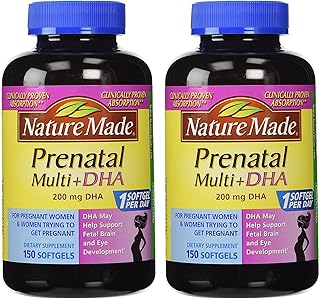
Nature Made Prenatal Multi + Dha, 200mg, 150 Softgels 2pack
Amazon$55.98
Stress Relief Essential Oil Roll-On Blend 10 ml – Natural Stress Relief …
Amazon$9.95Final Thoughts on Fetal Growth Restriction Prevention

Preventing fetal growth restriction is a multifaceted approach that begins with preparation and self-care. From nutrition to mental well-being, every aspect of your health matters in ensuring a thriving pregnancy.
By equipping yourself with knowledge and resources, you’re already taking significant steps toward a healthier future for your baby. Remember, it’s not just about avoiding risks; it’s about embracing a holistic approach to nurturing life.
Stay proactive, stay informed, and enjoy this remarkable journey toward motherhood.
Note: We aim to provide accurate product links, but some may occasionally expire or become unavailable. If this happens, please search directly on Amazon for the product or a suitable alternative.
This post contains Amazon affiliate links, meaning I may earn a small commission if you purchase through my links, at no extra cost to you.
Related Topics
fetal growth restriction
pregnancy planning
preconception care
nutrition tips
emotional well-being
environmental risks
chronic health management
support systems
healthy pregnancy
prenatal visits
preventive measures
family planning




Thanks for sharing such helpful information! I remember when I was pregnant, I got so anxious about every little thing. What’s the best advice you’d give to new parents worried about fetal growth?
This post is super informative! It reminds me of when I tried to bake a cake and forgot the sugar—total disaster! At least we can plan better for our little ones, right?