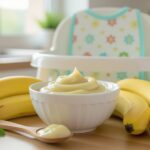


If you experience food poisoning while breastfeeding, focus on hydration and easy-to-digest foods. Drink plenty of water and broths, and consider ginger tea to soothe your stomach. Most pathogens don’t enter breast milk, so it’s safe to continue breastfeeding. Avoid fatty, spicy, and dairy products to reduce discomfort. If symptoms worsen, seek medical attention, especially for high fever or bloody diarrhea. There are more important strategies to help you recover and support your baby during this time.
Key Takeaways
- Continue breastfeeding, as most pathogens do not enter breast milk and it provides hydration and nutrients to your baby.
- Stay hydrated by drinking water, clear broths, and oral rehydration solutions to replenish lost fluids.
- Consume easily digestible foods like toast, rice, and bananas while avoiding fatty, spicy, and dairy products.
- Use natural remedies like ginger tea or peppermint to soothe stomach discomfort during recovery.
- Seek medical attention for severe symptoms, such as bloody diarrhea, high fever, or dehydration.
Understanding Food Poisoning Symptoms
Have you ever wondered what signs to look for if you suspect food poisoning? Recognizing symptoms early can help you feel more in control.
Common indicators include diarrhea, nausea, vomiting, and abdominal pain, which can hit within hours or take a few days, depending on the pathogen type. For instance, Bacillus cereus might strike quickly, while Campylobacter jejuni could take 2-5 days to manifest.
You might also notice a fever, chills, or loss of appetite. The symptom duration varies; some may last just a few hours, while diarrhea could linger for several days.
Safe Treatment Options While Breastfeeding
When faced with food poisoning while breastfeeding, it’s essential to know that you can still safely nourish your baby. Most pathogens don’t enter breast milk, so continuing to breastfeed can actually provide your little one with hydration and nutrients.
To manage your symptoms, focus on safe medications; be sure to consult your healthcare professional about what’s suitable for you. Natural remedies like ginger tea or peppermint can also help soothe your stomach.
Remember, staying hydrated is vital, so increase your fluid intake. Practicing good hygiene, such as frequent handwashing, can help prevent further issues.
If symptoms worsen or last more than a few days, don’t hesitate to seek medical attention for proper care. You’re not alone in this!
Importance of Hydration and Nutrition
Staying well-hydrated and nourished is essential for breastfeeding parents, especially when dealing with food poisoning.
You need to prioritize your hydration strategies and nutrition tips to support your recovery and your baby’s health.
Here are some important points to remember:
- Drink plenty of water and clear broths to combat dehydration.
- Breastfeed frequently; it provides hydration and nutrients to your baby.
- Consume easily digestible foods like toast, rice, and bananas for recovery.
- Use oral rehydration solutions if necessary, to replenish lost fluids.
- Trust that your breast milk helps protect your baby from infections while you heal.
What to Avoid During Food Poisoning
While dealing with food poisoning, it’s important to be mindful of what you eat and drink, as certain choices can worsen your symptoms and delay your recovery.
Being mindful of your food and drink choices is crucial for a quicker recovery from food poisoning.
Avoid common triggers like fatty, sugary, spicy foods, and dairy products; these can exacerbate gastrointestinal discomfort. Steer clear of alcohol and caffeinated beverages, as they lead to dehydration and can intensify your symptoms.
It’s also vital to refrain from raw or undercooked foods, which might introduce more pathogens when your digestive system is already struggling. High-fiber items can be tough to digest and may aggravate diarrhea and abdominal pain, so keep those off your plate.
Being aware of these dietary restrictions will help you heal faster and support your breastfeeding journey.
When to Seek Medical Attention

It’s vital to pay attention to your body’s signals during a bout of food poisoning, especially while breastfeeding.
If you notice any of the following symptoms, don’t hesitate to seek medical attention:
- Bloody diarrhea or a high fever exceeding 102°F (38.8°C)
- Inability to keep fluids down, along with signs of dehydration
- Diarrhea lasting three or more days without improvement
- Severe symptoms, especially if respiratory issues arise
- Persistent concerns about your health, medication compatibility, or hydration
Actively monitoring your symptoms and maintaining open healthcare communication is important.
Remember, it’s okay to ask for help. Your health and your baby’s well-being depend on it.
Trust your instincts—if something feels off, reach out to a healthcare professional. You’re not alone in this.
Tips for Preventing Food Poisoning
To prevent food poisoning, it’s essential to adopt safe food handling practices in your kitchen.
Start by cooking food thoroughly; guarantee meats reach safe internal temperatures, like 165°F for poultry.
Keep raw and cooked foods separate to avoid cross-contamination—use different cutting boards and utensils.
Store perishable items at appropriate temperatures, refrigerating leftovers within two hours and keeping your fridge at or below 40°F.
Remember to wash your hands frequently, especially before preparing meals and after handling raw ingredients.
Be cautious with high-risk foods, like raw eggs, seafood, and unpasteurized dairy, as these can harbor harmful pathogens.
Frequently Asked Questions
Can Food Poisoning Affect My Breast Milk Supply?
Food poisoning typically doesn’t affect your breast milk supply, as 99% of its composition remains unchanged. Maintaining breastfeeding safety and hydration helps keep your milk flowing, ensuring your baby gets essential nutrients and immune support.
How Can I Identify Food Poisoning Versus Other Illnesses?
To identify food poisoning versus other illnesses, compare symptoms. Look for diarrhea, nausea, and abdominal pain specific to foodborne issues. Distinguishing these from flu-like symptoms helps you understand your condition better and seek appropriate help.
Will My Baby Show Symptoms if I Have Food Poisoning?
Your baby likely won’t show symptoms from your food poisoning, as breastfeeding safety is high. However, keep an eye on them for any signs of illness, as other sources could also cause baby symptoms.
Can I Consume Herbal Teas During Food Poisoning?
You can consume herbal teas during food poisoning, like a warm hug for your stomach. Safe herbs can offer soothing benefits, but always check with your healthcare provider to confirm they’re right for you. Stay hydrated!
Is It Safe to Continue Taking Prenatal Vitamins While Ill?
Yes, it’s safe to continue taking prenatal vitamins while you’re ill. They support your health and breastfeeding safety. If nausea arises, try taking them with food or consult your healthcare professional for alternatives.
Conclusion
To sum up, if you experience food poisoning while breastfeeding, remember to stay hydrated, prioritize your nutrition, and avoid certain foods. Seek medical attention if symptoms worsen, and take preventive measures to protect yourself and your baby. By understanding the signs, practicing safe treatment options, and maintaining a healthy lifestyle, you can navigate this challenge with confidence. You’re not alone in this; support is available, and with the right steps, you can recover and continue caring for your little one.