


I put this together because early pregnancy news should be clear, not scary. Nuchal Translucency, or NT, is a word that shows up in scans around 11 to 14 weeks. This post breaks down what NT means and how it ties to chromosomal issues. If you’re pregnant or helping someone who is, you deserve honest, plain language notes you can act on.
If you’re in the first trimester, around 11 to 14 weeks, or you’re weighing which tests to trust, this post is for you. Expecting moms and partners who want clear facts will find this helpful. You care about your baby’s health and you want practical steps you can take now. This guide is written to be easy to read and easy to act on.
Here’s what you’ll get. You’ll learn what the NT measurement looks like on an ultrasound, and what the numbers might mean for chromosomal issues like Down syndrome or other conditions. You’ll see how doctors combine NT with a blood test to shape a risk number. NT is a screening tool, not a diagnosis, and the post explains what that means in plain terms. You’ll also get simple steps for what to ask next.
Practical steps you can use today. Ask your doctor when the scan should happen and how the measurement is done. Find out how your age, the NT result, and any blood test numbers fit together. If the risk looks high, ask about follow-up tests and counseling so you can decide what to do next.
Realistic expectations. NT helps you understand risk, but it does not tell you for sure if something is wrong. A high risk reading does not mean a baby has a problem. A low reading does not guarantee there is none. There are false positives and limits to the test, and you should know the numbers your provider shares.
Next steps. If this sounds useful, bring these questions to your next appointment and start a conversation with your doctor or a genetic counselor. If you want, share your concerns here and I can help you map out a plan that fits your family. You are not alone, and clear info can help you feel more in control during this time.
What is Nuchal Translucency?
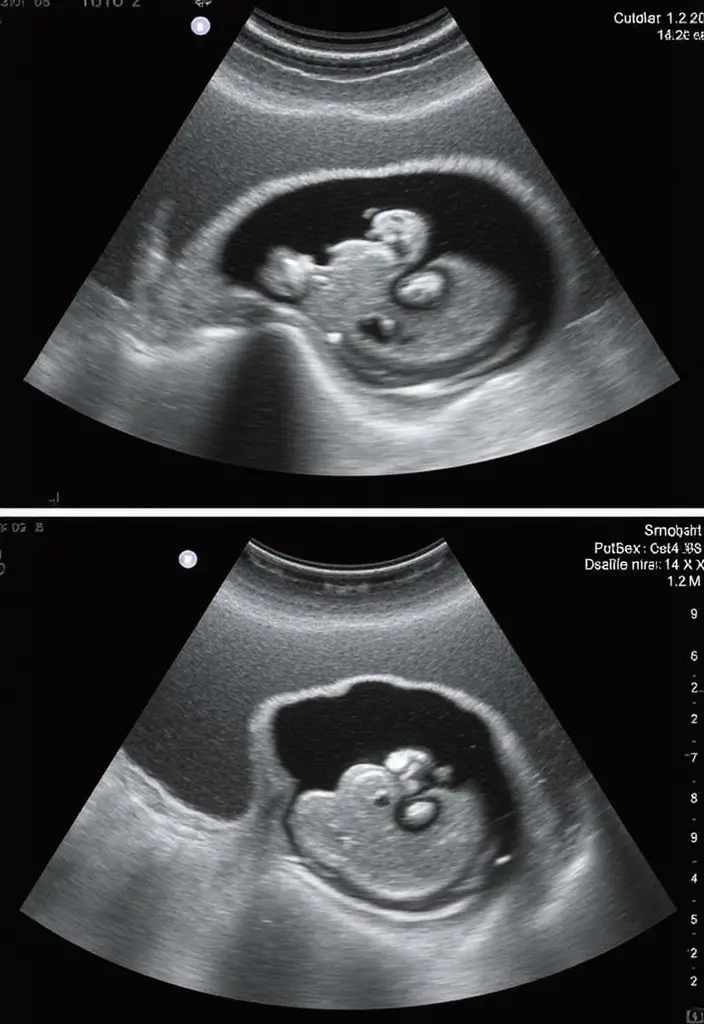
If you’re pregnant, you want a clear read on your baby’s health. Nuchal translucency is a small space at the back of the neck seen on an ultrasound. It is filled with fluid.
You’ll usually see it in the first trimester, around weeks 11 to 14. A thicker NT can mean a higher chance of chromosomal issues, such as Down syndrome, or other conditions. Still, a larger NT does not confirm a problem. It simply flags a need for more checks.
How the test works: NT is measured during a routine ultrasound. It is non-invasive and is often paired with a blood test. Together, they give a better risk estimate and help you decide what comes next.
Key points to know
– NT is measured in millimeters. Typical values are about 1.0 to 2.5 mm, but this can vary.
– An increased NT raises risk but does not prove an issue.
– This NT screen is part of a broader first-trimester screening.
Next steps
– Ask your doctor what the numbers mean for you.
– Talk about follow-up options if the risk seems higher.
– Remember that you can choose additional testing for more certainty.
What is Nuchal Translucency?
Editor’s Choice
Sonoline B Fetal Doppler Travel Case, the Official Hermitshell Hard Bag/…
 Amazon$29.99
Nature Made Prenatal with Folic Acid + DHA, Prenatal Vitamin and Mineral…
Amazon$21.25Why is Nuchal Translucency Important?
You want to know if the NT scan matters. It is a first trimester screening. It checks a small pocket of fluid at the back of the baby’s neck. The size helps doctors estimate the chance of chromosomal issues and how the baby is growing.
NT results are not a diagnosis. They tell you about risk. That early risk helps you talk with your care team, plan extra tests if needed, and prepare for possible outcomes.
Here is why NT matters:
– Early alerts can guide decisions and timing.
– Clear information may ease worry for many parents.
– A normal NT often gives reassurance about fetal health.
What to expect and how to act
During the scan you will stand with a calm tech who checks the tiny pocket and notes the measurement. Ask what range counts as normal and how age or other tests change your chances.
If NT is higher than normal, your team may suggest follow-up tests like noninvasive screens or, with consent, diagnostic tests.
Limitations to keep in mind:
– NT is a screening step, not a diagnosis.
– A single number does not tell the whole story.
– Factors like how far along you are, how the baby sits, and the machine used can influence the result.
Next steps for your plan:
– List your questions before the visit.
– If needed, discuss follow-up options and timing with your clinician.
– You can take notes and plan.
Understanding Nuchal Translucency is your first step towards informed decisions. Early risk assessments empower you to collaborate with your care team and prepare for every possibility.
Why is Nuchal Translucency Important?
Editor’s Choice

Pregnancy Journal for First Time Moms Gifts – 90 Pages Hardcover Pregnan…
Amazon$18.96
Sonoline B Fetal Doppler Travel Case, the Official Hermitshell Hard Bag/…
Amazon$29.99
Mayo Clinic Guide to a Healthy Pregnancy, 2nd Edition: Fully Revised and…
Amazon$15.00Understanding Chromosomal Abnormalities
What they are
– They happen when a cell copies a chromosome wrong, giving an extra or missing chromosome.
Common examples
– Down syndrome comes from an extra copy of chromosome 21.
– Turner syndrome and trisomy 18 are common conditions.
Symptoms at birth
– Some issues do not show at birth and may appear later in life.
Key facts
– Most problems start by a mix up in cell division.
– The risk rises after age 35.
– Many cases are random and not passed from parent to child.
Understanding these basics helps you talk with your care team and make plans.
What you can do now
– Start a conversation about screening and testing with your doctor early in pregnancy.
– Learn about options like noninvasive prenatal testing and ultrasound measurements of nuchal translucency.
– If a test result is not clear, consider diagnostic options such as CVS or amniocentesis and ask about their pros and limits.
– Seek genetic counseling to understand what findings mean for your family and future pregnancies.
Next steps: stay informed, ask questions, and choose the path that fits your situation.
Tell me your due date and I will adjust examples for you.
I can tailor this.
Understanding Chromosomal Abnormalities
Editor’s Choice
Nature Made Prenatal with Folic Acid + DHA, Prenatal Vitamin and Mineral…
Amazon$21.25Testing for Chromosomal Abnormalities
Testing options at a glance
– NIPT: A blood test you can have as early as 10 weeks. It looks at fetal DNA in your blood to estimate the chance of common chromosomal issues. It is non invasive and not a final diagnosis.
– CVS: Diagnostic test done around 10–13 weeks. It uses placental tissue to give a definite result and carries a small risk.
– Amniocentesis: Diagnostic test done around 15–20 weeks. It samples amniotic fluid to confirm conditions and carries a small risk.
Next steps: pick the test that fits your timing and your comfort with risk. No test has zero risk, and none brings perfect certainty. Talk with your doctor to weigh benefits and limits for your situation.
How to decide and what to ask
– What does each test check, and how accurate is it for me?
– How long before results come back, and what are the risks?
– How much does it cost, and will insurance help?
– If results are positive, what happens next?
Understanding your options is key when it comes to nuchal translucency testing. Whether it’s a non-invasive blood test or a diagnostic procedure, knowledge empowers you to make informed choices for your family’s future.
Testing for Chromosomal Abnormalities
Editor’s Choice
Nature Made Prenatal with Folic Acid + DHA, Prenatal Vitamin and Mineral…
Amazon$21.25Your Risk Factors: What to Consider
– Age: The older the mother, the more the chance of a problem. The shift is small at first, but it rises after age 35.
– Family history: If genetic disorders run in your family, that can raise your risk. A simple note to your clinician helps.
– Ethnic background: Some groups have higher rates for certain conditions. Knowing this can guide your conversations with a clinician.
– Past pregnancies: If a prior pregnancy had a chromosomal issue, it matters now. Your history can shape your plan.
– Other details: Any known health conditions in either parent or unusual results in earlier tests should be shared.
These factors don’t mean you will have a problem. They help you plan and talk better with your health team.
Next steps: gather your family health notes, and bring them to your next visit. Ask about tests that fit your situation, including NT screening, and what each option means. Consider genetic counseling if your risk is higher. This plan lets you move forward with clearer choices.
Understanding your risk factors for chromosomal issues is empowering. Remember, age, family history, and ethnic background can all play a role—knowledge is the first step in your journey!
Your Risk Factors: What to Consider
Editor’s Choice

Keepsake Pregnancy Journal to Cherish Forever – A Pregnancy Book to Capt…
Amazon$22.95
What to Expect When You’re Expecting: (Updated in 2025)
Amazon$9.43
You might also like

Your Comprehensive Guide to Fetal Growth Restriction Prevention: Start Planning Now! – Mom Blush

10 Essential Pregnancy Precautions Every Mom-to-Be Must Know in Her First Trimester! – Mom Blush
Emotional Considerations During Testing

Facing nuchal translucency testing can bring fear, worry, and many questions. These tests look for chromosomal issues too. The future may feel unclear. Your feelings are normal. You can navigate this with a simple plan.
Know your feelings
– Acknowledge what you feel. Anxiety and fear are common during testing.
– Name each emotion. That makes it easier to deal with.
– Give yourself time. It is okay to pause and breathe.
Build support
– Talk with your partner and a friend who listens.
– Reach out to a counselor or nurse navigator. They can guide you.
– Join a support group or online forum to hear others’ stories.
Learn the process
– Ask clear questions about the test steps.
– Understand what a positive or negative result means in plain terms.
– Plan what you will do next if results are uncertain.
Practical steps to stay steady
– Bring one calm person to appointments.
– Before visits, write down what you want to ask.
– Practice a few slow breaths when stress rises.
– After news, take a short walk to reset.
– Sleep well and eat regularly to keep your mood steady.
Remember, emotional health helps you think clearly and makes the testing journey easier.
Remember, you deserve support from the clinic team. If you feel overwhelmed, tell someone and take a brief pause. You can resume once you feel calmer. You are not alone.
Emotional Considerations During Testing
Editor’s Choice

Stress Relief Essential Oil Blend 30 ml – Stress Relief & Calm Essential…
Amazon$13.95
A Year of Mindfulness: A 52-Week Guided Journal to Cultivate Peace and P…
Amazon$7.13
4E’s Novelty 3 Pack Expandable Breathing Ball Sphere Toy – Expanding Str…
Amazon$19.99How to Prepare for Your Appointment

You want a smooth NT test. Good prep makes that possible. It eases worry and helps you talk clearly about what comes next.
Here is why prep matters: you’ll ask the right questions and leave with a clear plan.
– Write down your questions. Keep them simple. Ask what the NT means and how results affect your pregnancy.
– Bring medical history. Note prior pregnancies and outcomes. Include health issues that matter for the test.
– Gather records. Bring prior ultrasound reports and lab results.
– Plan support. A partner or friend can help you stay calm.
– Dress comfy. Arrive early. Bring water and a snack.
– Pack essentials. Bring photo ID, insurance card, and records.
– Bring a list of medications and allergies. This helps the doctor spot any quick safety concerns.
– Know what happens after. You may discuss results, chromosomal issues, and next steps.
– If you cannot find records, call the clinic early to learn what to bring.
Take a slow breath before you go. You will hear what the NT scan means and what comes next. Your notes keep the talk focused. If you like, bring a friend for support. You can move through this with calm and a plan. If you want, ask how NT results relate to chromosomal issues.
Preparation is your best friend for the Nuchal Translucency test. Keep your questions handy, and your medical history organized—clarity today leads to confidence tomorrow!
How to Prepare for Your Appointment
Editor’s Choice
Pregnancy Journal for First Time Moms Gifts – 90 Pages Hardcover Pregnan…
Amazon$18.96
Collapsible Water Bottles Travel water bottle Sports Portable Sport Wate…
Amazon$12.99
Due Date Prep Snack Bars – Natural Labor Prep Support for Pregnant Women…
Amazon$34.99The Role of Genetic Counseling

If you worry about chromosomal issues during pregnancy, genetic counseling can guide you with clear steps. You will get help to understand risk, results, and options that fit your needs. Here is why talking with a genetic counselor helps.
– Risk check: They review your family history and test results to estimate your chances.
– Plain explanations: They translate medical terms into simple words so you can make informed choices.
– Clear options: They explain testing choices, what each test can show, and how results might steer your plan.
– Emotional support: They listen to your fears, respect your values, and help you move forward with calm.
Next, you gain practical benefits. You leave with a plan you can follow, a list of questions to ask doctors, and a sense of control.
Next steps: To start, ask your doctor for a referral to a genetic counselor or look for one in your area. Bring any family history notes, current test reports, and your questions. You can think through several paths and pick the one that fits you best.
This support is practical and real for your family.
The Role of Genetic Counseling
Editor’s Choice


The Biblical Genealogy Chart, Family Tree from Adam to Jesus, Books of t…
Amazon$19.95You Might Also Like

The Truth About 3rd Month Miscarriage Concerns: What Every Mom Should Know! – Mom Blush

Unlocking the Maternal Impact: 7 Surprising Ways Your Diet Affects Fetal Development! – Mom Blush
Making Informed Choices

If you are weighing nuchal translucency screening and chromosomal tests, you want a path that fits your family. This choice shapes how you plan for the pregnancy and the days ahead. You can move from worry to a calm plan by taking small, clear steps.
Here is why these steps help you decide with confidence.
– Ask questions: Ask your doctor to explain what NT translucency results mean and what comes next. Ask for numbers you can compare. Ask about the risks of diagnostic tests and how long results take.
– Know your options: NT screening is not a diagnosis. It shows risk. A positive screen may lead to more tests. Learn about CVS or amniocentesis in plain terms.
– Reflect on your values: Think about what matters most—knowing early, planning ahead, or reducing worry. Your choice may shift with your culture, faith, or family plans.
– Monitor your emotional health: Talk with your partner, a friend, or a counselor. Give yourself time to feel and think. Emotions can guide your decision.
– Make a plan for next steps: Ask for written materials. Schedule a genetic counseling session. Set a small decision deadline so you do not stay stuck.
Your choice fits your family today.
Making Informed Choices
Editor’s Choice
Pregnancy Journal for First Time Moms Gifts – 90 Pages Hardcover Pregnan…
Amazon$18.96
Conclusion

Navigating the world of nuchal translucency and chromosomal issues can feel overwhelming, but knowledge is key to making informed decisions throughout your pregnancy. By understanding the importance of NT testing, recognizing risk factors, and exploring testing options, expectant parents can approach this journey with confidence.
It’s essential to seek support, communicate openly, and prioritize emotional well-being during this time. Remember, every step you take is part of a beautiful journey into parenthood!
Note: We aim to provide accurate product links, but some may occasionally expire or become unavailable. If this happens, please search directly on Amazon for the product or a suitable alternative.
This post contains Amazon affiliate links, meaning I may earn a small commission if you purchase through my links, at no extra cost to you.
Frequently Asked Questions
What Exactly is Nuchal Translucency and Why is it Important?
Nuchal Translucency (NT) refers to a small pocket of fluid found at the back of your baby’s neck during an ultrasound, typically between 11 to 14 weeks of pregnancy. This measurement is crucial as it helps assess the risk of certain chromosomal abnormalities, such as Down syndrome. An increased NT measurement may indicate a higher risk, prompting further testing to provide clearer insights into your baby’s health.
What Should I Expect During the Nuchal Translucency Screening?
During the NT screening, you can expect a non-invasive ultrasound that measures the fluid at the back of your baby’s neck. It’s a quick process, usually taking about 15-20 minutes. The technician will guide you through the procedure and answer any questions you might have. Remember, this test is a screening, not a definitive diagnosis, and results will be explained to you afterward, helping you understand your risk factors.
What Are the Next Steps if My Nuchal Translucency Results Show a Higher Risk?
If your NT screening indicates a higher risk of chromosomal abnormalities, don’t panic! There are several testing options available, including non-invasive prenatal testing (NIPT) and chorionic villus sampling (CVS). These tests can provide more definitive answers. It’s always a good idea to discuss these options with your healthcare provider or a genetic counselor to decide what’s best for you and your baby.
How Can I Prepare for My Nuchal Translucency Appointment?
Preparation can ease your mind before the NT screening. Make sure to drink plenty of water beforehand, as a full bladder can enhance the ultrasound images. Write down any questions or concerns you have to discuss with your healthcare provider. Understanding the procedure and what to expect can help alleviate anxiety, making the experience more positive and informative for you.
Is Genetic Counseling Recommended After Nuchal Translucency Screening?
Absolutely! If your NT screening results raise concerns, genetic counseling can be incredibly helpful. A genetic counselor can provide you with clear information about risks, testing options, and what the results may mean for your pregnancy. They offer support and guidance tailored to your unique situation, helping you make informed choices with confidence.
Related Topics
nuchal translucency
chromosomal abnormalities
first trimester screening
genetic counseling
pregnancy testing
risk assessment
emotional support
informed choices
healthcare decisions
ultrasound tips
expecting parents
pregnancy health




This topic is so important! I had my nuchal translucency scan last year, and it really made me appreciate how much technology has advanced. Have you or anyone you know gone through this process?
Reading about these tests makes me remember the time I almost fainted during my first ultrasound. I guess my love for pizza didn’t help with my nerves! What’s your funniest pregnancy moment?
Did you know that nuchal translucency measurements can help assess the risk of Down syndrome? It’s amazing how much we can learn from these tests! What other surprising facts do you know about prenatal care?
I remember feeling so nervous before my nuchal translucency scan, but it turned out to be a breeze! I even brought my favorite snack for the wait. Have you had any experiences that made you feel better during a medical appointment?