


I made this post for moms who feel lost in the first trimester. The body changes fast and questions stack up. You need simple, reliable guidance you can act on today.
If you are pregnant for the first time or you care for someone who is, this is for you. You want steps you can trust, not hype. You want to feel safer as you grow a little life inside.
Here you will find 10 essential precautions explained in plain talk. You will learn practical steps you can try this week. From folic acid to safe foods, sleep routines, and daily habits, these tips are designed to be easy to add into your day.
Let me give you some concrete ideas you can start with today. Take a daily folic acid supplement as your doctor recommends. If mornings are rough, keep crackers by your bed and sip water. Limit caffeine to about one cup a day and avoid alcohol entirely.
Protect your health with simple food rules. Avoid raw or undercooked eggs and meats, unpasteurized dairy, and soft cheeses like unpasteurized feta. Wash produce well and cook foods to safe temperatures. Reduce exposure to illness by washing hands, avoiding crowded places when you are sick, and asking your doctor about vaccines that are safe in pregnancy. Talk to your doctor about any medicine, vitamins, or supplements you take.
Some tips may not fit your situation. You know your body best, and a quick chat with your clinician can tailor these ideas to you. This guide aims to be practical and easy to use. In the sections that follow, we unpack each precaution with simple steps, checklists, and small routines you can try as you go. If you are ready, take one small change today and see how it feels.
1. Prioritize Prenatal Vitamins
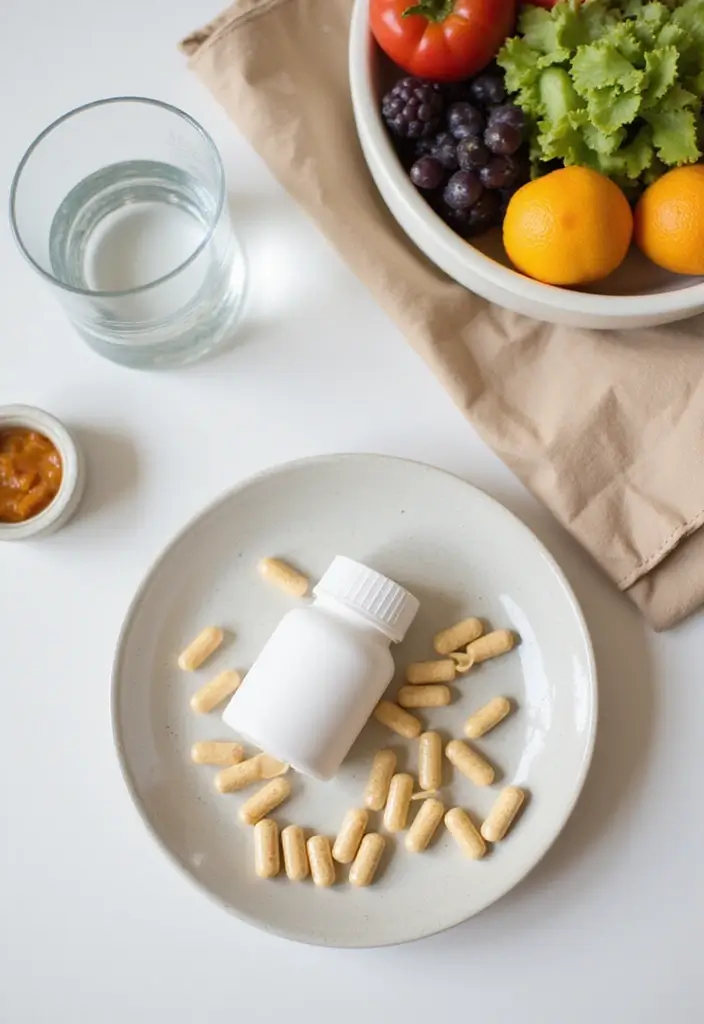
You want a strong start to your pregnancy. Prenatal vitamins can support you and your baby from day one. Folic acid helps prevent neural tube defects during the first trimester. Iron supports your blood and energy levels. Calcium keeps bones strong for you and your baby.
Here is how to use them well:
– Talk with your healthcare provider to choose the right prenatal vitamins for you.
– Read the label and aim for at least 400 micrograms of folic acid daily.
– Take your vitamins with a meal to cut down on stomach upset.
– Keep the bottle in a visible spot and set a simple reminder so you don’t forget.
– If iron causes constipation, drink more water and add fiber to your day.
– If you notice a metallic taste, try taking them at a different time of day or with a small snack.
– Share your routine with fellow moms-to-be to learn what works for them.
– If your pill has calcium, try to separate iron and calcium by a few hours.
Next steps: lock in your vitamin plan today and keep a simple log for a week.
1. Prioritize Prenatal Vitamins
Editor’s Choice

Nature Made Prenatal with Folic Acid + DHA, Prenatal Vitamin and Mineral…
 Amazon$19.32
Garden of Life Prenatal Vitamins for Women, Organics Folate for Energy &…
AmazonCheck Price
Garden of Life Prenatal Vitamins for Women, Organics Folate for Energy &…
AmazonCheck Price2. Embrace a Balanced Diet

In the first trimester, good food fuels your growing baby and keeps you strong. You do not have to eat for two in big, risky ways. Instead, aim for a simple, steady diet you can keep up.
– Balanced plates
Your plate should be colorful. Half of it should be vegetables and fruit. The other half should be lean protein and whole grains.
– Omega-3 power
Add foods with omega-3. Try salmon or walnuts. They help your baby’s brain and eye development.
– Nourishing snacks
Choose snacks that count. Greek yogurt, a handful of mixed nuts, or fresh fruit work well. They curb cravings and keep energy steady.
– Avoid the ultra-processed
Limit foods with extra sugar and lots of additives. They provide little real nutrition.
– Hydration matters
Drink water most of the day. If you drink tea or juice, pick unsweetened options.
– Track with a color diary
Keep a simple food diary that uses bright colors. It makes meals feel visual and motivating.
– Next steps
Plan meals, shop with a list, and prep ahead.
These small changes add up over weeks. They fit a busy day and keep you steady. If you stay consistent, you will feel better and give your baby a strong start.
Fuel your pregnancy with a balanced diet – think of your plate as a rainbow! Half veggies and fruits, paired with lean proteins and whole grains, can nourish both you and your growing baby effectively.
2. Embrace a Balanced Diet
Editor’s Choice

Sports Research Triple Strength Omega 3 Fish Oil – Burpless Fish Oil Sup…
Amazon$26.96
Bentgo Prep – 20-Piece 1-Compartment Reusable Meal Prep Containers with …
Amazon$12.53
Cora Kate Food Journal Diary, 5.5 x 8.5 Calorie Counter Book, 50-Page Do…
Amazon$8.493. Stay Active, Safely

Stay Active, Safely
– Here is why gentle movement helps. Healthy motion can lift your mood, ease back pain, and keep blood moving to you and baby.
– Pick easy workouts. Try walking, swimming, or a light prenatal yoga routine. Keep the pace slow and steady.
– Listen to your body. If you feel tired or sick, rest. If you have dizziness, chest pain, heavy breath, or pain in the belly, stop and call your doctor.
– Put safety first. Skip contact sports and moves that may injure your belly. Wear good shoes and choose flat ground. Drink water before, during, and after.
– Plan your pace. Aiming for moderate activity most days is fine if you feel good. Keep talk pace and light breathing as your guide.
– Find a buddy. Join a prenatal class or a local mom group. You can swap tips, walk together, and stay motivated.
– Talk with your doctor. Share your current routine and any new plans before you start a new exercise.
– Quick, doable tips. Carry a water bottle. Wear comfy clothes. Set a small daily goal, like a 15 minute walk.
3. Stay Active, Safely
Editor’s Choice


Dishwasher Safe 16oz Plastic Bottles with Caps Reusable BPA Free PP5 Jui…
Amazon$19.994. Get Plenty of Rest

– Here is why rest matters In the first trimester your body works hard for two. Hormones make you feel tired fast. Rest helps you keep up with chores and lets your baby grow strong. You may wake hungry at night; that’s common.
– Make your sleep space comfy Keep the room cool and dark. A fan helps move air and white noise can soften sounds. Use breathable sheets and a soft blanket for comfort. If you run hot, try a cooling pillow.
– Wind down with a simple routine A warm bath and light stretches help your body slow down. Quiet reading also helps you fall asleep easier.
– Keep a regular bedtime Go to bed at the same time most nights and wake at about the same time each morning. Dim lights before sleep and avoid screens.
– Naps are your friend Short daytime naps of 20 to 30 minutes can recharge you. Don’t nap late or it may disrupt night sleep. A brief pause in the afternoon can lift your mood.
– Hydration and meals Hydration and meals. Drink water through the day and choose small, balanced meals to keep energy steady. Limit caffeine after noon.
– When to seek care If fatigue stays heavy or sleep never feels restful, talk to your doctor. Seek urgent care if you notice trouble breathing, chest pain, or fainting.
4. Get Plenty of Rest
Editor’s Choice

QUTOOL Cooling Pillows for Sleeping 2 Pack, Shredded Memory Foam Bed Pil…
Amazon$38.98
Amazon Basics 4 Piece Microfiber Lightweight Wrinkle-free Breathable Bed…
Amazon$15.06
Magicteam White Noise Machine with 20 Non Looping Natural Soothing Sound…
Amazon$19.995. Manage Stress Effectively

Here is how you can keep stress from taking over in the first trimester.
– Breathing that calms you: Slow breaths help your body relax. Inhale for four counts, then exhale for six. Practice twice daily for best results.
– Mini daily routines: A five minute stretch or short walk can reset you. Small steps beat big mood swings.
– Ask for support: Tell your partner what you need. Let family help with meals or errands.
– Learn in a calm setting: Prenatal classes ease worries. Knowing what to expect lowers fear.
– Cozy stress corner: Create a quiet space with dim lights and soft music. Use it when crowds feel loud or you feel overwhelmed. Keep it tidy so you can rest.
– Hobby that helps: Choose a simple activity like knitting or plant care. A quick 15 minute break shifts your focus.
– Sleep and meals: Rest and steady meals keep mood steady. Avoid long gaps between snacks. Stay hydrated and sip water through the day.
– Limit stress info: Pick one reliable source and check it once a day. Too much data can spin you out. If it makes you anxious, stop reading.
– When stress feels heavy: Talk to your doctor if worries stay for days. You deserve support.
Next steps: try one tip today and add a second tomorrow.
Stress management is key in your first trimester! A few deep breaths or a short walk can reset your mood and keep pregnancy precautions in check. Remember, asking for support is a strength, not a weakness.
5. Manage Stress Effectively
Editor’s Choice

SALKING Essential Oil Diffuser, 100ml Small Aromatherapy Diffuser with A…
Amazon$11.54
Amazon Basics 1/2 Inch Extra Thick Exercise Yoga Mat with Carrying Strap…
Amazon$23.98
Stress Relief: Coloring Book for Adults and Kids, Bold and Easy, Simple …
Amazon$9.99You might also like

13 Healthy Comfort Foods That’ll Make Your Pregnancy So Much More Enjoyable (#8 Is a Must-Try!) – Mom Blush

12 Essential Vaccination Schedules Every Expecting Mom Needs to Know (Don’t Miss #5!) – Mom Blush
6. Stay Away from Toxic Substances
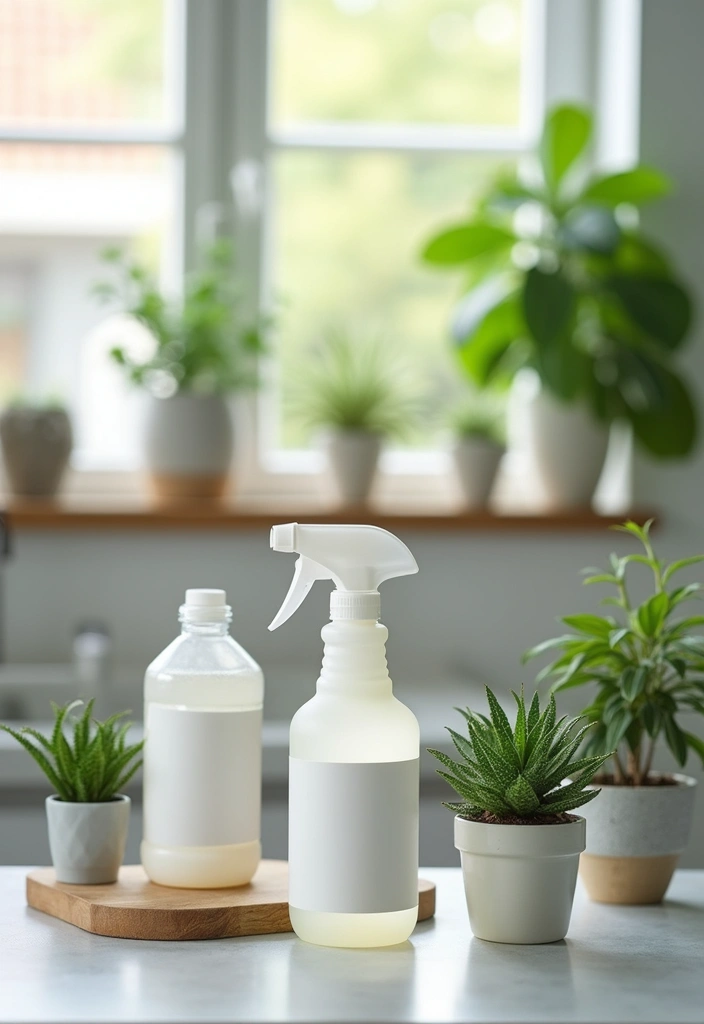
– Quit smoking and dodge secondhand smoke You deserve clean air. Stopping now lowers the risk for your baby. Tell family and friends to step outside. If you walk into a smoky room, leave and breathe fresh air.
– Avoid alcohol and recreational drugs No amount of alcohol is proven safe in the first trimester. It can hurt development. If you used drugs, talk to your doctor for a safe plan.
– Choose safe cleaners Read labels for non-toxic and low VOC options. Ventilate your space while you clean. Wear gloves and avoid strong sprays near your face.
– DIY cleaner basics Use a spray with half vinegar and half water for kitchens and baths. For tough stains, make a baking soda paste and scrub gently. Rinse well and let surfaces air dry.
– Be careful with pesticides Skip most sprays when possible. If you must use one, choose a product with mild ingredients and follow steps exactly. Wash produce before eating.
– Ask before OTC meds Do not take pills without your clinician’s ok. Keep a current list of medicines and show it at visits. When in doubt, call a nurse line for quick advice.
6. Stay Away from Toxic Substances
Editor’s Choice
Method Heavy Duty Degreaser, Lemongrass Scent, Oven Cleaner & Stove Top …
AmazonCheck Price
HARRIS Cleaning Vinegar All Purpose Household Multi-Surface Cleaner, 128…
Amazon$24.99
7. Keep Up with Regular Check-Ups

Here is why this simple habit matters. These visits help you and your baby stay safe. They let you catch small issues early and get clear guidance.
– Schedule and keep your appointments. Mark the dates on a calendar and set reminders so you never miss a check.
– Speak up when something feels off. Share new symptoms, tiredness, or pain with your clinician; they can find the cause and fix it.
– Learn about the tests you may have in early pregnancy. Blood tests check health and infection, while ultrasounds show the baby’s heartbeat and growth.
– Ask questions about the care plan. Get a clear outline of what will happen next and why the steps matter.
– Keep a pregnancy journal. Jot down questions, symptoms, and visit dates so you have a ready list for your doctor.
Not every test is needed for every mom. Your provider builds your plan from your health, history, and comfort. These visits give you answers, support, and a path you can trust.
7. Keep Up with Regular Check-Ups
Editor’s Choice

Pregnancy Journal for First Time Moms Gifts – 90 Pages Hardcover Pregnan…
Amazon$18.96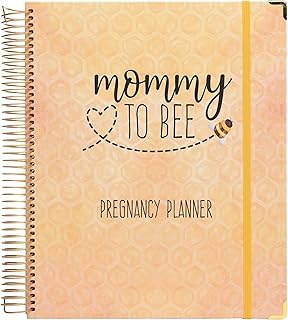
Global Printed Products Pregnancy Tracking Journal, 8.5″ x 11″
Amazon$29.95
Real Food for Pregnancy: The Science and Wisdom of Optimal Prenatal Nutr…
Amazon$29.958. Seek Support and Build a Network

Build Your Support Network
Here is why support matters in your first trimester. A good network eases fatigue, anxiety, and fear. A simple plan can keep you steady and safe.
– Join local mom-to-mom groups or antenatal classes. Hearing others’ stories in a cozy room helps you feel less alone.
– Meeting people in person gives you practical tips and real recipes you can try. You may find a buddy who texts you when morning sickness hits.
– Look online too. Calm forums and friendly pages can answer quick questions and share what helped others.
– You may find a buddy who shares tips on foods that settle your stomach and simple stretches that feel nice after long days.
– Lean on your partner and family. Have honest talks about your needs, fears, and plans.
– Ask for help with meals, chores, or rides to appointments. Small requests add up to big relief.
– Create regular touch points. Set a weekly call or short text check-in with someone you trust.
– A steady rhythm beats one big talk. Consistency matters more than a single talk.
– Bring your circle into the plan. Share your calendar, meal ideas, or comfort items that calm you.
– Let them know what helps you most. Be clear about what you need this week.
– Try prenatal classes or workshops. You’ll learn basics like nutrition and baby safety in a friendly setting.
– You’ll meet peers who walk beside you on this path. They can share the tiny wins and small struggles.
Here is how to start today. Pick one idea, then add another next week. Next steps: reach out, listen, and ask for help when you need it. You deserve a caring network.
8. Seek Support and Build a Network
Editor’s Choice
Pregnancy Journal for First Time Moms Gifts – 90 Pages Hardcover Pregnan…
Amazon$18.96
You Might Also Like

13 Glycemic Index Foods Perfect for Gestational Diabetes (You’ll Be Surprised by #5!) – Mom Blush

Is Your BMI Sabotaging Your Baby Dreams? Discover the Surprising Truth! – Mom Blush
9. Educate Yourself on Pregnancy Health

Knowledge is power in pregnancy. You gain calm when you understand your body. If you know what to expect, fears fade and choices feel clear. Let’s map out a simple plan for learning about pregnancy health.
– Build a simple learning plan. Pick three topics to start with, like labor basics, newborn care, and postpartum recovery. Here is why this helps you stay focused.
– Choose reliable sources. Look for government sites, major hospitals, and trusted health organizations. Misinformation drops fast when you verify data.
– Mix formats for carryable knowledge. Read short guides, listen to podcasts, and watch quick videos. Add notes to a reading list or a Pinterest board.
– Ask your provider for direction. Bring questions and ask for book or site recommendations. They can tailor tips to your due date, so you know what to plan.
– Practice what you learn. Learn simple labor cues, diaper changes, and safe sleep tips. Rehearse with a partner to build confidence.
– Keep it real and practical. Online tips can help, but they are not rules. Use them as ideas and talk with your clinician for safety.
Next steps: set a two week plan to collect resources, review them, and update your list as your pregnancy changes.
Knowledge is the best companion on your journey to motherhood. Educate yourself about pregnancy health, and watch your fears fade into empowering choices!
9. Educate Yourself on Pregnancy Health
Editor’s Choice

What to Expect When You’re Expecting: (Updated in 2025)
Amazon$9.43

10. Trust Your Instincts

You know your body better than anyone else. In the first trimester, small changes come and go. If something feels off, call your doctor or midwife. Don’t wait to feel sure. Asking for reassurance is part of staying safe.
Here is why listening to your intuition helps. It keeps you calm and helps you take quick action.
1) Listen to body signals. Unusual cramps, heavy bleeding, dizziness, severe headache, or a fever may need care. If you are unsure, contact your clinic right away.
2) Keep a simple worry journal. Write what worries you, when it happened, and what you did next. Looking back on it can ease fear and show patterns.
3) Make a small plan for action. Save the clinic number, know where to go in an emergency, and share the plan with a partner or friend.
Be kind to yourself. Rest when you feel tired. Sip water often. Eat small, steady meals. Avoid foods that can cause trouble and skip heavy activities that hurt.
If fears keep circling, talk them out with someone you trust. Processing worries helps you feel in control.
Start today: write down one worry, then decide who to call if it comes back.
Trust your instincts, mama! If something feels off during your first trimester, don’t hesitate to reach out to your doctor. Your intuition is a powerful guide in ensuring safe pregnancy precautions.
10. Trust Your Instincts
Editor’s Choice
Pregnancy Journal for First Time Moms Gifts – 90 Pages Hardcover Pregnan…
Amazon$18.96
Takeya Tritan Motivational Water Bottle with Straw Lid – Durable, BPA-Fr…
Amazon$19.99Conclusion

Navigating the first trimester is a memorable journey filled with excitement and anticipation. By following these essential pregnancy precautions, you’re setting yourself up for a healthy pregnancy. Remember, this is a time to embrace change and connect with your baby. Stay informed, and don’t hesitate to reach out for support whenever you need it.
Your well-being is just as important as that of your little one. Here’s to a beautiful pregnancy ahead!
Note: We aim to provide accurate product links, but some may occasionally expire or become unavailable. If this happens, please search directly on Amazon for the product or a suitable alternative.
This post contains Amazon affiliate links, meaning I may earn a small commission if you purchase through my links, at no extra cost to you.
Frequently Asked Questions
What Are The Most Important Pregnancy Precautions to Take in the First Trimester?
In the first trimester, prioritizing prenatal vitamins is essential, especially folic acid to help prevent neural tube defects. Additionally, embracing a balanced diet and staying active safely are crucial for your health and your baby’s development. Don’t forget to get plenty of rest and manage stress effectively!
How Can I Stay Active Safely During My First Trimester?
Gentle movement can be beneficial during your first trimester. Consider activities like walking, light stretching, or prenatal yoga. These exercises can help improve your mood, ease back pain, and enhance blood circulation. Always listen to your body and consult your healthcare provider for personalized advice!
What Should I Avoid During My First Trimester to Ensure a Healthy Pregnancy?
It’s crucial to stay away from toxic substances like tobacco and alcohol. Avoid secondhand smoke as well, as it can pose risks to your baby. Also, limit exposure to harmful chemicals and ensure you maintain a healthy, safe environment at home. Your baby’s health starts with a clean slate!
Why Are Regular Check-Ups Important in The First Trimester?
Regular check-ups during your first trimester are vital for monitoring both your health and your baby’s development. They allow healthcare providers to catch any potential issues early and provide you with clear guidance and support. Make it a priority to schedule and keep these appointments—they’re a key part of your pregnancy precautions!
How Can I Manage Stress Effectively in My First Trimester?
Managing stress is crucial during your first trimester. Techniques like deep breathing can help—try inhaling for four counts and exhaling for six. Additionally, building a support network of friends and family can ease anxiety and provide reassurance. Remember, taking care of your mental health is just as important as your physical health!
Related Topics
first trimester
pregnancy precautions
prenatal vitamins
balanced diet
stress management
healthy lifestyle
regular check-ups
support network
educational resources
safe movement
expecting moms
health tips



Thanks for sharing these important tips! I remember my first trimester, I was so paranoid I Googled everything. What was the most surprising thing you learned during your pregnancy?
This is such a helpful list! I swear, I became a professional label reader when I was pregnant. Why did the baby cookie cry? Because its mom was a wafer (wafer, get it)?