
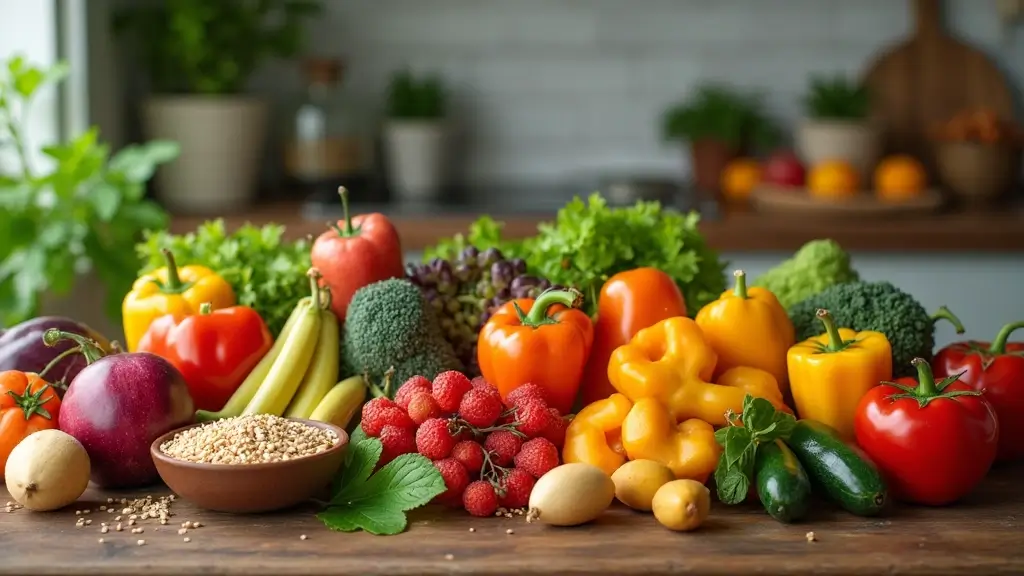

Here is why I wrote this. Why I made this post is simple: pregnancy advice can feel loud and scary. I want to give you real steps you can use, not hype. What you eat during pregnancy matters in small, real ways for your baby’s growth. This post shares seven practical ideas you can start today.
Who it’s for. If you are pregnant or plan to be, this post is for you. You want a healthy baby and simple meals that fit a busy life. You want tips that are easy to fit into your day, not a long set of rules.
What you’ll get. You will learn seven surprising ways your diet can affect fetal development. Each idea comes with a quick, doable tip you can try this week. No strict diets or big overhauls, just small changes you can actually keep.
Here is a preview of what you’ll find. Iron-rich foods help carry oxygen to your baby, so include beans, leafy greens, or lean meat. Folate from greens and fortified grains supports growing cells. Omega-3 fats from fish, flax, or walnuts help brain and eye development. Protein builds tissues. Fiber keeps digestion smooth and energy steady. Limiting excess sugar and caffeine helps balance your day. And timing matters—eating regular meals helps your blood sugar stay even.
How you put this into action is simple. Start with one small change this week. Plan a simple grocery list and stick to it. Add a leafy green at lunch, pair every meal with a protein, and switch to whole grains when you can. If you have health concerns, talk to your doctor. This plan is for guidance, not a substitute for care.
Diet is one piece of fetal health, not the only piece. You can feel more confident by taking small steps and watching what helps. By the end, you’ll have a clear, doable path for nourishing you and your baby. Next steps: choose one change and try it this week.
Contents
- 1. Omega-3 Fatty Acids and Brain Boosting
- 2. The Power of Folate for Spinal Health
- 3. Dairy for Strong Bones and Teeth
- 4. The Role of Iron in Blood Production
- 5. Hydration for Every Cell
- 6. Whole Grains for Lasting Energy
- 7. Limit Processed Foods for Optimal Nutrition
1. Omega-3 Fatty Acids and Brain Boosting
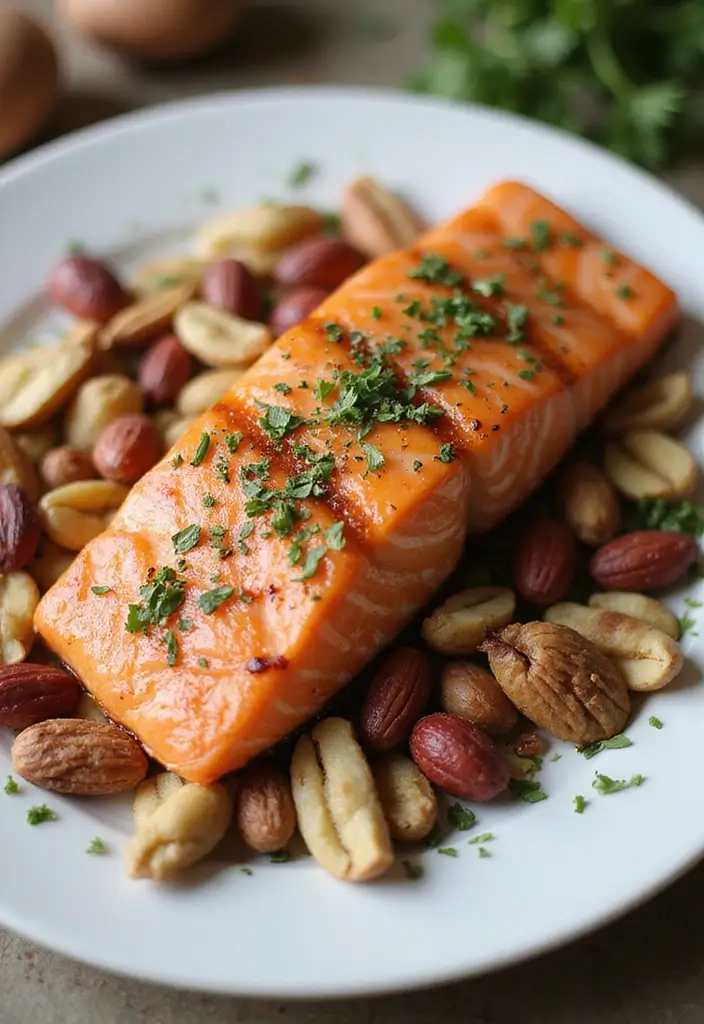
During pregnancy, your daily diet can shape your baby’s brain. Omega-3 fats play a big role. You can get them from salmon, walnuts, and flaxseeds. These fats help build the brain and support eye development.
DHA is the star omega-3 for a growing mind. Try to reach about 200-300 mg of DHA each day. If you skip fish, algae-based DHA is a good plant option.
Omega-3 fats matter because they feed the growing brain. They help brain connections form and may support learning later. You don’t have to rush. Just keep DHA in mind as you plan meals.
Safety and balance matter, too. Choose low-mercury fish and mix up your meals. Small changes add up to big gains over time.
Here are practical ways to add omega-3 to meals:
– Add a handful of walnuts to your morning oats or yogurt.
– Grill salmon with lemon for a simple, tasty dinner.
– Drizzle flaxseed oil on salads or blend ground flax into smoothies.
If needed, consider a DHA supplement from algae. Look for a label that shows 200-300 mg DHA per serving.
Next steps:
– Plan this week around omega-3 rich foods.
– Talk with your doctor about your daily DHA target and any dietary limits.
Start with one small change today.
Boost your baby’s brainpower with omega-3s! Just 200-300 mg of DHA daily can support their mind and vision. Add salmon, walnuts, or algae-based options to your plate for a powerful maternal impact!
2. The Power of Folate for Spinal Health
You want to protect your baby’s spine as you grow. Here is why folate matters: it helps prevent neural tube defects that can affect the spine and brain. It also helps form DNA and lets cells grow fast. This makes folate a daily must for many expecting moms.
Folate is easy to fit into meals. You’ll find it in leafy greens, lentils, beans, and fortified cereals. The goal is 600-800 mcg per day during pregnancy. Start with a bowl of fortified cereal with fruit, or blend a spinach and banana smoothie for a quick, tasty boost. Add greens to eggs, or toss beans into soups for extra folate.
Health tips:
– Take a folic acid supplement, especially in the first weeks of pregnancy. If you use a supplement, follow the labeled dose and your doctor’s advice.
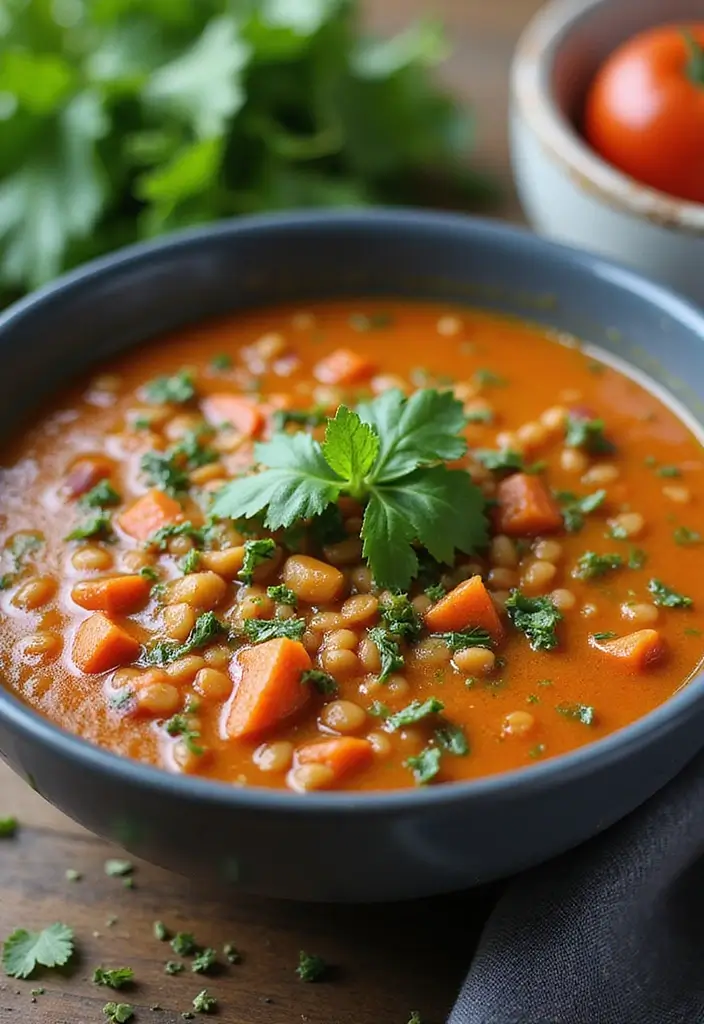
– Lunch on lentil soup or a bean salad to meet your folate needs.
– Snack on edamame or chickpeas for a quick, filling bite.
Next steps: by keeping folate in your daily routine, you support your baby’s developing nervous system and give growth a healthy start. Small daily steps add up and help you feel confident about your plan.
3. Dairy for Strong Bones and Teeth
You want a strong start for your baby. The key is calcium. Dairy products make it easier to reach that goal.
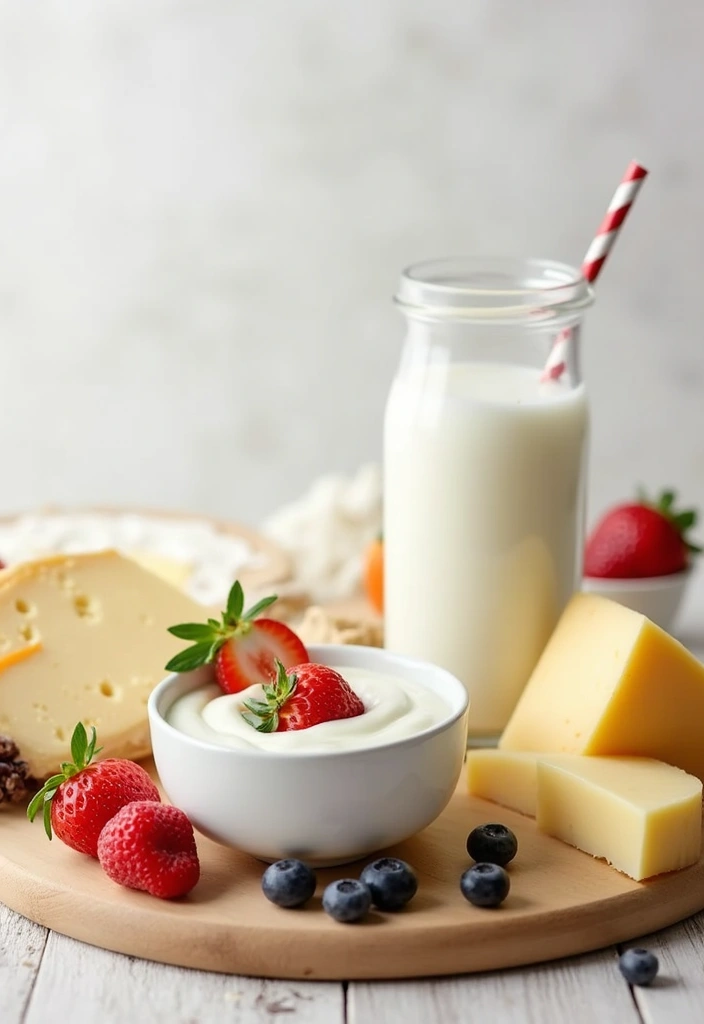
Dairy foods like yogurt, milk, and cheese give you calcium. They also supply protein and vitamins D and B12. These nutrients help your baby’s bones, teeth, and growth stay on track. If you can’t or choose not to have dairy, try fortified plant milks such as almond or soy milk. Set a goal of about 1,000 mg of calcium each day. If you like dairy, choose options with less fat to keep your heart healthy.
Here is why this matters: your daily calcium supports your baby’s skeleton now and keeps your own bones healthy for years to come.
Health tips:
– Add yogurt to smoothies or snack on it with berries.
– Toss cheese into salads or top whole-grain crackers.
– Stir chia seeds into yogurt for an extra calcium boost.
– Pour milk on cereal or use fortified plant milk in coffee or tea.
By choosing dairy or strong alternatives, you help your baby build a sturdy skeleton.
Strong bones and teeth start with you! Aim for 1,000 mg of calcium daily through dairy or fortified plant milks to support your baby’s healthy growth. Your diet has a profound maternal impact!
4. The Role of Iron in Blood Production
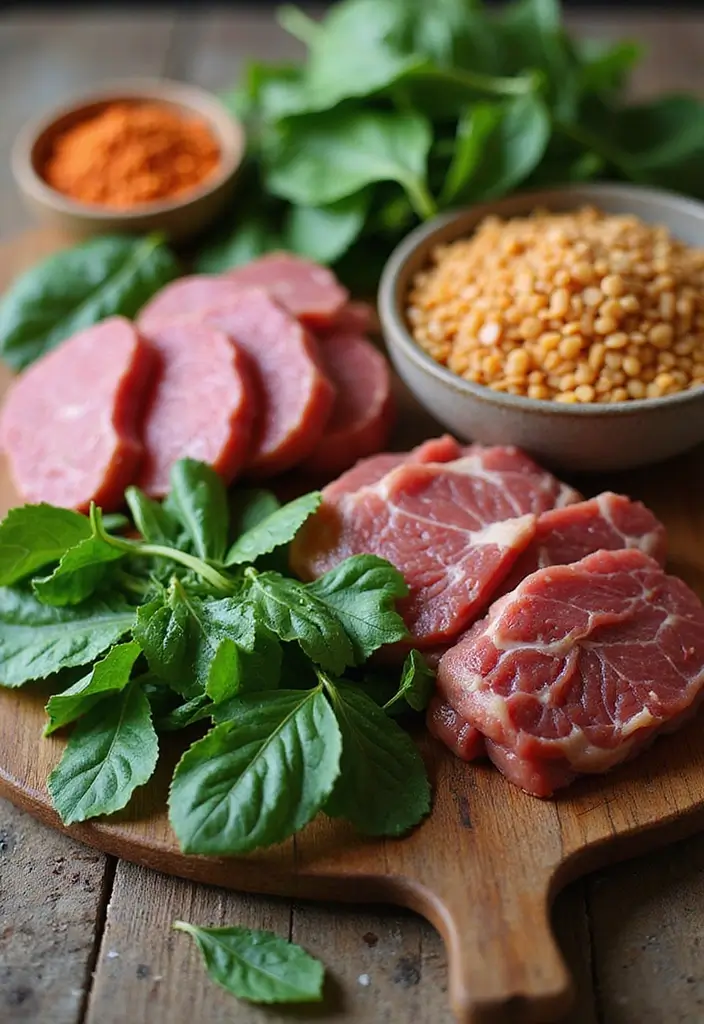
Iron helps your body fit more blood into your veins. During pregnancy, your blood volume grows fast. Iron stops anemia and keeps you energized. Your baby relies on your stores to grow. Here is why it matters. Heme iron comes from meat and is easy to absorb. Non-heme iron is from plants and needs help from vitamin C. So pair iron foods with citrus or peppers to help. If iron upset your stomach, drink water and add fiber.
Goal: about 27 mg of iron each day. You can reach this with smart choices.
Iron-rich foods to include
– Lean meats: beef, turkey, or chicken
– Dark greens: spinach and kale
– Beans and lentils
– Fortified cereals and breads
– Tofu and other fortified products
– Dried fruits: apricots and figs
How to boost iron absorption
– Eat vitamin C with iron. Try oranges, bell peppers, or strawberries
– Have a glass of juice with meals
– If you cook in cast iron pans, you may add small iron boosts
Next steps: make a simple daily plan.
Sample daily plan
– Breakfast: fortified cereal with berries
– Lunch: spinach in a turkey sandwich
– Snack: dried apricots
– Dinner: lean beef with peppers
If you still feel tired, talk to your doctor about iron needs. Some days you may still fall short. Your doctor can check iron levels and suggest a safe plan. Too much iron can cause tummy trouble. Iron helps you stay active and support your baby’s growth.
Boost your iron intake to support both your energy and your baby’s growth! Pair meat with citrus for a powerful punch of nutrients during pregnancy and keep anemia at bay.
You might also like

10 Essential Pregnancy Precautions Every Mom-to-Be Must Know in Her First Trimester! – Mom Blush

13 Healthy Comfort Foods That’ll Make Your Pregnancy So Much More Enjoyable (#8 Is a Must-Try!) – Mom Blush
5. Hydration for Every Cell
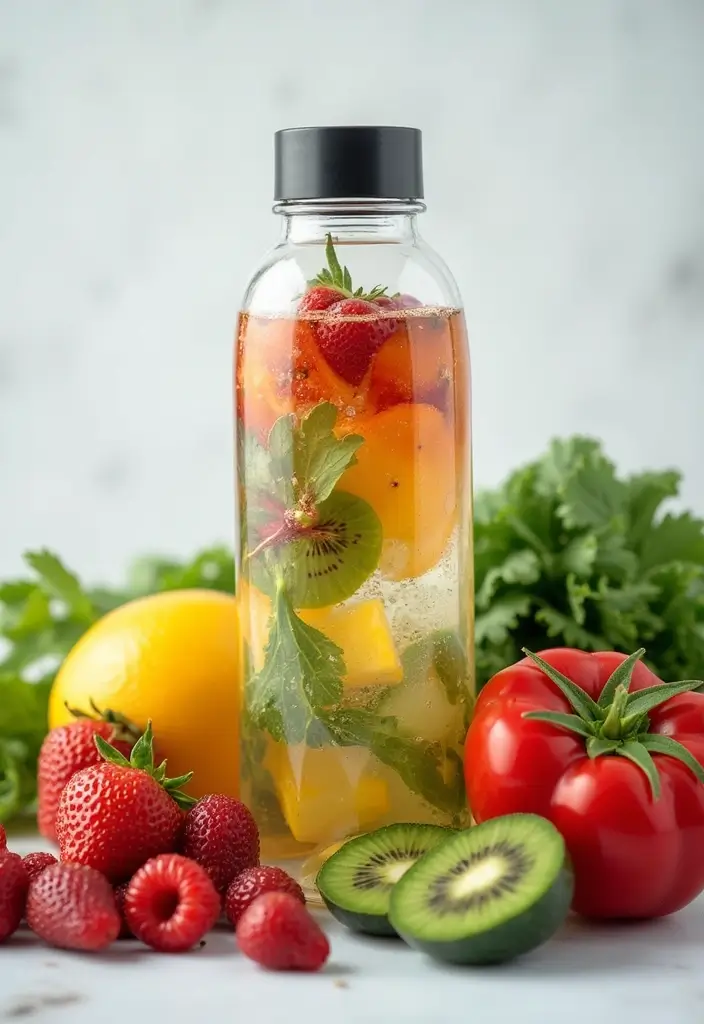
If you want a strong start for you and your baby, hydration is a good first move. Your body uses water in every system, so drinking enough helps more than you might think.
Here is why it matters. Water keeps digestion smooth, fuels nutrient transport, and helps your temperature stay safe. It also supports the amniotic fluid that your baby swims in, and it can ease constipation that comes with pregnancy.
Key tips for staying hydrated
– Aim for about 10 cups of fluids each day. It’s a simple target you can hit with planning.
– Mix it up. Water, herbal tea, smoothies, and gentle soups all count.
– Hydrating foods help too. Try watermelon, cucumber, oranges, and soups with broth.
What to sip and how to enjoy it
– Flavor your water with a slice of lemon, a few cucumber rounds, or a splash of mint.
– Make a quick smoothie with spinach, banana, and a little coconut water for a nutrient boost.
– Sip on ginger or peppermint tea if you feel nauseous or thirsty.
Watch for signs you’re well hydrated
– Light urine most of the day is a good sign.
– Dry lips or a dry mouth are signals to drink a bit more.
Next steps
– Keep a reusable bottle where you can see it.
– Set small reminders to sip every hour.
– Check in with your body, and adjust fluids if you heat up or sweat more.
By keeping hydration steady, you give every cell a steady flow and support your baby’s growth.
5. Hydration for Every Cell
Editor’s Choice

Water Bottle, 32 oz Motivational Water Bottles with Time Marker-Tritan &…
 Amazon$9.99
Electrolytes Powder Packets – Hydration Packets, Liquid Daily IV Hydrate…
Amazon$18.99
FullChea – Goji Berry Tea For Men, 30 Count X 6g – Premium Five Flavors …
AmazonCheck Price6. Whole Grains for Lasting Energy
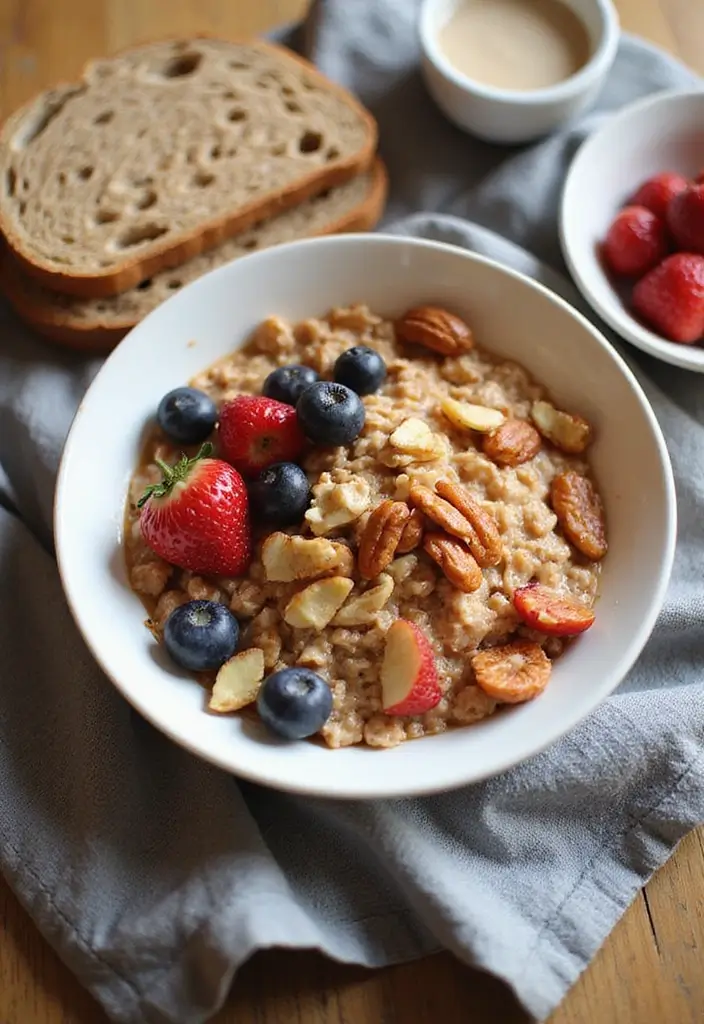
You want steady energy during pregnancy. Here is why whole grains help. They deliver fuel that lasts through long days. They bring B vitamins, iron, and fiber to your meals. These nutrients help your body turn food into energy. They also keep digestion moving, which can feel good on busy days.
Choose brown rice, quinoa, and oats often. They fuel you without a big crash later. They also support a calm, healthy gut. When you shop, read labels. Look for 100% whole grain as the first ingredient. Check fiber per serving to pick the higher fiber option. Pair grains with iron rich foods and a bit of vitamin C to help absorption.
Health tips:
– Start your day with oatmeal topped with nuts and fruit.
– Use quinoa as a base for salads or bowls.
– Plan one whole grain dish for lunch or dinner each day.
– Batch cook brown rice or quinoa on Sunday.
– Swap white bread for whole grain wraps in sandwiches.
Here is how to put this into action this week. By keeping staples on hand and planning ahead, you can make whole grains a simple habit. Pair each grain with a protein and a veggie to keep energy steady. Over time, this simple shift fuels your body and supports your baby’s growth and brain development.
Fuel your pregnancy with whole grains – they’re your best buddies for lasting energy! Packed with B vitamins and fiber, they keep your gut happy and your days energized without the crash.
6. Whole Grains for Lasting Energy
Editor’s Choice

Yupik Organic Whole Oat Groats,2.2 lb (35.2 oz), Non-GMO, Vegan, Kosher,…
Amazon$10.57
365 by Whole Foods Market, Organic White Quinoa, 12 oz, (Frozen)
AmazonCheck Price
BEN’S ORIGINAL Ready Rice Whole Grain Brown Rice, Easy Dinner Side, 8.8 …
Amazon$8.88You Might Also Like

13 Glycemic Index Foods Perfect for Gestational Diabetes (You’ll Be Surprised by #5!) – Mom Blush

12 Essential Vaccination Schedules Every Expecting Mom Needs to Know (Don’t Miss #5!) – Mom Blush
7. Limit Processed Foods for Optimal Nutrition
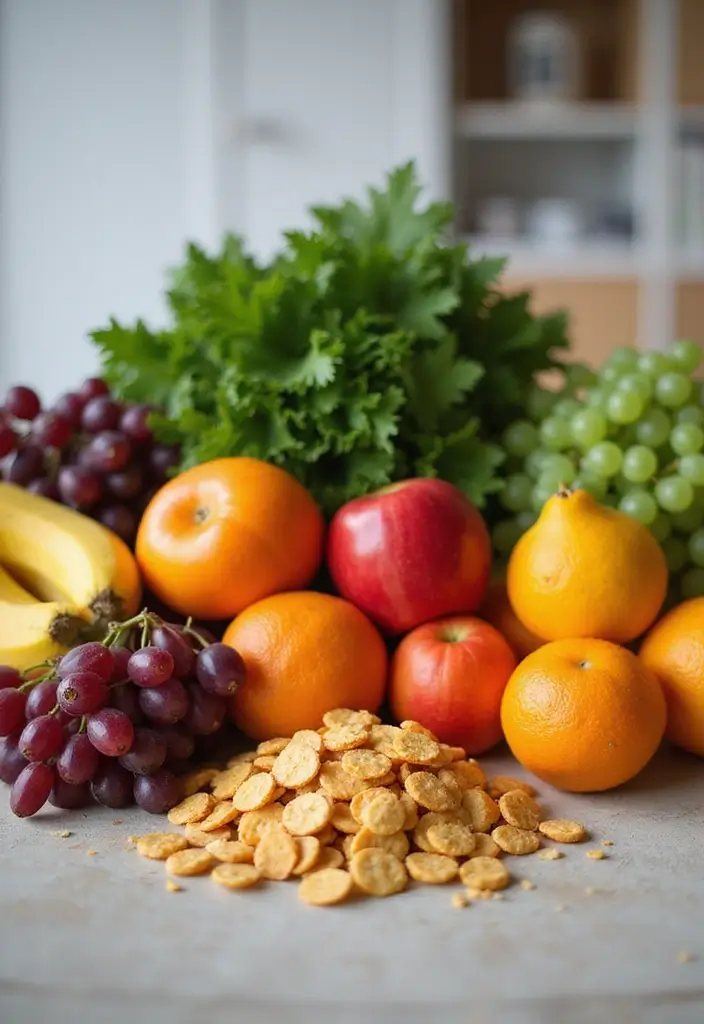
If you want the best start for your baby, watch what you snack on. Processed foods often skip the nutrients you and your baby need. They bring added sugars, bad fats, and lots of salt. Too many can leave you tired and add unwanted weight. Let’s break it down.
Here is why real foods help fetal growth. Whole foods give you steady energy and key vitamins. They support healthy brain and body development.
– Swap chips for air‑popped popcorn with a pinch of herbs. Crunch without the long lists of additives.
– Choose fresh fruit rather than candy for a natural sweet fix.
– Meal prep to keep wholesome options on hand. Slice veggies, portion hummus or yogurt, and stock whole‑grain crackers.
– Add simple protein. Try hard‑boiled eggs or cheese sticks.
– Include yogurt, beans, or nuts for fiber and protein.
Next steps: plan a three‑day snack plan, write a short shopping list, and set 15 minutes to prep. This small habit shift can add up fast.
Keep water handy and sip through the day. Start today and adjust as you go. Limiting processed foods helps you lay a solid base for your baby’s nutrition.
7. Limit Processed Foods for Optimal Nutrition
Editor’s Choice

One A Day Multivitamin for Men – Daily Mens Multivitamins with Vitamin D…
Amazon$12.58
Pure Protein Bars, High Protein, Nutritious Snacks to Support Energy, Lo…
Amazon$15.99
Rubbermaid Brilliance Meal Prep Containers, 2-Compartment Food Storage C…
Amazon$28.99Conclusion: Nourishing the Future

Your dietary choices during pregnancy are profound and far-reaching. By embracing wholesome, nutrient-rich foods, you’re not just nourishing yourself but also giving your baby the best foundation for a healthy life.
Every meal is an opportunity to nourish, and small adjustments can lead to significant impacts. Celebrate this journey by exploring new foods and recipes that benefit both you and your baby. Here’s to a healthier tomorrow, one meal at a time!
Note: We aim to provide accurate product links, but some may occasionally expire or become unavailable. If this happens, please search directly on Amazon for the product or a suitable alternative.
This post contains Amazon affiliate links, meaning I may earn a small commission if you purchase through my links, at no extra cost to you.
Frequently Asked Questions
How Does My Diet Impact Fetal Development During Pregnancy?
Your diet plays a crucial role in fetal development. What you eat can influence everything from your baby’s brain health to their spine and bone formation. Nutrient-rich foods, like those high in omega-3 fatty acids and folate, are essential for a healthy pregnancy.
By focusing on your dietary choices, you’re not only nourishing yourself but also providing the best foundation for your baby’s growth.
What Are Some Key Nutrients I Should Focus On During Pregnancy?
During pregnancy, focus on essential nutrients like calcium, iron, folate, and omega-3 fatty acids. Dairy products can help with calcium intake for strong bones, while iron is vital to prevent anemia and support blood production. Don’t forget to include plenty of whole grains for sustained energy and hydration for overall wellness!
Why Is Hydration Important for Pregnant Women?
Staying hydrated is vital during pregnancy! Water supports every cell in your body and helps maintain optimal blood volume, which is crucial as your blood supply increases. Proper hydration can also alleviate common pregnancy discomforts like fatigue and swelling. Aim to drink plenty of fluids throughout the day to keep both you and your baby healthy and energized.
How Can I Limit Processed Foods for Better Nutrition During Pregnancy?
Limiting processed foods is essential for optimal nutrition! Start by replacing snacks with whole food options like fruits, nuts, and yogurt. Read labels carefully to avoid added sugars and unhealthy fats. Meal prepping with fresh ingredients can help you stay on track. Remember, your dietary choices now can significantly influence your baby’s health and development!
Are There Specific Foods That Can Boost My Baby’s Brain Development?
Absolutely! Foods rich in omega-3 fatty acids, such as salmon, walnuts, and flaxseeds, are excellent for brain development. Folate-rich foods like leafy greens and legumes are also essential for preventing neural tube defects. Incorporating these nutrient-dense foods into your diet can give your baby a head start in brain health!
Related Topics
maternal impact
fetal nutrition
healthy pregnancy
dietary tips
nutrient-rich foods
brain development
spinal health
hydration importance
whole grains
iron intake
processed food limits
pregnancy advice




This post really opened my eyes! I never thought about how much my diet could affect my baby. What are some of your go-to healthy snacks during pregnancy?
I love how you broke everything down! I tried eating kale once, and I swear I almost turned into a rabbit. What’s the weirdest food you’ve eaten while pregnant?
Did you know that babies can taste what their moms eat through the amniotic fluid? It’s like they start developing their own food preferences before they’re even born!