


Pregnancy is a whirlwind of emotions, isn’t it? One moment you’re overjoyed, and the next, tears are streaming down your face for seemingly no reason at all. It’s normal to feel overwhelmed by your feelings, especially during this transformative time. I created this post to help you understand why you might find yourself crying during pregnancy. Knowing the reasons behind these emotional shifts can help you navigate the ups and downs with more grace and understanding.
If you’re an expecting parent feeling confused or anxious about these emotional changes, you’re definitely not alone. Many women experience similar feelings as their bodies adjust to pregnancy hormones and other life changes. This post is for those who want to make sense of their emotions and find reassurance in knowing that it’s okay to cry. We’ll explore ten surprising reasons for crying during pregnancy, so you can better understand your feelings and seek the emotional support you need.
By diving into these insights, you’ll gain clarity on what’s happening in your body and mind. You’ll also find practical tips for managing your emotions and connecting with your baby. So, grab a cozy blanket, maybe some tissues, and let’s unravel this emotional journey together.
Key Takeaways
– Pregnancy hormones are a major player: Fluctuating hormones can trigger intense emotions, leading to tears and mood swings. Understanding this can help you explain your feelings to others.
– Physical discomfort matters: As your body changes, discomfort can heighten emotional responses. Recognizing this connection can lead to strategies for relieving discomfort, like prenatal yoga or massages.
– Parenting anxiety is real: Worries about becoming a parent can lead to tears. It’s essential to talk about these fears with loved ones or professionals who can offer support.
– Changes in relationships can be emotional: As your family dynamics shift, feelings of nostalgia or sadness may emerge. Open communication with partners or friends can ease these transitions.
– Celebrating your journey is crucial: Embracing both the joyful and challenging moments of pregnancy can help you process your emotions. Take time to celebrate milestones and connect with your baby.
1. Pregnancy Hormones are in Overdrive

Feeling emotional during pregnancy is completely normal, and hormones are often to blame. As your body gears up to nurture your little one, hormones like estrogen and progesterone surge, playing a big role in your mood swings. You might find yourself crying over things that wouldn’t usually bother you, and that’s okay!
Recognizing these hormonal changes can help you manage your emotions better. Keeping a mood journal could also help you track these feelings and understand your triggers. Remember, this emotional rollercoaster is part of the incredible journey of bringing new life into the world.
Key factors to consider:
– Estrogen: Heightens emotional sensitivity during pregnancy.
– Progesterone: Can lead to unexpected mood swings.
– Relaxin: Increases flexibility but may cause emotional fluctuations.
Embrace this time and know that each tear is part of your beautiful transition into motherhood.
“Your hormones aren’t drama; they’re guidance from your body. Crying during pregnancy is normal—keep a mood journal and talk to someone you trust when emotions feel overwhelming.”
Pregnancy Hormones are in Overdrive
Editor’s Choice





2. Physical Changes and Discomfort

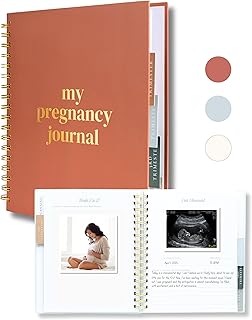
Pregnancy brings about significant physical changes that can be quite uncomfortable. From morning sickness to backaches, these physical challenges can leave you feeling emotionally drained. It’s essential to recognize how these discomforts influence your mood and emotional state.
Don’t hesitate to prioritize self-care during this time. Gentle exercises like prenatal yoga can ease discomfort while boosting your spirits. Connecting with your body and acknowledging its needs is vital for emotional well-being.
Common discomforts to manage:
– Morning Sickness: Can lead to feelings of fatigue and sadness.
– Fatigue: Growing a baby is exhausting, impacting your mood.
– Body Image Changes: Embrace your new shape as part of the journey.
Taking care of yourself will help you navigate these emotional waves more smoothly.
Physical Changes and Discomfort
Editor’s Choice


📹 Related Video: Pregnancy Hormones Explained: Why You’re Crying Over Spilled Milk
3. Anxiety About Parenting

Anticipating parenthood can stir up a whirlwind of emotions, including anxiety. You may worry about your ability to be a good parent, which can lead to unexpected tears. It’s entirely normal to feel a mix of excitement and fear as you embark on this new chapter.
Addressing these feelings is crucial. Talk to your partner or connect with other expectant parents to share experiences and worries. Engaging in parenting classes can also provide support and reassurance.
Common concerns to explore:
– Fear of the Unknown: Worrying about life changes is common.
– Self-Doubt: Many mothers experience doubts about their parenting skills.
– Seeking Support: Building connections can ease anxieties.
Opening up about your fears can lighten the load and enhance your emotional well-being.
Anxiety About Parenting
Editor’s Choice


4. Relationship Changes

Pregnancy brings numerous changes to your relationships, especially with your partner. These shifts can evoke joy, anxiety, and even sadness, leading to tears. Understanding and navigating these changes is part of the journey.
Communication is key during this time. Sharing your feelings with your partner can create a stronger bond and ease emotional tension. Finding joy in shared experiences will help you both tackle this new chapter together.
Relationship dynamics to consider:
– Dynamic Adjustments: Parenthood changes how you relate to each other.
– Communication Styles: Expressing needs is vital.
– Connecting with Your Partner: Engage in activities that strengthen your bond.
Being open about your feelings can help you and your partner navigate these relationship changes with grace.
How To Choose the Right Emotional Support During Pregnancy
During pregnancy, emotional changes can be overwhelming. Choosing the right emotional support can help you navigate this unique journey. Here are some criteria to consider when seeking support:
1. Identify Your Needs
Begin by understanding what you need most. Are you looking for someone to listen, provide advice, or offer practical help? Take time to reflect on your feelings and concerns. Knowing whether you need emotional reassurance or practical guidance can guide your search.
2. Evaluate Support Networks
Look at your existing support networks. This may include family, friends, or even support groups. Consider how each person or group makes you feel. Do they listen to you? Do they understand your situation? Choose those who offer a safe space for your emotions.
3. Explore Professional Help
Therapists and counselors can be invaluable during pregnancy. They are trained to help you manage emotional changes and stress. Research professionals who specialize in prenatal care or maternal mental health. Schedule consultations to see if their approach resonates with you.
4. Consider Group Support Options
Sometimes, connecting with others going through similar experiences can be comforting. Look for local or online support groups for pregnant individuals. Sharing your feelings and hearing others’ stories can provide a sense of community and understanding.
5. Assess Accessibility and Availability
Choose support that fits your lifestyle and schedule. Whether it’s a friend who can drop by, a therapist with flexible hours, or an online forum available 24/7, accessibility matters. Make sure the support you choose is easy for you to reach out to when needed.
6. Trust Your Gut
Above all, trust your instincts. If someone makes you feel safe and understood, that’s a great sign. Your emotional support should enhance your pregnancy experience, not add stress. Don’t hesitate to switch support options if something doesn’t feel right.
Pro Tip: Keep a journal to track your emotional highs and lows during pregnancy. This can help you identify patterns and share insights with your support person, making your communication clearer and more effective.
Choosing the right emotional support during pregnancy is essential. By considering your needs, evaluating your networks, and trusting your instincts, you can find the right support to help you navigate this transformative time.
5. A Need for Emotional Support

During pregnancy, your emotional needs can intensify, making support crucial. Building a network of understanding friends and family can provide comfort during this transformative time. Don’t hesitate to reach out when you need a listening ear or a shoulder to cry on.
Consider joining local support groups for expectant parents to connect with others who share similar experiences. Professional help from a therapist specializing in pregnancy can also be beneficial if emotions feel overwhelming.
Ways to build your support system:
– Reach Out: Share your feelings with close friends and family.
– Join Support Groups: Find community with fellow expectant parents.
– Professional Help: Seek therapy for additional support.
Creating a solid support network can greatly enhance your emotional resilience during pregnancy.
You might also like

14 Delicious Drinks During Pregnancy That’ll Keep You Hydrated and Happy! – MomBlush

Why Does Your Child Have Potty Pain? 5 Common Causes & Simple Remedies! – MomBlush
6. Stress from Life Changes

Pregnancy brings about numerous life changes that can feel overwhelming. From preparing for the baby to adjusting your work-life balance, these transitions may lead to stress and tears. Recognizing these stressors is the first step to managing them effectively.
Creating a list of priorities can help you focus on what truly matters. Setting aside time for self-care is also essential during this busy time. Finding balance can significantly improve your emotional health.
Common stressors to address:
– Work Concerns: Balancing maternity leave and responsibilities can be daunting.
– Home Preparations: Pressure to create a perfect nursery can heighten anxiety.
– Seeking Balance: Prioritize self-care amidst the chaos.
Taking control of your stressors will help you navigate this transformative time with more ease.
Stress from Life Changes
Editor’s Choice


7. Hormonal Mood Swings

Experiencing mood swings is a common part of pregnancy, often leading to unexpected tears. These emotional ups and downs can occur without warning, leaving you feeling vulnerable. Understanding that these changes are normal can help you cope better.
Practicing self-compassion is vital. Allow yourself to experience these emotions without judgment. Keeping a journal can also be a helpful way to process your feelings and track your moods.
Key elements of mood swings:
– Emotional Highs and Lows: Expect rapid mood changes throughout the day.
– Triggers: Certain situations may evoke unexpected tears.
– Self-Compassion: Be gentle with yourself during these emotional times.
Embracing your emotions will help you navigate this journey more comfortably.
Hormonal Mood Swings
Editor’s Choice


8. Connecting with Your Baby

As your pregnancy progresses, the bond with your baby deepens, often stirring up intense emotions. Moments like feeling your baby kick can lead to tears of joy and love. This connection is a beautiful aspect of your pregnancy journey.
Allow yourself to celebrate these feelings. Imagining your child’s future can evoke strong emotions, and expressing love for your unborn baby is perfectly natural. Cherish these moments as part of your journey into motherhood.
Emotional connections to embrace:
– Feeling Kicks: Experience overwhelming joy with each movement.
– Imagining the Future: Dream about the life you’ll share together.
– Expressing Love: Let your feelings flow freely.
Recognizing and celebrating these emotions is a beautiful part of your pregnancy adventure.
You Might Also Like

How to Safely Increase Your Dry Fruits Intake During Pregnancy (Your Body Will Love You for It!) – MomBlush

Your Prenatal Care Checklist: 10 Preterm Risks You Should Never Ignore! – MomBlush
9. Nostalgia and Reflection

Pregnancy can bring a wave of nostalgia as you reflect on your own childhood and family dynamics. Memories of past experiences often surface, stirring up emotions and sometimes tears. This reflection is a natural part of preparing for your new role as a parent.
Take time to honor these memories and acknowledge the joy and sadness they may bring. Understanding how your past shapes your parenting can provide valuable insights for your journey.
Emotional reflections to consider:
– Childhood Memories: Recall experiences that impact your parenting style.
– Family Expectations: Think about traditions you want to carry on.
– Grief and Joy Intertwined: Embrace both feelings during this transition.
Processing these emotions can help you build a strong foundation for your own family.
When nostalgia hits, take a quiet moment to name the memory and what it teaches you about your future family. If you’re crying during pregnancy, use that emotion to shape your parenting values—journal, breathe, and move forward with intention.
10. Celebrate Your Journey

Finally, remember to celebrate your pregnancy journey! Embracing a range of emotions, from happiness to sadness, enriches this experience. Allow yourself to feel everything as part of your incredible transformation into motherhood.
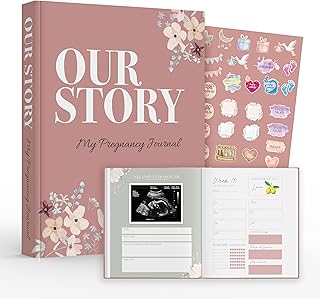
Creating a memory book can help document this unique time, capturing both joyful and challenging moments. Engaging in self-care and sharing your story with others can also help you process your feelings.
Ways to celebrate:
– Create a Memory Book: Document your journey with photos and notes.
– Share Your Story: Talking about your feelings can help process them.
– Engage in Self-Care: Pamper yourself with relaxing activities.
Embracing your emotions is essential for your mental well-being during this transformative chapter.
Embrace every emotion in your pregnancy—crying during pregnancy is part of your journey, not a sign of weakness. Create a memory book, practice self-care, and share your story; tiny moments become powerful milestones.
Conclusion

Navigating the emotional landscape of pregnancy is no small feat. These tears, whether from joy, stress, or wonder, are all part of the beautiful journey to motherhood. Embrace your feelings and lean into the support of loved ones. You’re not alone in this experience, and sharing your journey can create deeper connections with those around you.
Note: We aim to provide accurate product links, but some may occasionally expire or become unavailable. If this happens, please search directly on Amazon for the product or a suitable alternative.
This post contains Amazon affiliate links, meaning we may earn a small commission if you purchase through our links, at no extra cost to you.
Frequently Asked Questions
Why am I crying during pregnancy so easily, and is it normal?
Crying during pregnancy is common due to emotional changes and the surge of pregnancy hormones. It’s normal to feel more tearful as your body adjusts. If crying becomes persistent, overwhelming, or interferes with daily life, talk to your healthcare provider.
Practical tips: practice a few deep breaths, take a short walk, reach out to a partner or friend, keep a simple mood journal, and prioritize sleep, hydration, and balanced meals. If you have thoughts of harming yourself or feel out of control, seek immediate help.
How do pregnancy hormones and emotional changes influence crying during pregnancy?
During pregnancy, shifting levels of pregnancy hormones like estrogen and progesterone, along with stress hormones, can heighten emotional changes and make you cry more easily. This is a normal part of many pregnancies and usually fades as hormones settle. If mood swings feel extreme or last longer than a few weeks, talk to your clinician for support and to rule out other concerns.
What practical strategies can help manage crying spells and provide emotional support?
Build simple habits to support your mood: prioritize sleep and regular meals, stay hydrated, and include safe prenatal exercise. Use grounding techniques or mindfulness when tears rise, and reach out to a partner, friend, or support group for emotional support. Talk with your obstetrician or midwife about mood changes and safe coping strategies. If crying feels out of control, seek guidance from a healthcare professional.
Are there signs that crying during pregnancy might indicate a mood disorder and when should I seek help?
Yes—while crying can be normal, watch for signs of a mood disorder. If symptoms persist for more than two weeks, include persistent sadness, hopelessness, or constant anxiety, or if crying interferes with daily tasks, seek help. If you have thoughts of harming yourself or if stress feels unmanageable, seek immediate help. Talk with your healthcare provider about a plan for mental health support during pregnancy.
Can crying during pregnancy affect the baby, and what should I discuss with my healthcare provider?
Crying itself doesn’t directly harm the baby, but persistent stress and poor coping can affect your well‑being and potentially impact the pregnancy. Discuss your emotional changes with your OB or midwife, and ask about safe coping strategies, resources for emotional support, sleep, and nutrition. If you’re ever overwhelmed, don’t hesitate to seek help.
Related Topics
crying during pregnancy
emotional changes
pregnancy hormones
pregnancy support
mood swings
first trimester
expecting mothers
pregnancy emotions
stress relief
mental health
parenting journey
emotional well-being




This post is so relatable! I think I cried the most during a movie that wasn’t even sad. Why do we get so emotional? Maybe it’s our hormones playing tricks on us!
I laughed and cried at the same time when I saw a baby clothes commercial. It’s like my emotions were on a rollercoaster! Has anyone else had those weird mixed feelings?