
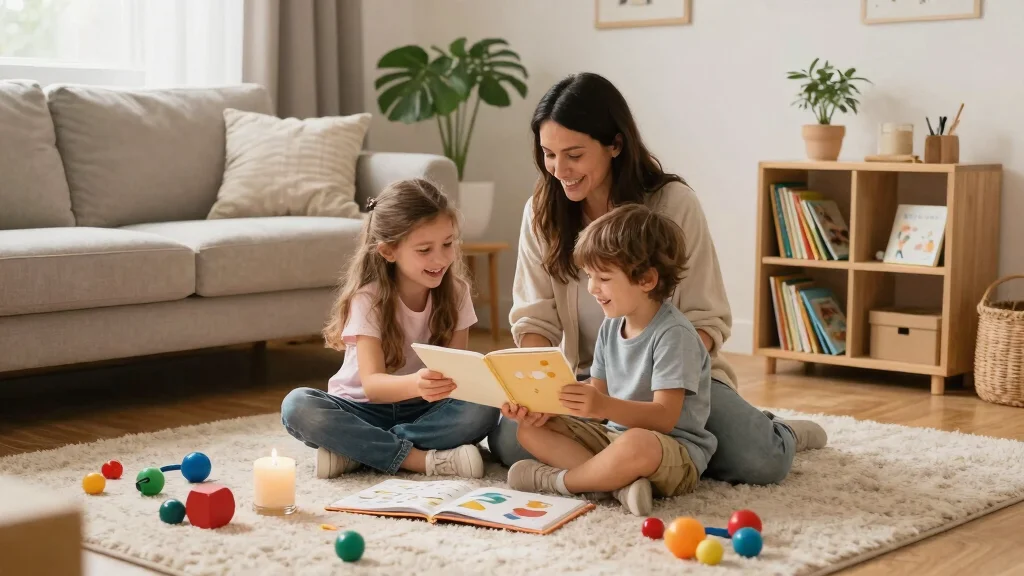

Parenting can often feel overwhelming, especially when you want to connect deeply with your kids while managing daily stresses. This blog post is inspired by the need to find ways to be present and mindful in our parenting practices. In a world filled with distractions, it’s easy to lose sight of those precious moments with your children. We all crave a nurturing connection that fosters understanding and emotional growth. That’s why I created this guide on mindful parenting techniques.
If you’re a parent looking to strengthen your relationship with your kids, this post is for you. Whether you’re navigating the challenges of toddler tantrums or teenage angst, these techniques can help you foster a sense of calm and connection. Mindful parenting is about being fully present and aware, allowing you to engage more meaningfully with your children. Through these techniques, you’ll discover ways to relieve stress while building a deeper bond with your little ones.
You’ll find a list of twelve easy, actionable techniques designed to enhance your parenting journey. Each one is simple yet effective, allowing you to integrate mindfulness into your daily routine. We’ll even highlight one technique you can try today—meditation with your kids! So, let’s dive in and explore these mindful parenting practices together.
Key Takeaways
– Start with Mindful Morning Routines: Set a positive tone for the day by incorporating simple mindfulness practices in the morning, like deep breathing or a family hug.
– Engage in Mindful Listening: Show your kids that you value their thoughts and feelings by actively listening without distractions. This builds trust and enhances connection.
– Practice Gratitude Together: Make gratitude a daily habit. Share what you are thankful for during meals or before bedtime to foster appreciation and positive thinking.
– Try Meditation Together: Engaging in meditation as a family can create a peaceful space for connection and emotional balance. It’s an easy way to unwind and communicate.
– Celebrate Kindness: Recognize and celebrate moments of kindness within your family. This reinforces positive behavior and creates a supportive atmosphere for everyone.
1. Start the Day with a Mindful Morning Routine
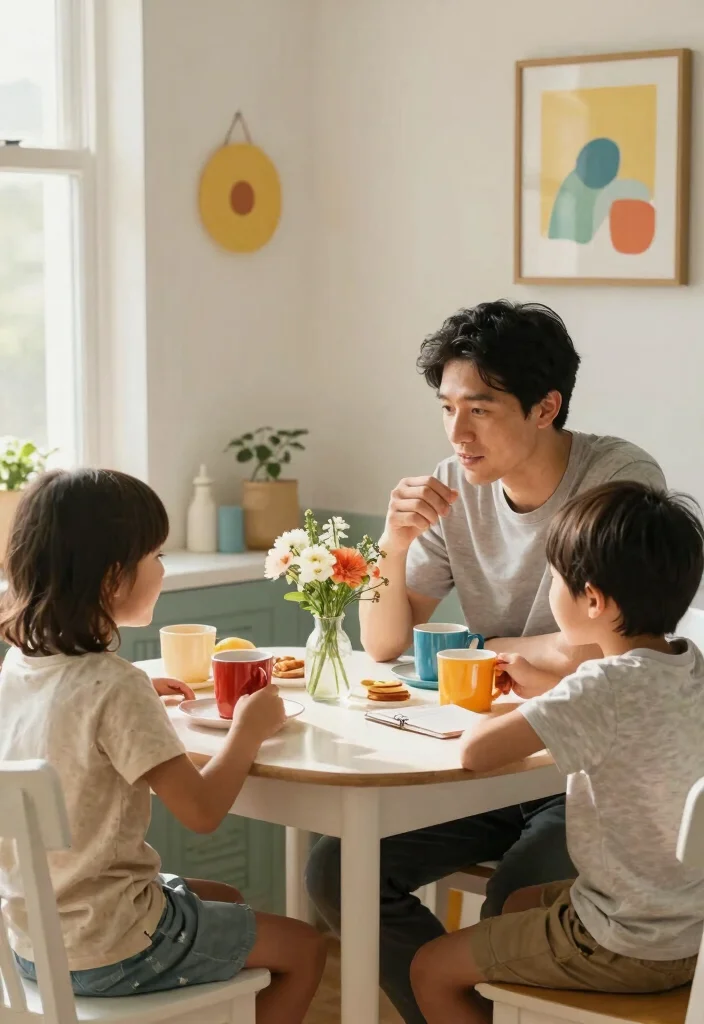
Mornings can set a positive tone for the entire day, so why not make them special? Instead of rushing around, gather your family for a few moments of mindfulness. Enjoy a warm drink together while practicing deep breathing. This simple act can create a safe space for your kids to share their hopes and worries for the day ahead.
Incorporate gentle stretches or soft music to enhance the experience. This intentional approach helps everyone feel calm and connected, making the day ahead much smoother.
Tips for your routine:
– Create a cozy space with soft blankets or cushions.
– Use soothing scents like lavender or chamomile.
– Allow each family member to suggest a favorite morning activity!
A mindful morning routine can lead to increased focus and reduced stress throughout the day.
Start the Day with a Mindful Morning Routine
Editor’s Choice




📹 Related Video: My 5AM(ish) Mindful Morning Routine
2. Mindful Listening
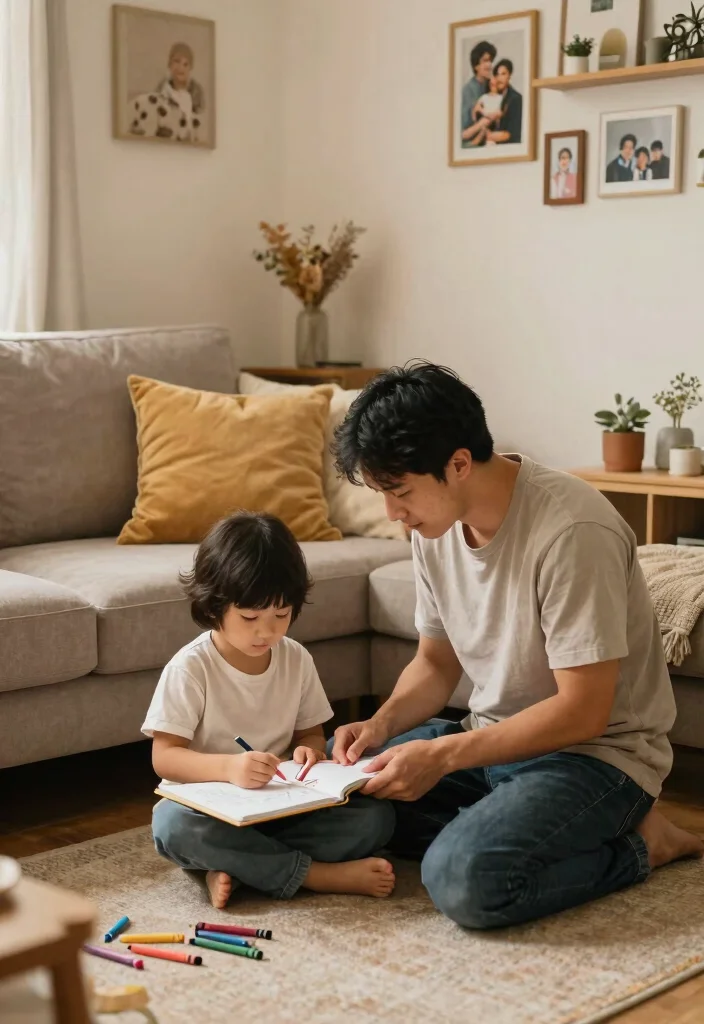
Listening is a crucial skill that helps build trust with your child. When they speak, give them your full attention by getting down to their level and maintaining eye contact. This shows that you value their thoughts and feelings, making them feel heard and understood.
To enhance this practice, repeat back what they say to confirm understanding. Encourage open-ended questions that allow them to express themselves more freely, deepening your connection.
Suggestions:
– Establish tech-free zones to minimize distractions.
– Use a talking stick during discussions to encourage sharing.
– Model active listening by sharing your own feelings and thoughts.
By fostering mindful listening, you create a nurturing space for honest conversations that support emotional growth.
Mindful Listening
Editor’s Choice





3. Practice Gratitude Together
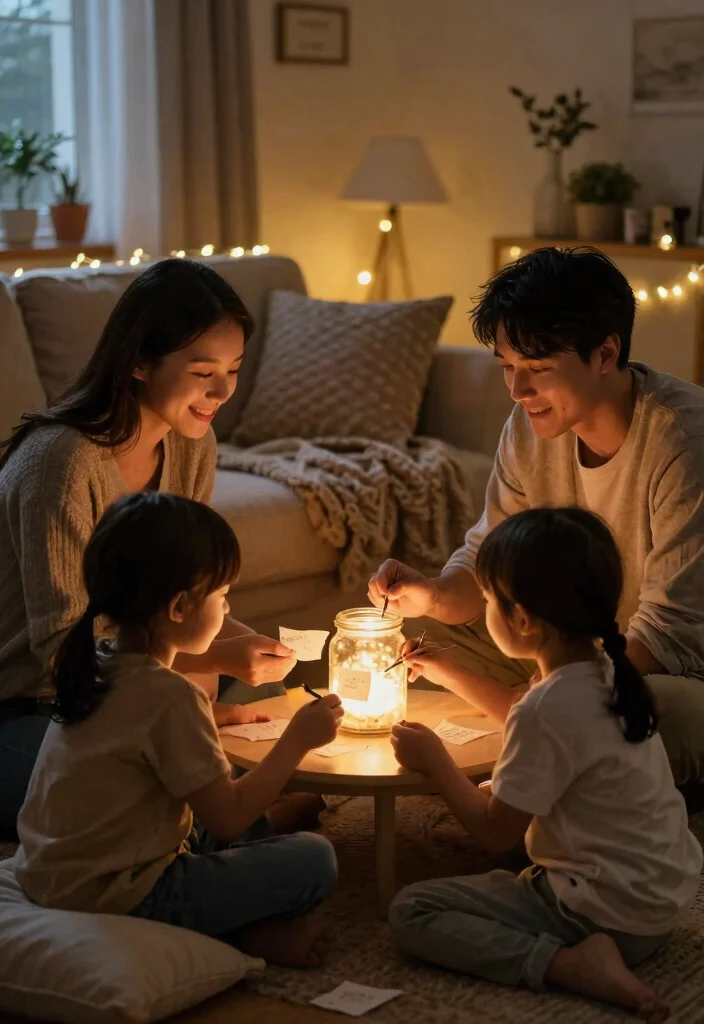
Gratitude can transform the family dynamic, especially when shared. Start a gratitude jar where each family member can add notes about what they’re thankful for. Once a week, gather to read these notes and reflect on the positivity in your lives.
You can also integrate gratitude into your bedtime routine by sharing one thing you appreciated that day. This practice nurtures a positive mindset, helping your kids focus on the good.
Benefits of practicing gratitude:
– Reduces stress and anxiety levels.
– Builds resilience and emotional strength.
– Enhances overall family well-being.
By fostering gratitude, you create a joyful home where love and appreciation flourish.
Practice Gratitude Together
Editor’s Choice




4. Engage in Nature Walks

Exploring the outdoors is not just beneficial for physical health; it can also be a wonderful mindfulness practice. Nature walks encourage you and your children to engage your senses fully. Invite them to notice the colors of the leaves, listen to the birds, and feel the ground beneath their feet.
During your walk, ask your kids to share what they love about nature. Turn it into a game by collecting interesting leaves or stones, deepening your connection to the environment and each other.
Tips for a successful nature walk:
– Pack snacks and water for the journey.
– Use prompts like “What do you see? What do you feel?”
– Allow children to take turns leading the walk, empowering them.
These walks can become cherished family traditions that nourish both body and spirit.
5. Mindful Art Projects
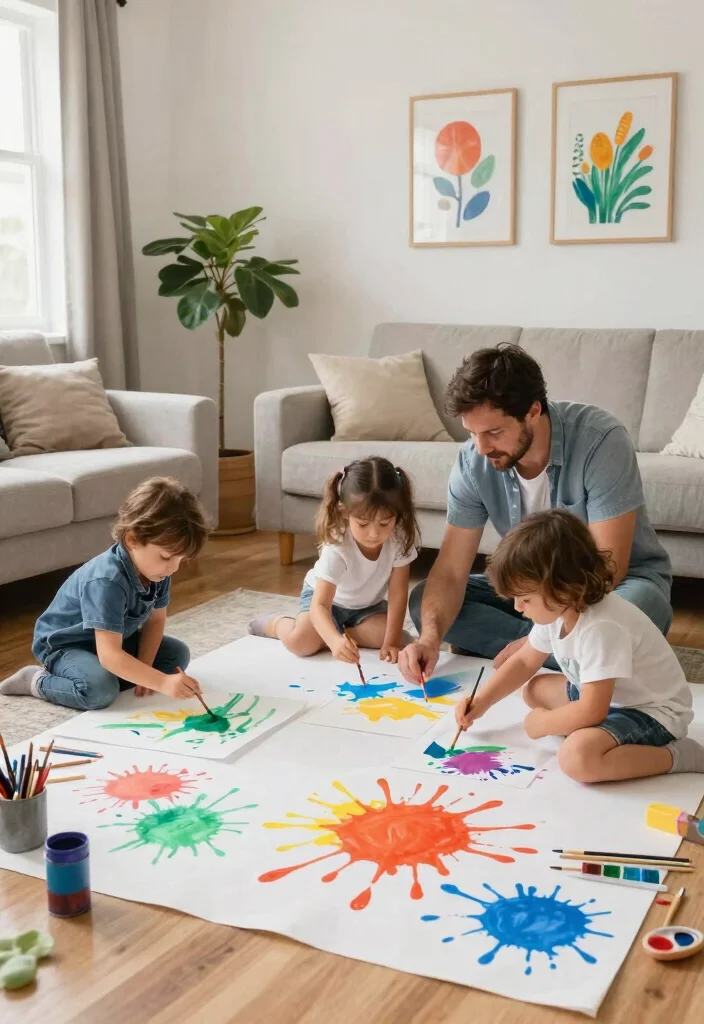
Art provides a fantastic outlet for mindfulness and creativity. Set up a space where your kids can freely explore their artistic talents without the pressure of perfection. Provide various materials like paints, crayons, and clay for them to express their feelings.
Join in on the fun! Create your own art alongside them, enjoying the peace that comes from focusing on the process rather than the end result. This collaborative effort can spark conversations and strengthen your bond.
Ideas for art projects:
– Create nature collages with leaves and twigs.
– Practice mindfulness drawing while listening to calming music.
– Design a family mural that reflects your connections.
Engaging in art together fosters creativity and strengthens your relationship through shared experiences.
6. Create a Family Ritual

Family rituals can provide stability and a sense of belonging for children. Consider creating a unique family tradition that everyone can look forward to, such as a Sunday breakfast where everyone contributes a dish.
To enhance these rituals, incorporate mindfulness by taking a moment to breathe together before starting. This helps everyone stay present and engaged in the experience.
Examples of family rituals:
– Evening storytelling where everyone shares a tale.
– Weekly game night with rotating game choices.
– Seasonal outings to enjoy nature together.
Family rituals create lasting memories that your children will treasure as they grow.
You might also like
12 Sensory Play Activities Every Baby Will Love (Prepare for Giggles at #5!) – MomBlush

13 Art Projects That Promote Creative Thinking in Kids (Don’t Miss #9!) – MomBlush
How To Try Meditation Together
Tools You’ll Need:
– A quiet space
– Comfortable seating (pillows or chairs)
– A timer (optional)
– Guided meditation app or video (optional)
– A notebook (for sharing reflections)
Step 1: Set the Scene
Find a quiet space in your home where distractions are minimal. Create a comfortable environment by arranging pillows or mats on the floor. Dim the lights or use candles for a calming atmosphere. Let your kids know this is a special time for connection and peace.
Step 2: Choose a Time
Pick a time that works for everyone, ideally during a calm part of the day, such as after school or before bedtime. Set a timer for the length of your session, starting with just five minutes. You can increase the duration as your kids get more comfortable with the practice.
Step 3: Introduce the Idea of Meditation
Explain to your kids what meditation is in simple terms. You can say it’s about clearing the mind and focusing on the present. Encourage them by sharing its benefits, like reducing stress and improving focus. Use relatable examples, like how it can help them feel calmer during a test or when they’re upset.
Step 4: Begin the Practice
Start by sitting comfortably together. You can guide them through a simple breathing exercise: inhale deeply through the nose, then exhale slowly through the mouth. Repeat this a few times to center everyone. If you prefer, use a guided meditation app or video that’s age-appropriate.
Step 5: Reflect Together
After your meditation session, take a few minutes to share thoughts and feelings. Ask open-ended questions like, “How did you feel during that time?” or “What thoughts came to your mind?” Encourage them to express their experiences in a non-judgmental way, fostering an open dialogue about their feelings.
Pro Tip: Make meditation a regular family practice by scheduling a specific day each week. Consistency builds a habit and strengthens your connection. You could also personalize your meditation by choosing themes, such as gratitude or kindness, to explore together.
Meditation together not only nurtures mindfulness but also creates a beautiful bond between you and your children. It teaches them the importance of inner peace and emotional awareness in a fun, engaging way. This simple yet powerful practice can become a cherished routine that enhances your family’s well-being.
7. Try Meditation Together (Try This Today!)
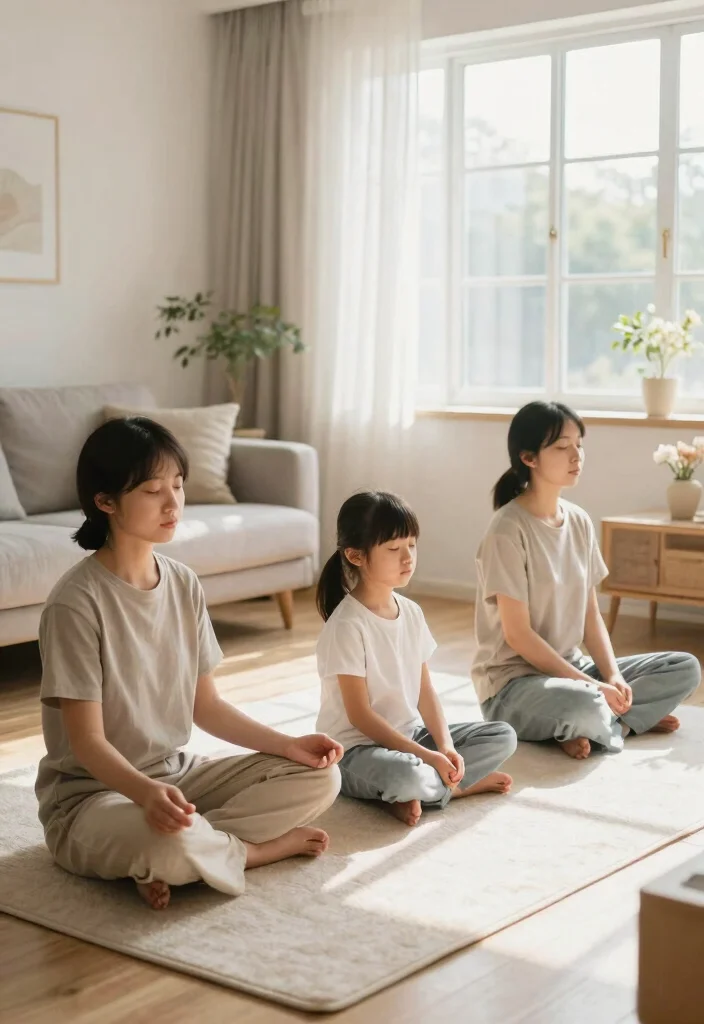
Meditation can be a powerful tool for stress relief and connection. Start with just five minutes a day, guiding your children through simple breathing exercises. Sit comfortably together, close your eyes, and focus on your breath.
Use imagery like floating clouds or gentle waves to help them visualize calming scenes. This shared time can create a peaceful moment for everyone to reset their minds.
Tips for a successful meditation session:
– Choose a quiet, comfortable space free from distractions.
– Use calming music or nature sounds to enhance relaxation.
– Encourage discussion about thoughts or feelings afterward.
A shared meditation practice not only calms the mind but also strengthens your bond through shared tranquility.
Try Meditation Together (Try This Today!)
Editor’s Choice





8. Encourage Sibling Cooperation
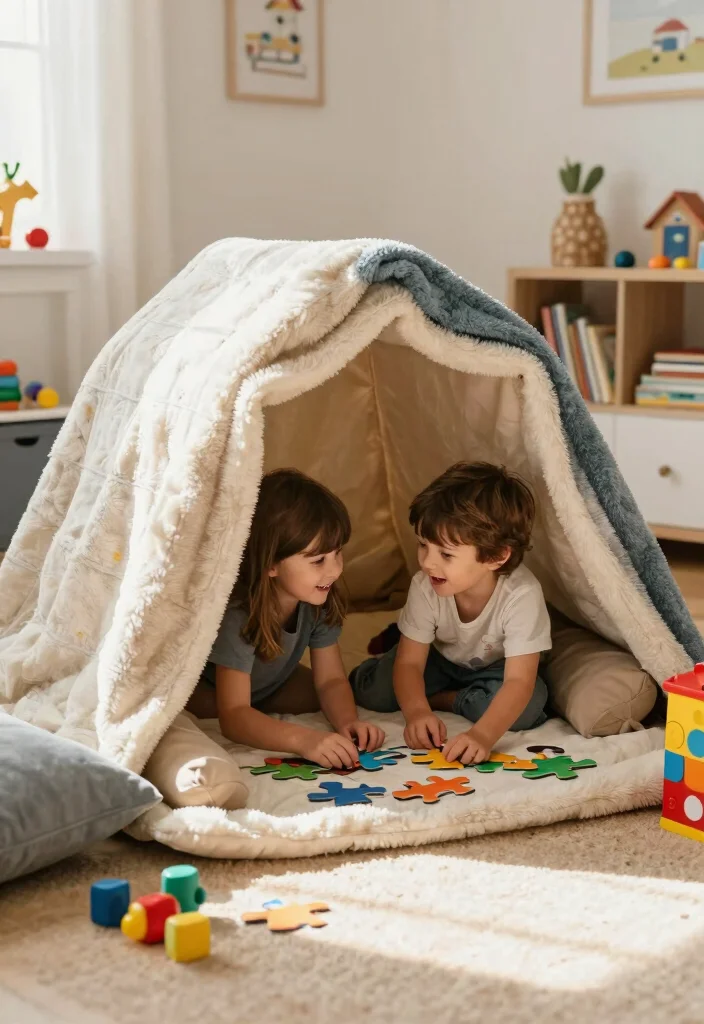
Fostering teamwork among siblings can enhance their relationship and mindfulness skills. Create activities that require them to work together, like building a fort or completing a puzzle. This encourages communication and active listening between them.
Guide them to celebrate each other’s strengths and handle disagreements mindfully, reinforcing kindness and teamwork.
Strategies for sibling cooperation:
– Set up a shared project where both siblings contribute ideas.
– Introduce a rewards system for collaborative efforts, like stickers.
– Encourage dialogue to resolve conflicts, practicing empathy.
Building sibling relationships creates a harmonious home filled with laughter and support.
9. Explore Sensory Play
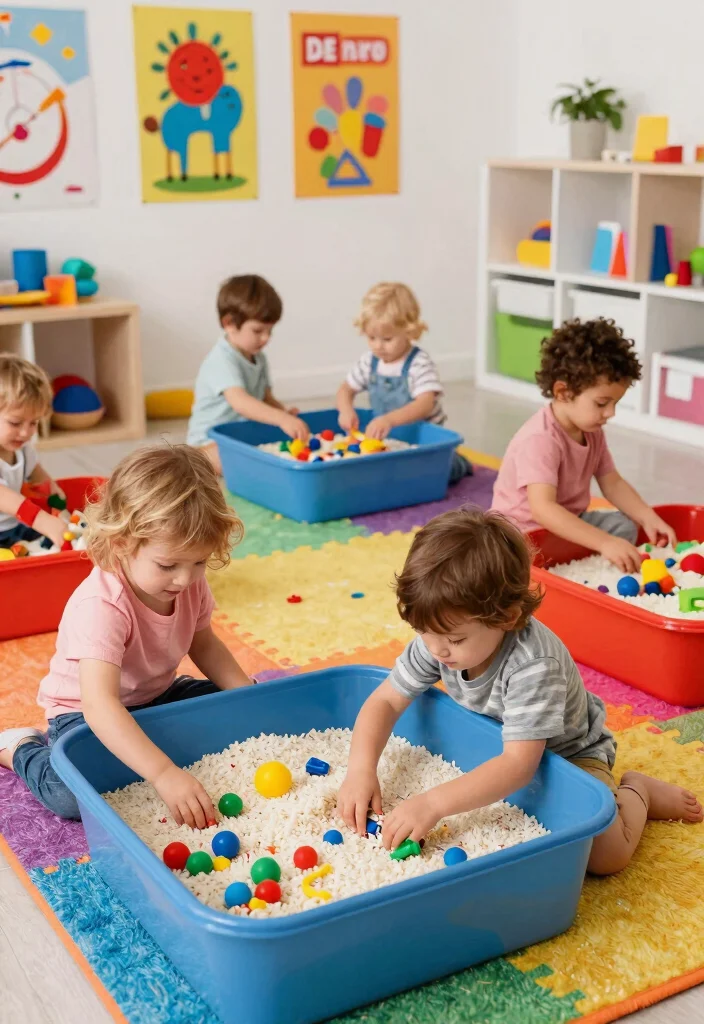
Sensory play is not only enjoyable but also an excellent mindfulness practice! Set up sensory bins with various materials like rice, beans, or sand for your kids to explore. Engaging their senses helps them express feelings and reduces stress.
Consider themed sensory bins that reflect seasons or holidays, introducing new learning opportunities while keeping things fun.
Benefits of sensory play:
– Enhances fine motor skills and hand-eye coordination.
– Reduces anxiety and promotes relaxation.
– Encourages creativity and imaginative thinking.
Creating a sensory-rich environment can bring calm and joy, allowing your kids to thrive in their explorations.
10. Address Emotions with Emotional Check-ins

Checking in on your kids’ emotions is essential for their well-being. Set aside dedicated time each week for emotional check-ins, allowing everyone to share their feelings. You can create a feelings chart with faces representing different emotions to help them articulate their feelings better.
Make it a safe space where they feel comfortable sharing. This practice not only validates their emotions but also teaches them how to process and communicate effectively.
Techniques for emotional check-ins:
– Use storytelling to illustrate emotional situations.
– Incorporate role-playing to navigate feelings and responses.
– Encourage journaling to enhance self-reflection skills.
Fostering emotional intelligence creates a nurturing environment where your children feel safe and understood.
Fun fact: Mindful parenting check-ins boost kids’ emotional literacy by up to 60% when you use a simple feelings chart. Start with 5 minutes, invite any feeling, and model calm listening. Small, consistent steps build lasting connection.
You Might Also Like
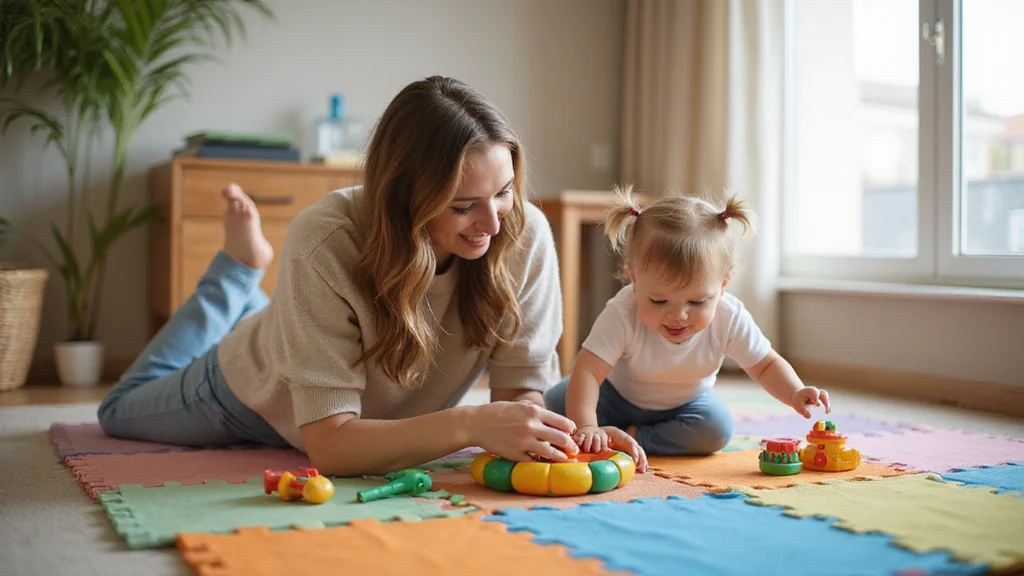
20 Interactive Playtime Activities for Babies That Strengthen Your Bond (Don’t Miss #12!) – MomBlush
11. Create a Mindfulness Corner

A mindfulness corner can be a special space dedicated to relaxation and reflection. Designate a cozy spot in your home with soft cushions, calming visuals, and mindfulness tools like journals or calming stones.
Invite your children to use this space whenever they need a break or want to practice mindfulness. Making it a family project to decorate the corner can enhance ownership and encourage mental well-being.
Tips for creating a mindfulness corner:
– Use soft, calming colors for decor.
– Include sensory items like stress balls or fidget toys.
– Incorporate nature elements, like plants, to enhance tranquility.
A mindfulness corner encourages your family to take moments of pause, creating a sanctuary of peace in your busy lives.
Did you know that a 5-minute daily mindfulness corner for Mindful Parenting can cut parental stress by up to 40%? Kids report calmer mornings and better focus when they have a cozy space for breathwork and reflection. Start with soft colors, tiny stones, and a shared decorating project.
12. Celebrate Kindness and Generosity
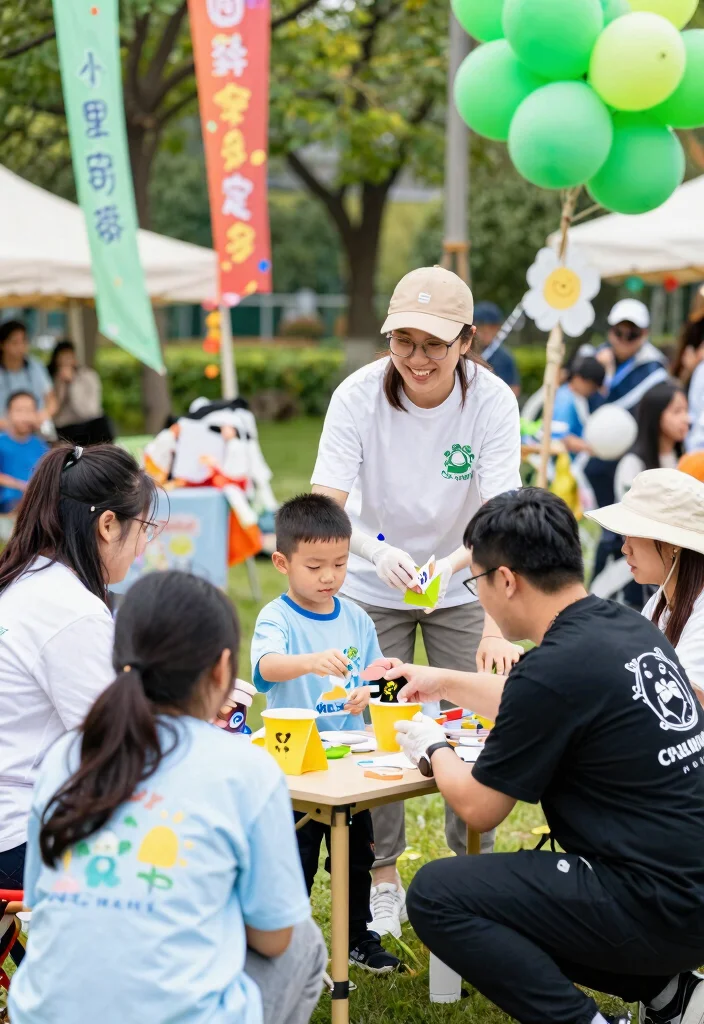
Teaching children the importance of kindness and generosity can significantly impact their emotional well-being. Set up family projects where you can volunteer together, such as collecting food for a food bank or helping a neighbor.
Discuss the feelings that arise from these acts of kindness, emphasizing that giving back strengthens connections. You can celebrate acts of kindness within the family by acknowledging and rewarding them, reinforcing positive behavior.
Strategies for fostering kindness:
– Organize family volunteering outings regularly.
– Create a kindness jar for sharing generous deeds.
– Share stories about kindness from books or personal experiences.
Instilling these values will help shape your children into compassionate individuals who appreciate connection and community.
Fun fact: families who volunteer together for just 2 hours a month see a 25–40% boost in kids’ kindness and connection. Small acts compound, and mindful parenting turns generosity into everyday teamwork and deeper family bonds.
Celebrate Kindness and Generosity
Editor’s Choice


Conclusion

Incorporating mindfulness into your parenting can transform the way you connect with your children, helping to alleviate stress and foster meaningful relationships. From morning routines to creative expressions, each technique invites you to be present and engaged, enhancing family bonds.
Remember, the journey of mindful parenting is ongoing. Embrace these techniques and adapt them to suit your family’s unique rhythm.
Together, you can create a nurturing environment where love, understanding, and connection flourish.
Note: We aim to provide accurate product links, but some may occasionally expire or become unavailable. If this happens, please search directly on Amazon for the product or a suitable alternative.
This post contains Amazon affiliate links, meaning we may earn a small commission if you purchase through our links, at no extra cost to you.
Frequently Asked Questions
What is mindful parenting and how can it help me connect with my kids?
Mindful parenting means staying present with your child and your own experience in the moment to strengthen connection and reduce daily stress.
It’s practical and doable: pause before reacting, listen with curiosity, and respond with empathy. Try turning everyday moments—mealtime, bedtime, or car rides—into tiny mindful practices by naming observations and inviting your child to share how they feel.
With regular tiny pauses, you’ll notice more calm, clearer communication, and a healthier balance between your needs and theirs.
What is technique #7 in the 12 Easy Mindful Parenting Techniques, and how can I try it today?
Technique #7 is a quick, kid‑friendly mindful moment you can start today.
Step 1: Pause before you respond when your child is upset, giving yourself a moment to choose your words. Step 2: Take 3 slow breaths together to reset the mood. Step 3: Name one feeling you notice in yourself and invite your child to name theirs. Step 4: Choose a simple, calm action to do together, like a hug or a brief stretch.
Practice for 1–2 minutes during low‑stress moments to build the habit and make it second nature.
How can mindful parenting reduce stress for both parents and kids and strengthen connection?
Mindful parenting helps you react less and listen more, which lowers stress relief for the whole family and deepens connection.
Try creating a brief family calm routine—three deep breaths together at a regular time each day. Use simple phrases like, ‘I’m listening,’ or ‘You’re heard,’ to validate feelings. Consistency over time builds safety, predictability, and trust.
Can mindful parenting improve my child’s emotional regulation and behavior in challenging moments?
Yes. When kids feel seen and understood, they learn to regulate their emotions better.
Practice active listening, reflect back what you hear, and offer calm choices instead of punishment. Model the calm you want to see, and celebrate small successes with gentle encouragement. Over time, these mindful exchanges reduce power struggles and improve behavior.
Is mindful parenting suitable for all ages, and what common challenges should beginners expect?
Mindful parenting can work at any age, from toddlers to teens, but the approach changes with development.
Common beginner challenges include time constraints, slipping back into old habits, and staying patient during big emotions. Start small with short, regular practices—like a 60‑second breathing moment—and gradually increase as it fits your family routine. Remember, consistency beats intensity, and progress is gradual.
Related Topics
mindful parenting
parenting techniques
stress relief
connect with kids
easy mindfulness
family bonding
beginner friendly
quick tips
emotional connection
mindfulness activities
parenting tips
daily mindfulness




I love the idea of being more mindful with our kids! I tried the technique from #7 last week, and my daughter giggled so much during our talk. What’s your favorite technique that you’ve used with your kids?