

Nutrition can be a tricky topic, especially when it comes to vitamins and supplements. Many parents want to do what’s best for their families but often find themselves confused by conflicting messages about nutrition. That’s why I created this post! I want to help clear up some of the most common myths surrounding vitamins that could be affecting your family’s health choices.
If you’re a parent or caregiver concerned about your family’s nutrition, you’re in the right place. You care deeply about providing the best for your children, and you deserve to know the truth behind the nutrition myths you may have heard. This post will help you navigate through six widespread vitamin myths, debunking each one and providing you with factual insights.
By the end of this article, you’ll have a better understanding of the role vitamins and supplements play in your family’s health. You’ll be equipped with knowledge that empowers you to make informed decisions about nutrition, ensuring that your loved ones get the right nutrients without falling for misconceptions. Let’s get to the real scoop!
Key Takeaways
– Not all supplements are beneficial. Some can cause more harm than good, so it’s crucial to choose wisely.
– You might not get all your vitamins from food. While a balanced diet is important, some vitamins may still need supplementation.
– More vitamins don’t equal better health. Too much of certain vitamins can actually be harmful to your health.
– Natural doesn’t always mean better. The source of the vitamins can impact their effectiveness and safety.
– Vitamins are not a substitute for a healthy diet. Relying solely on vitamins won’t replace the need for a balanced nutritional intake.
Myth #1: All Supplements Are Good for You
Not every supplement is beneficial! While some can help fill dietary gaps, many may actually do more harm than good. It’s a common misconception that popping a vitamin pill automatically leads to better health. However, certain vitamins can be harmful if taken in large doses, particularly fat-soluble ones like A, D, E, and K, which can accumulate in your body and lead to toxicity.
Always seek guidance from a healthcare provider before starting any supplement, especially for children. They can help identify any nutritional deficiencies in your child’s diet and advise on the best approach for supplementation. Prioritizing whole foods will not only provide essential vitamins but also deliver minerals, fiber, and antioxidants vital for overall health.
Key Points:
– Always consult a healthcare professional before taking new supplements.
– Be cautious about high doses; more isn’t always better.
– Nutritional gaps should be filled primarily through a balanced diet.
– Read labels carefully to understand the ingredients and dosages.
– Look for reputable brands that undergo third-party testing.
Fun fact: Fat-soluble vitamins A, D, E, and K can build up in the body. Even 2x the daily amount can raise the risk of toxicity over time.
Myth #1: All Supplements Are Good for You
Editor’s Choice




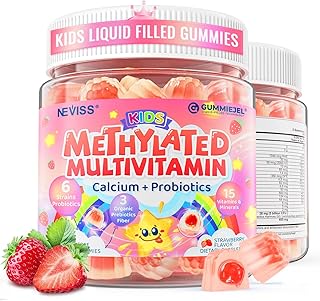
Myth #2: You Can Get All Your Vitamins from Food Alone
While a balanced diet is essential, relying solely on food for all nutrients isn’t always feasible. Factors like dietary restrictions, personal preferences, and hectic lifestyles can make it challenging to meet all your nutritional needs. For instance, Vitamin D is often difficult to obtain without sufficient sun exposure or fortified foods.
Moreover, busy schedules might lead to missed meals or a reliance on processed foods, which can contribute to nutrient deficiencies. Parents often find it tough to ensure their kids get enough nutrition, especially when picky eating habits come into play. In these scenarios, properly used supplements can be a helpful addition.
Key Points:
– Evaluate dietary habits to identify potential gaps.
– Some vitamins are hard to get from food alone (like B12 for vegetarians).
– Life stages (like pregnancy) may increase nutrient needs.
– Incorporate a variety of foods from all food groups.
– Consider fortified foods or supplements if necessary.
Did you know 1 in 3 kids can’t meet vitamin D needs with food alone? Sunlight and fortified foods help fill the gap, especially when busy schedules push meals toward processed options. Nutrition Myths Debunked: you don’t have to navigate it solo.
Myth #2: You Can Get All Your Vitamins from Foo…
Editor’s Choice



📹 Related Video: Multivitamins: Should You Be Taking Them? | Nutritionist Explains | Myprotein
Myth #3: More Vitamins Mean Better Health
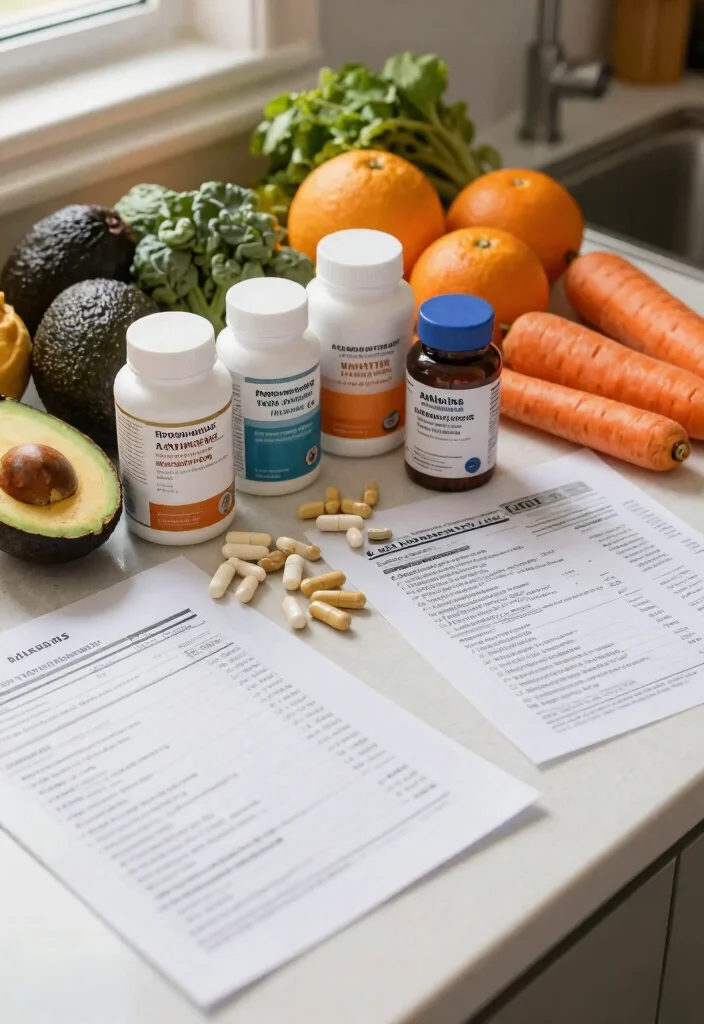
It might seem logical, but taking more vitamins doesn’t guarantee better health! The belief that if a small amount is beneficial, a larger amount must be even better can lead to serious health risks. Overconsumption of vitamins, particularly through supplements, can cause adverse effects. For instance, too much Vitamin C can lead to digestive problems, while excessive Vitamin A can result in toxicity.
Each vitamin has a recommended daily allowance (RDA), and exceeding this limit can be counterproductive. It’s essential to remember that balance is vital in nutrition. Aim for moderation and stick to the recommended levels to avoid harmful consequences.
Key Points:
– Follow the recommended daily allowances for vitamins.
– Avoid high doses unless prescribed by a healthcare provider.
– Excessive intake can lead to toxicity rather than health benefits.
– Keep a food diary to monitor vitamin intake.
– Review any supplements with a healthcare professional regularly.
How To Choose the Right Vitamins and Supplements for Your Family
When it comes to vitamins and supplements, making the right choices for your family can feel overwhelming. With so much information out there, it’s crucial to know how to select the ones that truly benefit your health. Let’s break down some essential criteria to help you make informed decisions.
1. Identify Specific Nutritional Needs
Understanding your family’s unique nutritional needs is the first step. Consider factors like age, dietary restrictions, and health conditions. For example, children often need different vitamins compared to adults. If someone in your family has a specific deficiency, that should guide your supplement choices.
2. Research Quality and Source
Not all supplements are created equal. Look for reputable brands that provide clear information about their sourcing and manufacturing processes. Check if they are third-party tested for quality. Organic or non-GMO supplements are often better choices, as they tend to have fewer additives and contaminants.
3. Check Dosage and Form
The dosage and form of the supplement are also important. Some vitamins are better absorbed in certain forms. For instance, liquid vitamins may be absorbed more quickly than pills. Read labels carefully and consult healthcare professionals to find the right dosage for each family member.
4. Be Wary of Claims
Beware of supplements that make extravagant health claims. If a product promises miraculous results, it’s likely too good to be true. Always rely on scientific evidence and consult credible sources for information about a supplement’s efficacy.
5. Consider Dietary Sources First
While supplements can help fill gaps, aim to get as many vitamins as possible from food. A balanced diet rich in fruits, vegetables, whole grains, and protein can provide essential nutrients naturally. Use supplements as an addition to, not a substitute for, good nutrition.
6. Consult a Healthcare Professional
Before starting any new supplement, it’s wise to talk to your doctor or a registered dietitian. They can help you understand what your family may need based on their health history and lifestyle. Personalized advice can prevent unnecessary purchases and ensure safety.
Pro Tip: Keep a health journal for each family member to track any changes or improvements after starting a supplement regimen. This can help you decide whether to continue or adjust your choices. Remember, choosing the right vitamins and supplements is about enhancing your family’s overall health, so take the time to research and consult with professionals.
Myth #4: Natural Vitamins Are Always Better
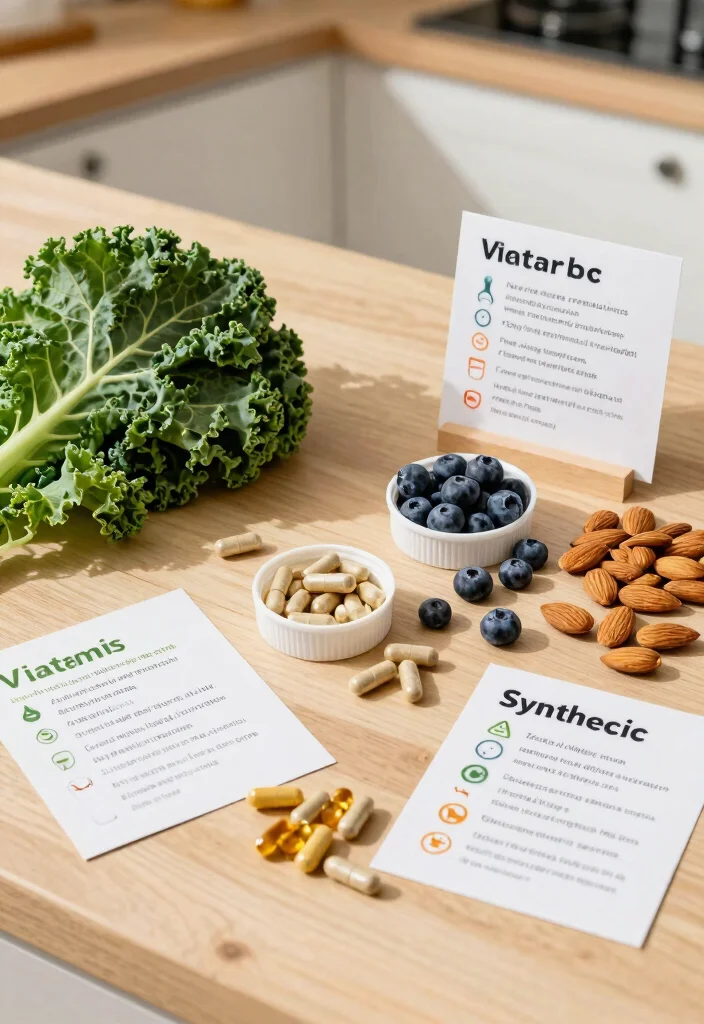
The label ‘natural’ can be quite misleading in the vitamin world. Just because a supplement claims to be ‘natural’ doesn’t automatically make it safer or more effective. Many natural compounds can have side effects or interact negatively with medications. For example, herbal supplements are often favored for their health benefits, but some can cause significant health issues like liver damage.
Additionally, synthetic vitamins can sometimes offer better absorption and cost-effectiveness. It’s crucial for parents to thoroughly check the sources of any supplement, whether natural or synthetic, and to consider the scientific data backing its effectiveness.
Key Points:
– Natural doesn’t always mean safer or better.
– Research the effects of ‘natural’ supplements.
– Be cautious of potential interactions with medications.
– Consult a healthcare provider about any supplements.
– Look for clear evidence supporting claims of natural supplements.
Myth #4: Natural Vitamins Are Always Better
Editor’s Choice



You might also like

Why Vitamin B Complex is Crucial for Fetal Development: A Must-Read for Moms! – MomBlush

20 Best Iron-Rich Baby Foods That Are Super Nutrient-Dense (#15 Will Surprise You!) – MomBlush
Myth #5: All Vitamins Are Safe for Children

Not every vitamin is suitable for kids! Many parents mistakenly believe that since vitamins are good for adults, they must also be safe for children. However, children’s bodies have different needs, and some vitamins, like iron and Vitamin A, can be dangerous in high amounts.
Supplements for kids should be specifically formulated to meet their age and nutritional requirements. It’s also vital to monitor dosages to ensure they stay within recommended limits. Always discuss introducing new supplements with your child’s pediatrician to ensure they’re safe and beneficial.
Key Points:
– Children have specific nutritional needs that differ from adults.
– Excessive intake of certain vitamins can be harmful.
– Always consult a pediatrician regarding children’s supplements.
– Choose children-specific vitamin formulations.
– Monitor your child’s overall diet for balanced nutrition.
Myth #5: All Vitamins Are Safe for Children
Editor’s Choice


Myth #6: You Can Rely on Vitamins Alone for Good Health
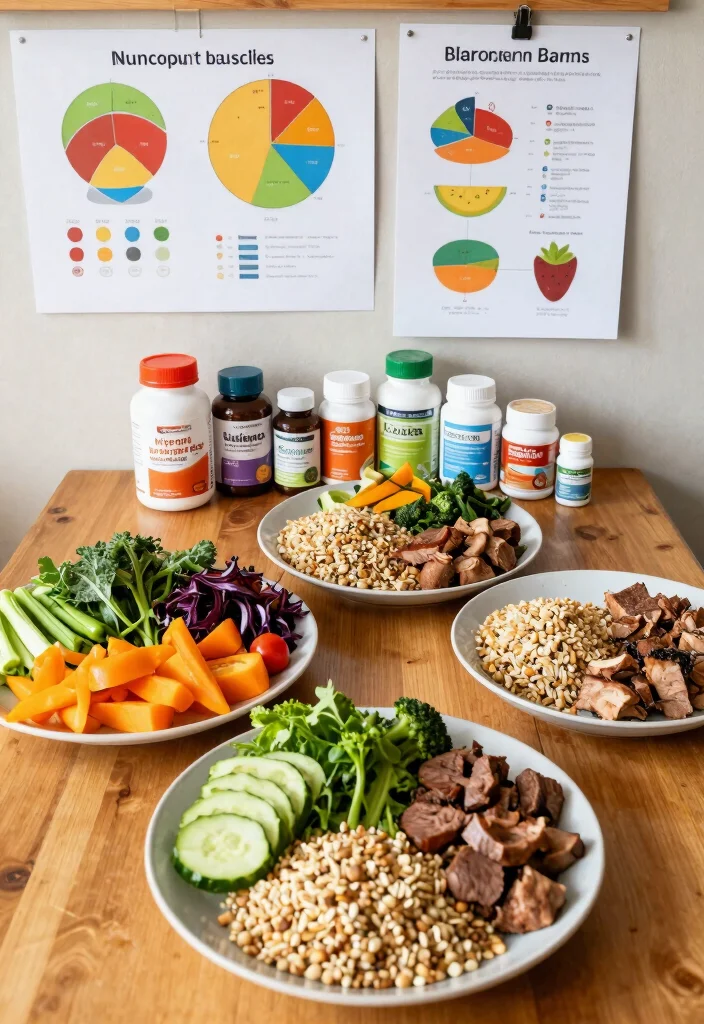
Vitamins should enhance a healthy lifestyle, not replace it! Depending solely on vitamins and supplements to maintain good health can lead to disappointment. True wellness involves a combination of a nutritious diet, regular exercise, proper hydration, and sufficient sleep. While supplements can help fill in gaps, they can’t replace the myriad benefits of whole foods and a balanced lifestyle.
Encouraging good nutrition, physical activity, and rest will create a strong foundation for health. Parents should inspire their children to develop lasting healthy habits rather than relying on quick-fix supplements.
Key Points:
– Good health is about lifestyle, not just vitamins.
– Focus on a holistic approach to wellbeing.
– Encourage healthy habits in children early on for better outcomes.
– Create a balanced meal plan that includes all food groups.
– Make physical activity a fun family routine.
Did you know that up to 70% of true health comes from daily lifestyle, not pills? Whole foods, hydration, sleep, and activity beat supplements every time. Vitamins should supplement, not replace, your healthy routines.
Myth #6: You Can Rely on Vitamins Alone for Goo…
Editor’s Choice




You Might Also Like
How to Safely Increase Your Dry Fruits Intake During Pregnancy (Your Body Will Love You for It!) – MomBlush

10 Easy Digestion Foods for Babies That’ll Make Mealtime a Breeze! – MomBlush
Conclusion

Understanding the truth behind common vitamin myths is essential for making informed decisions about nutrition. By separating fact from fiction, parents can help ensure their families receive the right nutrients to thrive. Remember, a balanced diet combined with a healthy lifestyle is the key to optimal health – vitamins and supplements are just a piece of that puzzle.
Take the time to consult with healthcare professionals about any supplementation, maintaining a thoughtful approach towards nutrition.
Note: We aim to provide accurate product links, but some may occasionally expire or become unavailable. If this happens, please search directly on Amazon for the product or a suitable alternative.
This post contains Amazon affiliate links, meaning we may earn a small commission if you purchase through our links, at no extra cost to you.
Frequently Asked Questions
What are the top vitamin myths busy parents search for, and how can we debunk them quickly?
Busy parents often search for quick vitamin truths. Here are three practical debunkers to start:
1) More vitamins aren’t automatically better—megadoses can be harmful.
2) Supplements aren’t a substitute for a varied, real‑food diet—focus on colorful fruits, vegetables, whole grains, lean proteins, and fortified foods.
3) If your child eats a balanced diet, many kids don’t need daily supplements. When in doubt, consult your pediatrician before giving any supplement and watch dosing carefully. This fits under Nutrition Myths Debunked for parenting and health insights.
Is supplementation ever necessary for kids who eat a balanced diet?
In most cases, no—but there are common exceptions. For example, vitamin D is often needed in northern climates or during winter, iron may be needed for toddlers with picky eating or high cow’s milk intake, and iodine matters if your child doesn’t consume dairy or seafood. Actionable steps: do a simple food-first audit, discuss your child’s diet with a pediatrician to confirm age-appropriate doses, choose reputable child-specific formulations if needed, and monitor growth and energy. Remember, this is part of Nutrition Myths Debunked and health insights for families.
How can parents verify nutrition information and avoid hype about supplements?
Look for evidence, not hype. Start with trusted sources like pediatric associations and peer‑reviewed studies, and beware sensational claims or “miracle” products. Practical checks: compare multiple reputable sources, read labels for age suitability and dosage, and discuss any supplement plan with a clinician. Keeping your approach aligned with Nutrition Myths Debunked helps ensure you focus on real, actionable health insights.
Can believing these myths lead to unsafe dosing or neglect of real food?
Yes, that can happen. Megadosing vitamins like Vitamin A or Vitamin D can cause health problems, and ignoring a balanced plate can leave kids undernourished. Safe steps: never exceed labeled doses, store bottles out of reach, prefer food-first nutrition, and involve your pediatrician when considering any supplement for your child. This topic is a key part of Nutrition Myths Debunked and practical health insights for parents.
How can we talk to kids about vitamins and supplements without creating fear or obsession?
Make it a positive, learning moment. Teach label-reading, involve kids in grocery shopping and cooking, and present vitamins as a helper when truly needed (not a daily habit). Use simple rules like “eat a rainbow,” keep supplements out of sight unless advised, and celebrate healthy meals together. By framing the conversation within Nutrition Myths Debunked and practical health insights, you’ll foster balanced attitudes without panic.
Related Topics
nutrition myths
vitamin facts
health insights
parenting tips
supplement advice
healthy eating
child nutrition
debunked myths
wellness education
family health
easy nutrition tips
misconceptions




This post really opened my eyes to some common myths! I always thought taking vitamin C would keep me from getting sick, but now I see it’s not that simple. What other myths have you come across that surprised you?
I remember when I started taking a ton of vitamins because my friend swore by them. I ended up with a cabinet full of bottles and no real difference! It’s funny how we sometimes follow trends without checking the facts.