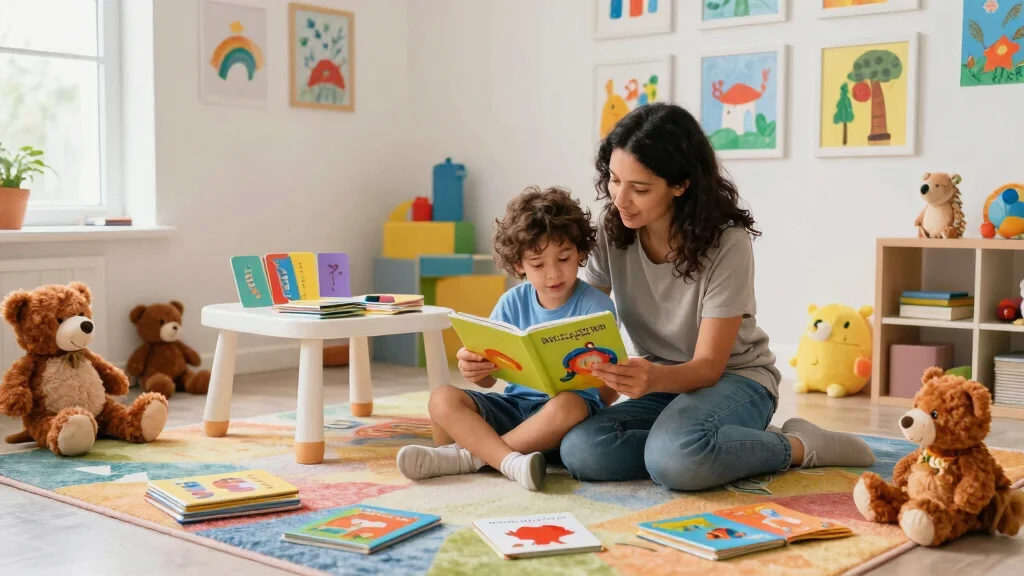

Navigating the world of bilingual parenting can feel overwhelming at times. As a parent, you might be wondering how to foster language skills in your little one while ensuring they thrive in both languages. This post was created to shine a light on the eight important language milestones every bilingual parent should keep in mind. Understanding these milestones can help you support your child’s language journey more effectively.
If you’re a parent raising bilingual kids or are simply interested in bilingual parenting strategies, this post is for you. You’ll learn about the key developmental stages your child will go through, from the exciting babbling phase to embracing their unique identity. Each milestone is a step in your child’s communication skills and cultural understanding, and it’s important to celebrate those moments together.
By reading through this guide, you’ll gain valuable insights into what to expect at each stage of language development. You’ll discover strategies to nurture these skills, ensuring your child feels confident in both languages. Plus, some insights might surprise you—especially Tip #3! Let’s dive in and explore these milestones together.
Key Takeaways
– Understanding the babbling stage is crucial as it lays the foundation for language acquisition, signaling that your child is experimenting with sounds.
– First words typically emerge around the age of one, giving you a chance to celebrate these early communication efforts and encourage further vocabulary growth.
– When kids start combining words, it indicates they’re grasping grammar and beginning to express more complex ideas. This is a key moment for boosting their confidence.
– Developing conversational skills involves both speaking and listening, which means engaging your child in dialogue to reinforce their understanding of turn-taking and context.
– As children grow and learn storytelling, they not only enhance their language skills but also connect culturally, allowing them to embrace their bilingual identity with pride.
Milestone 1: The Babbling Stage
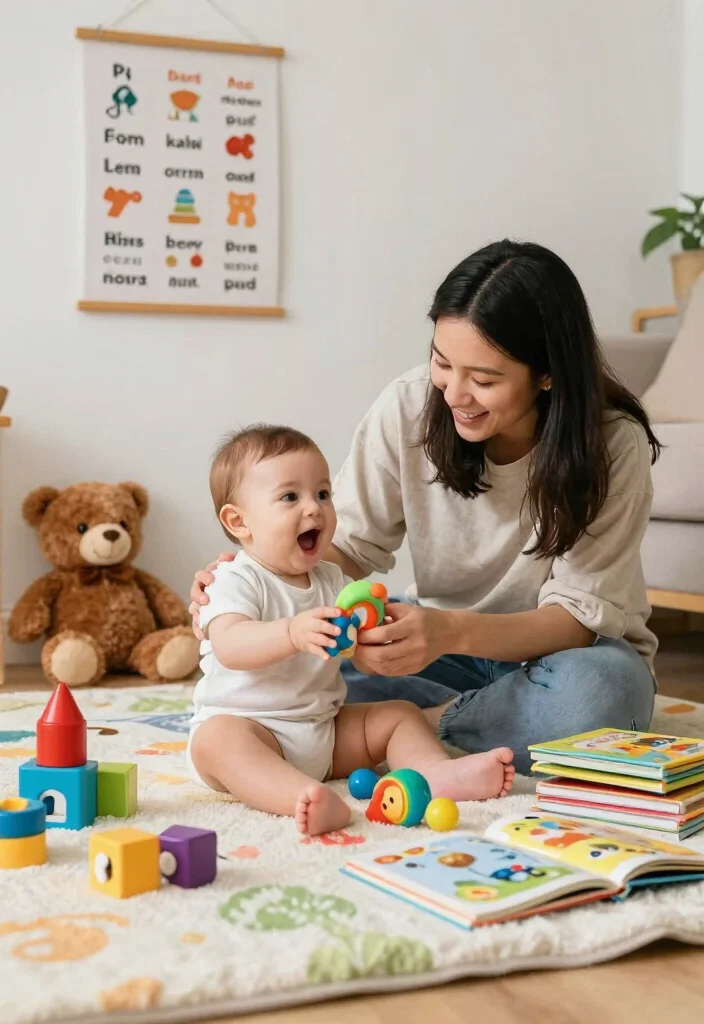
Every journey begins with a delightful babble, and for bilingual kids, this phase is crucial! Starting around 6 months, your baby will play with sounds, mixing syllables and trying to mimic words from both languages. This babbling isn’t just cute; it’s their way of exploring speech patterns and rhythms.
To support this exciting stage, encourage vocal play by singing songs and talking to them in both languages. Let them experiment with sound-making toys, which can turn this learning into a fun activity.
Key activities to encourage babbling:
– Talk often in both languages to expose them to sounds.
– Use expressive tones and playful gestures.
– Introduce colorful toys that make noise.
– Read aloud to enhance their sound recognition.
By celebrating their babbling, you’re laying the groundwork for their future language skills. Each sound they make is a step toward effective communication.
Fun fact: by six months, bilingual babies often babble in playful syllable games, mixing sounds from both languages. This vocal play builds a strong foundation for later words. In Bilingual Parenting Strategies, regular singing and talking in both languages makes this stage joyful and effective.
Milestone 2: First Words
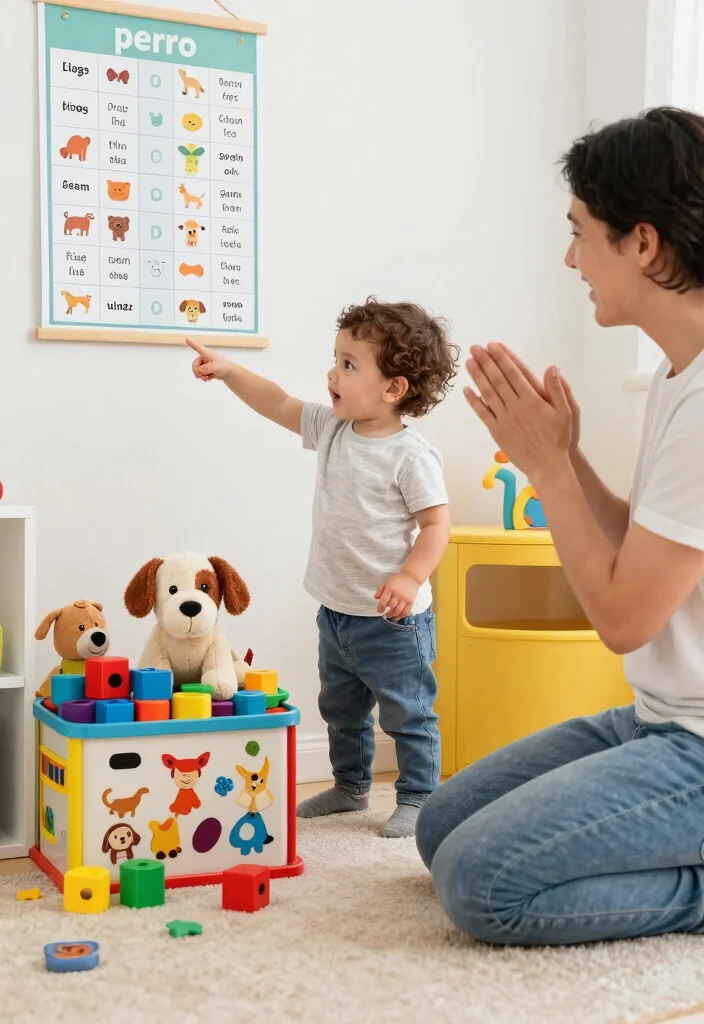
Get ready for that magical moment when your child utters their first words, typically around their first birthday! This exciting time marks the beginning of meaningful language use, often starting with ‘mama’ or ‘dada’ before branching out into words from both languages.
Celebrate each new word as a milestone in their development! Create a rich language environment by labeling items around the house in both languages and using these words in context.
Helpful steps for this milestone:
– Repeat new words to reinforce learning.
– Make a word chart with common items in both languages.
– Sing songs that mix both languages.
– Use gestures to help convey meaning.
Every new word is a building block for their communication skills, setting the stage for their growing vocabulary.
Milestones arrive in tiny steps: celebrate each first word—starting with ‘mama’ or ‘dada’—and let bilingual labels spark daily conversation. With simple, hands-on practice in your home, you’re shaping your Bilingual Parenting Strategies into real language moments.
Milestone 2: First Words
Editor’s Choice




How To Choose Bilingual Parenting Strategies
Choosing the right bilingual parenting strategies can significantly impact your child’s language development. Understanding your options ensures you provide a rich language environment for your bilingual kids. Here are essential factors to consider:
1. Language Exposure
Think about how much exposure your child will have to each language. Consistency is key. If you primarily speak one language at home, make sure to balance it with opportunities to use the second language outside. This can include playdates, community events, or media in the second language. The more environments your child hears and uses both languages, the better they will adapt.
2. Developmental Stages
Recognize that children pass through different developmental stages in language acquisition. From babbling to forming sentences, each child’s journey is unique. Familiarize yourself with these stages to set realistic expectations for your bilingual kids. Research shows that some children may initially prefer one language over the other but will eventually balance out. Understanding these stages helps you support your child effectively.
3. Cultural Context
Consider the cultural contexts of both languages. Language is not just about words; it’s tied to cultural identity. Encourage your child to engage with both cultures through stories, traditions, and festivals. This helps them appreciate their bilingual identity. You can even incorporate cultural lessons into your daily conversations, making language learning fun and meaningful.
4. Educational Resources
Choose educational materials that support bilingual learning. Look for books, apps, or games specifically designed for bilingual kids. These resources should encourage interaction in both languages. Libraries often have bilingual sections, and online platforms offer great tools that can make language learning enjoyable. Make sure the materials are age-appropriate and align with your child’s interests.
5. Family Involvement
Involve the whole family in the bilingual experience. Make it a group activity, whether it’s reading together or attending events that celebrate both languages. By creating a supportive environment, children feel more motivated to use both languages. Family participation also reinforces the idea that being bilingual is a valued skill.
6. Consistency and Routine
Establish a routine that includes both languages. Whether it’s designated days for each language or specific times during the day, consistency helps. For example, you could use one language at breakfast and the other at dinner. A routine gives children a sense of security and helps them learn when to use each language.
Pro Tip: Keep language learning playful! Incorporate songs, games, and storytelling into your daily routine. This makes language practice enjoyable and less pressured for your child. They’ll be more likely to embrace both languages if they associate them with fun experiences.
By considering these factors, you can choose effective bilingual parenting strategies that support your child’s language development and cultural identity. With the right approach, your bilingual kids will thrive in both languages, paving the way for a brighter future.
Milestone 3: Combining Words
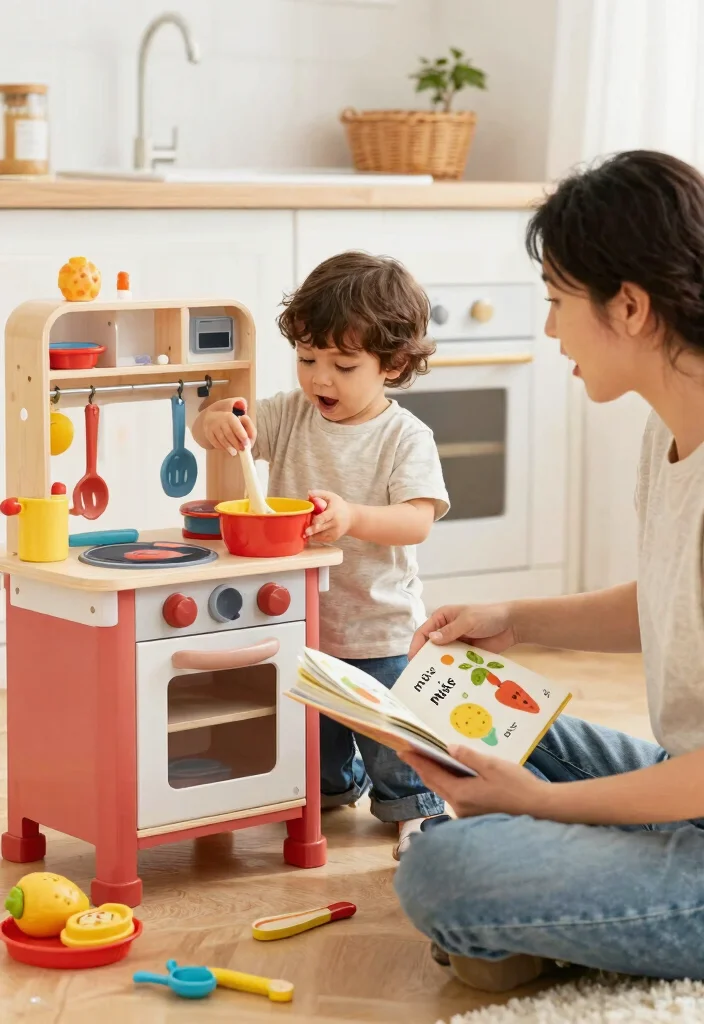
Around two years old, you may notice your bilingual child starting to combine words into short phrases, marking an exciting milestone! Watching them string together two or more words is thrilling, even if they creatively mix languages.
Encourage this development by modeling simple sentences during daily activities. Use phrases like ‘more juice’ or ‘mommy help’ in both languages. Toys that inspire imaginative play can also motivate them to express themselves verbally.
Ways to foster word combinations:
– Engage in pretend play and model sentences.
– Ask open-ended questions to encourage conversation.
– Celebrate their creative language use, even if it mixes languages.
– Provide bilingual books with simple phrases.
By nurturing their ability to combine words, you’re enhancing their cognitive growth and language skills.
Milestone 3: Combining Words
Editor’s Choice


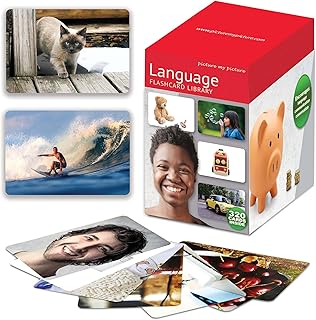

📹 Related Video: HOW TO TEACH A CHILD TO SAY PHRASES: At Home Speech Therapy Activities: Late Talkers Combining Words
Milestone 4: Sentence Formation
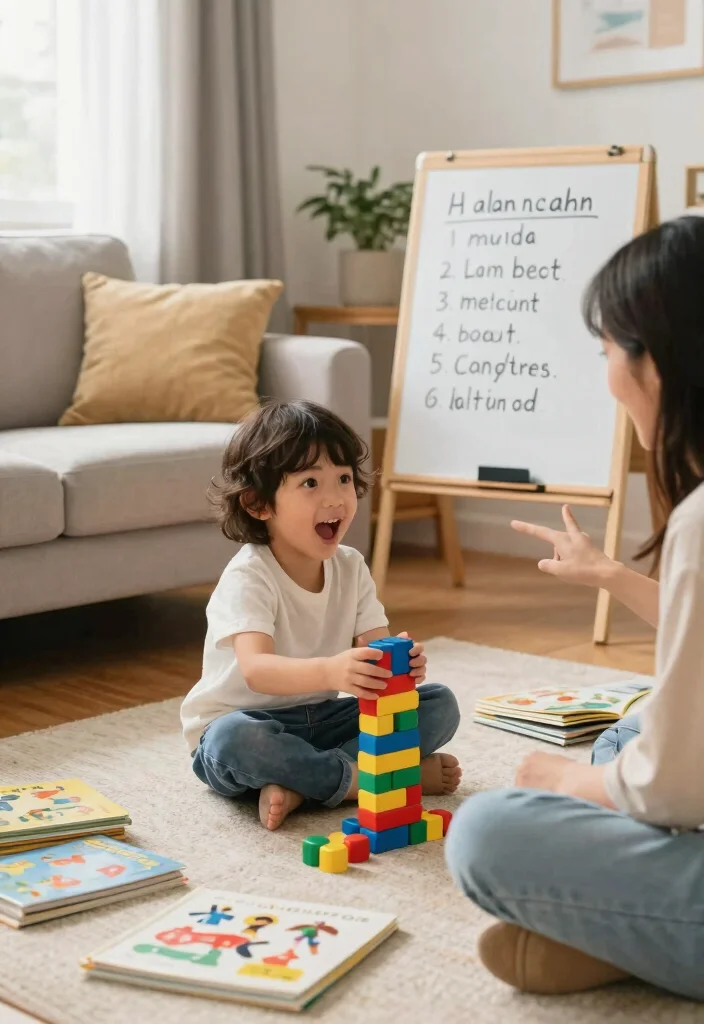
As your child nears three years old, expect them to start forming simple sentences, a significant leap in their bilingual journey! You’ll hear them expressing thoughts and desires, showcasing their expanding vocabulary.
Encourage them by providing opportunities to articulate their ideas in both languages. Ask questions that invite longer responses and introduce new vocabulary in context.
Tips for nurturing this milestone:
– Share stories with repetitive sentence patterns.
– Create daily routines that involve both languages.
– Use songs that encourage sentence structure.
– Introduce language games focused on sentence construction.
Supporting their sentence formation helps them communicate more effectively, building confidence in their language abilities.
You might also like

16 Interactive Gifts for Babies Under 1 That Keep Little Ones Engaged (Wait Until You See #7!) – MomBlush
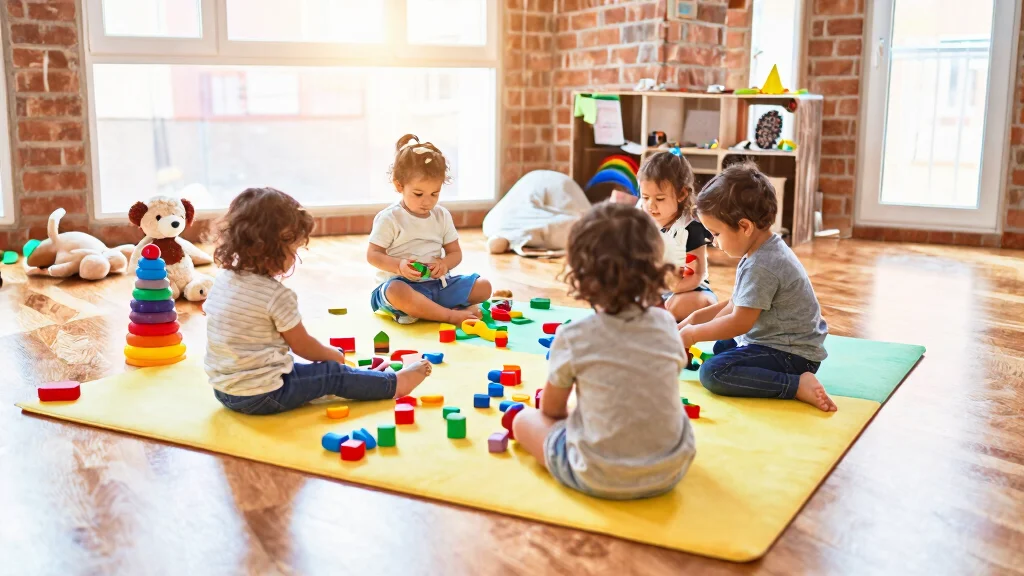
22 Interactive Toys for Toddlers That Will Keep Them Engaged and Learning! – MomBlush
Milestone 5: Conversational Skills
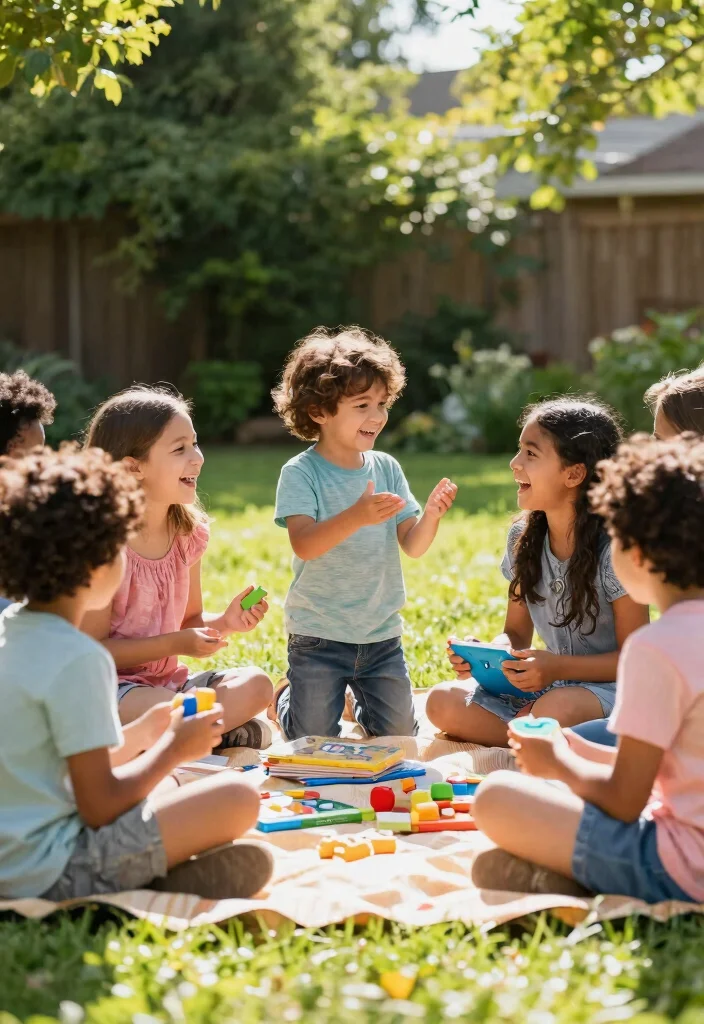
By age four, your child will likely engage in short conversations, revealing their growing confidence in both languages. They will start initiating dialogues, asking questions, and sharing stories, making this an enjoyable phase of their bilingual development.
To boost their conversational skills, create chances for them to interact with peers in both languages. Encourage them to share experiences and role-play scenarios that foster extended interactions.
Helpful suggestions include:
– Arrange playdates with peers who speak both languages.
– Use prompts to help them express thoughts.
– Share stories that encourage discussion.
– Invite them to express feelings in both languages.
Fostering their conversational skills helps build their confidence and enhances their ability to connect with others.
Fun fact: By age four, many kids in bilingual households sustain short conversations in both languages, boosting confidence in bilingual parenting strategies. Try daily 5-minute peer chats and 2 role-plays to sharpen conversational skills and turn talk into lasting successes.
Milestone 5: Conversational Skills
Editor’s Choice


Milestone 6: Storytelling
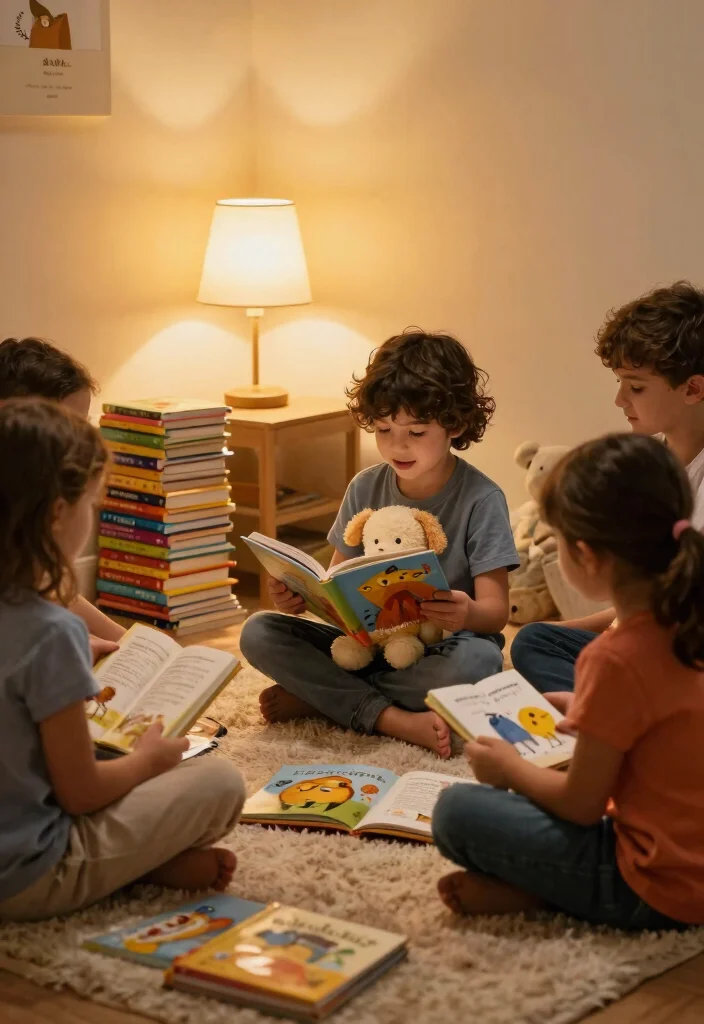
At around five years old, your child may begin to embrace storytelling, weaving their experiences into narratives. This milestone highlights their ability to structure thoughts and share ideas in both languages.
Support their storytelling by reading together often and discussing the tales. Encourage them to recount their favorite stories while using both languages. You might also play storytelling games to spark their creativity.
To nurture their storytelling skills:
– Introduce diverse literature that showcases various techniques.
– Ask questions to help them elaborate on their stories.
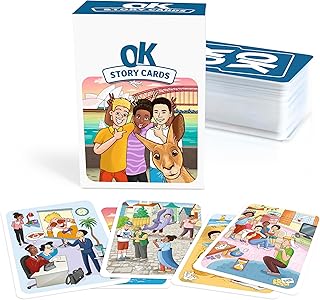
– Use visual aids to assist in narrative structure.
– Encourage them to illustrate their tales for added creativity.
Celebrating their storytelling boosts their confidence and enriches their vocabulary.
Milestone 6: Storytelling
Editor’s Choice



Milestone 7: Understanding Different Contexts
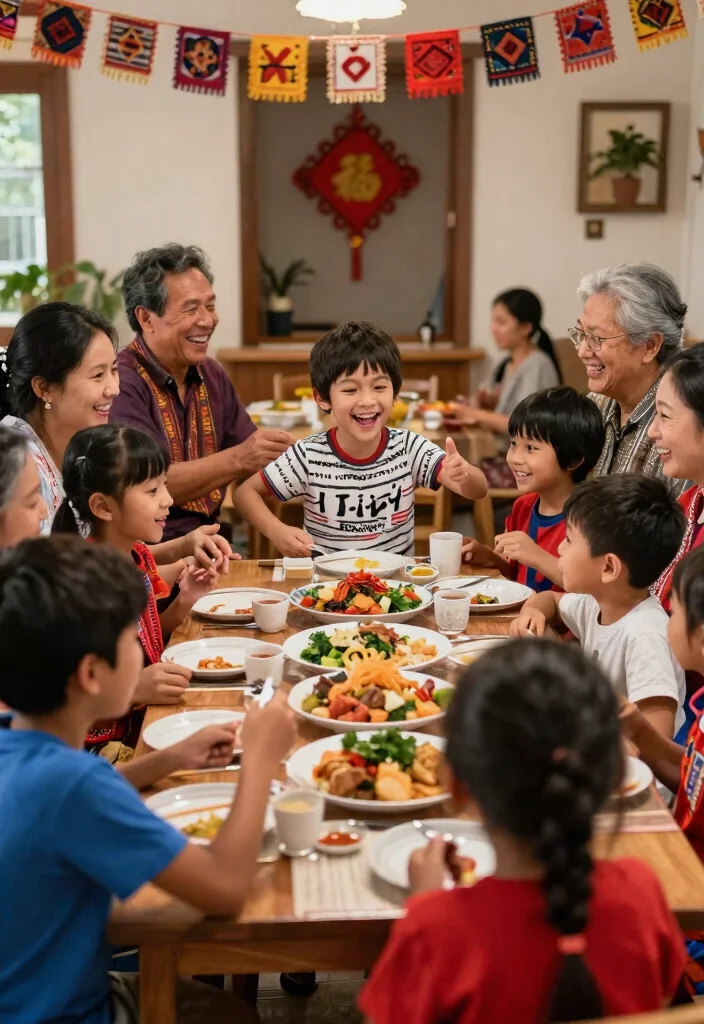
As bilingual children grow closer to ages five to six, they begin to grasp when to use different languages based on their surroundings. This skill shows their cognitive flexibility as they navigate language use in various contexts.
Encourage this understanding by engaging in activities that promote language switching, like dual-language games or themed storytelling sessions. Expose them to environments where each language is spoken to help them adapt naturally.
Ways to promote contextual understanding:
– Create immersive experiences in both languages, such as cultural events.
– Use bilingual media to illustrate language context.
– Role-play scenarios to practice switching languages.
– Discuss family traditions in both languages to reinforce context.
Supporting their ability to switch languages fosters their adaptability and strengthens their bilingual skills.
You Might Also Like
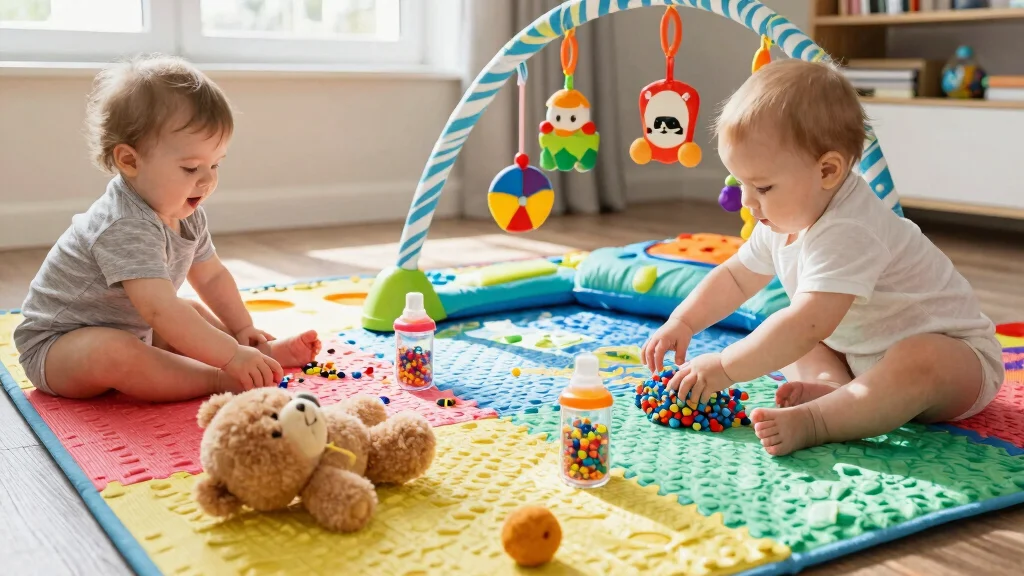
12 Sensory Play Activities Every Baby Will Love (Prepare for Giggles at #5!) – MomBlush
Milestone 8: Embracing their Identity
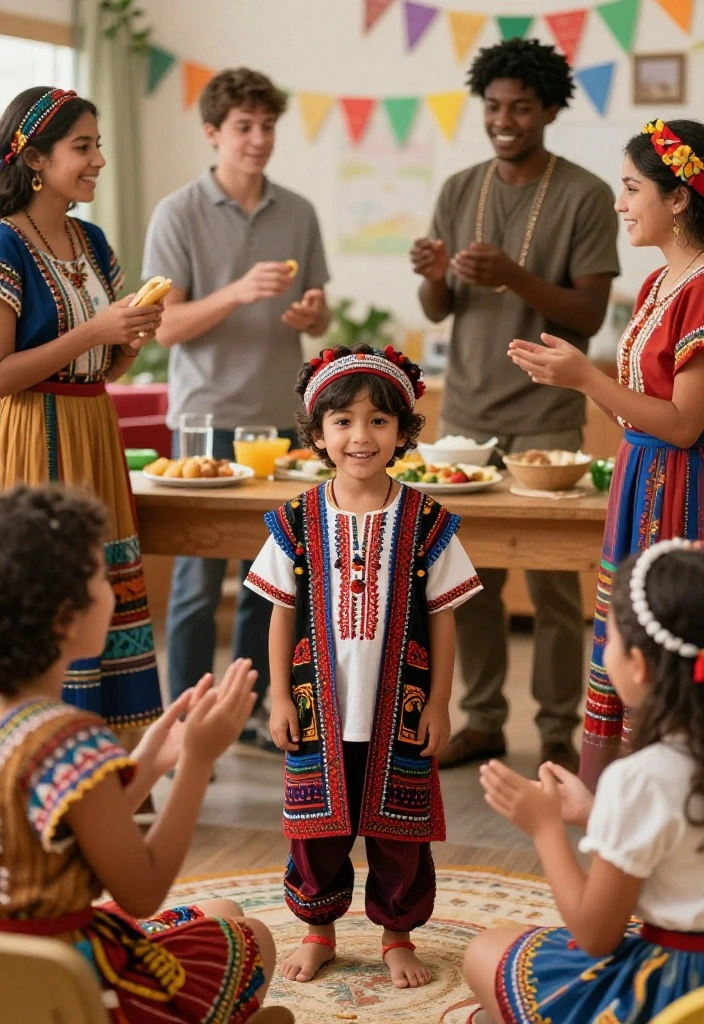
As your bilingual child approaches school age, they begin to embrace their bilingual identity, celebrating the richness of their language journey. They start to appreciate the cultural significance of both languages and gain confidence in their unique background.
Support their identity development by introducing them to cultural events, music, and stories from both languages. Help them connect with peers who share similar experiences, fostering a sense of belonging.
To nurture their bilingual identity:
– Engage in cultural activities that highlight both languages.
– Use bilingual resources to showcase the beauty of each language.
– Create spaces for exploring their heritage through crafts.
– Discuss cultural experiences to promote understanding.
Encouraging their identity helps instill pride in their bilingual abilities, shaping their confidence for years to come.
Milestone 8: Embracing their Identity
Editor’s Choice


Conclusion
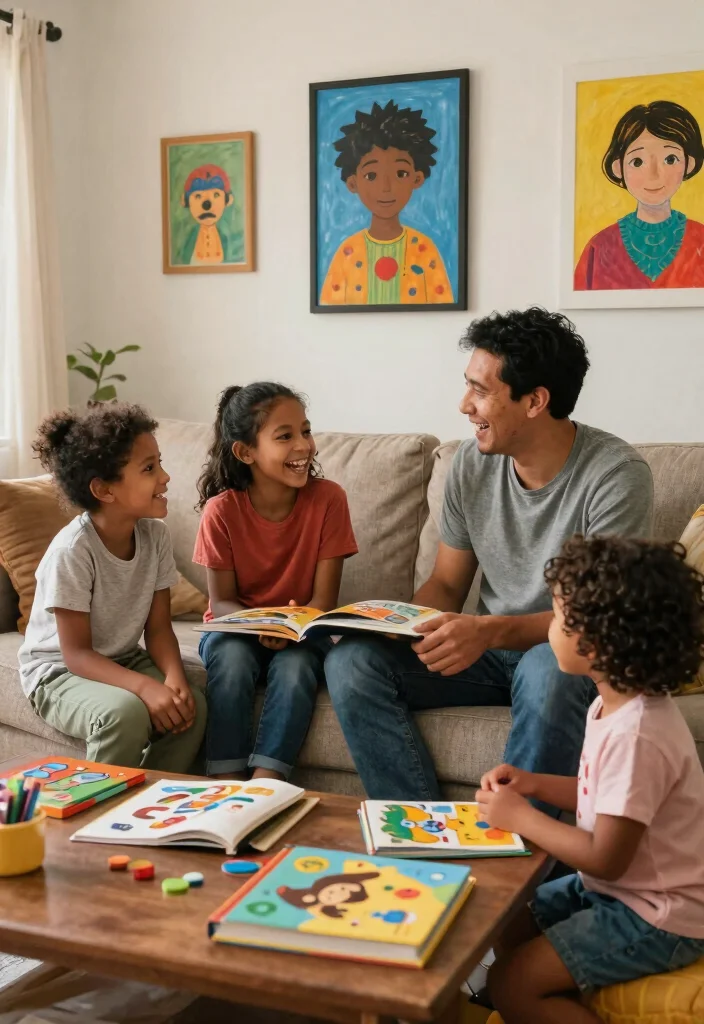
Understanding these eight milestones is essential for every bilingual parent. Each stage offers a unique opportunity to engage with your child and nurture their language development in both languages. By providing love, patience, and support, you help them thrive in their bilingual journey.
Celebrate these milestones together, creating lasting memories filled with laughter and learning!
Note: We aim to provide accurate product links, but some may occasionally expire or become unavailable. If this happens, please search directly on Amazon for the product or a suitable alternative.
This post contains Amazon affiliate links, meaning we may earn a small commission if you purchase through our links, at no extra cost to you.
Frequently Asked Questions
What are the key language milestones for bilingual kids and when do they typically appear?
Bilingual kids generally reach many of the same language milestones as their monolingual peers, but in two languages. Look for growing vocabularies in both languages, the ability to follow simple instructions, and the use of two-word phrases that gradually turn into longer sentences. Timelines vary widely—some kids show progress in one language sooner and catch up in the other over time. Tip: track progress across both languages and celebrate every win as part of your bilingual parenting strategies for bilingual kids.
What practical bilingual parenting strategies can help my child hit these milestones?
Try these actionable steps: establish daily exposure to both languages in meaningful contexts; use one language per caregiver or plan consistent language use at home; read books in both languages and narrate daily activities; respond to your child in the language they’re using and model back-language clearly; engage in play, songs, and conversations that build vocabulary in both languages; celebrate small wins in each language and avoid pressuring perfection. Consistency and positive routines are at the heart of effective bilingual parenting strategies for bilingual kids.
How do developmental stages affect bilingual language development, and what should I expect at different ages?
Developmental stages shape how quickly kids pick up language. In toddlers, expect single words and quick jumps to two-word phrases; in preschool years, longer sentences and basic grammar emerge in both languages; by early school age, kids often read and write a bit in each language and may mix languages as they switch contexts. Variability is normal, so stay patient, provide rich input in both languages, and keep play-based, language-rich activities front and center as part of your developmental stages approach to bilingual growth.
Should I use one language with each parent or mix languages at home for bilingual kids, and does it affect milestone timing?
Many families find success with strategies like one person–one language or a consistent home-language plan, but mixing languages at home can also work if it fits your routine. The key is consistency, natural use in everyday contexts, and avoiding pressure or confusion. Experiment with a plan that suits your family’s rhythm, ensure rich exposure in both languages, and adjust as your child’s needs evolve. This flexible approach supports bilingual parenting strategies and helps bilingual kids progress without stress.
How can I tell if my child’s bilingual development is on track, and when should I seek professional help?
Look for steady progress: growing comprehension in both languages, expanding expressive vocabulary, and confident participation in conversations. If you notice persistent delays across both languages, regression, or concerns about hearing or overall development, consider consulting a pediatrician or a speech-language pathologist. Collect speech samples, note milestones, and discuss concerns early—proactive steps are a core part of healthy bilingual parenting strategies for bilingual kids.
Related Topics
bilingual parenting
language development
raising bilingual kids
parenting strategies
developmental milestones
multilingual families
early language skills
bilingual education
language acquisition
surprising tips
child development
easy parenting tips